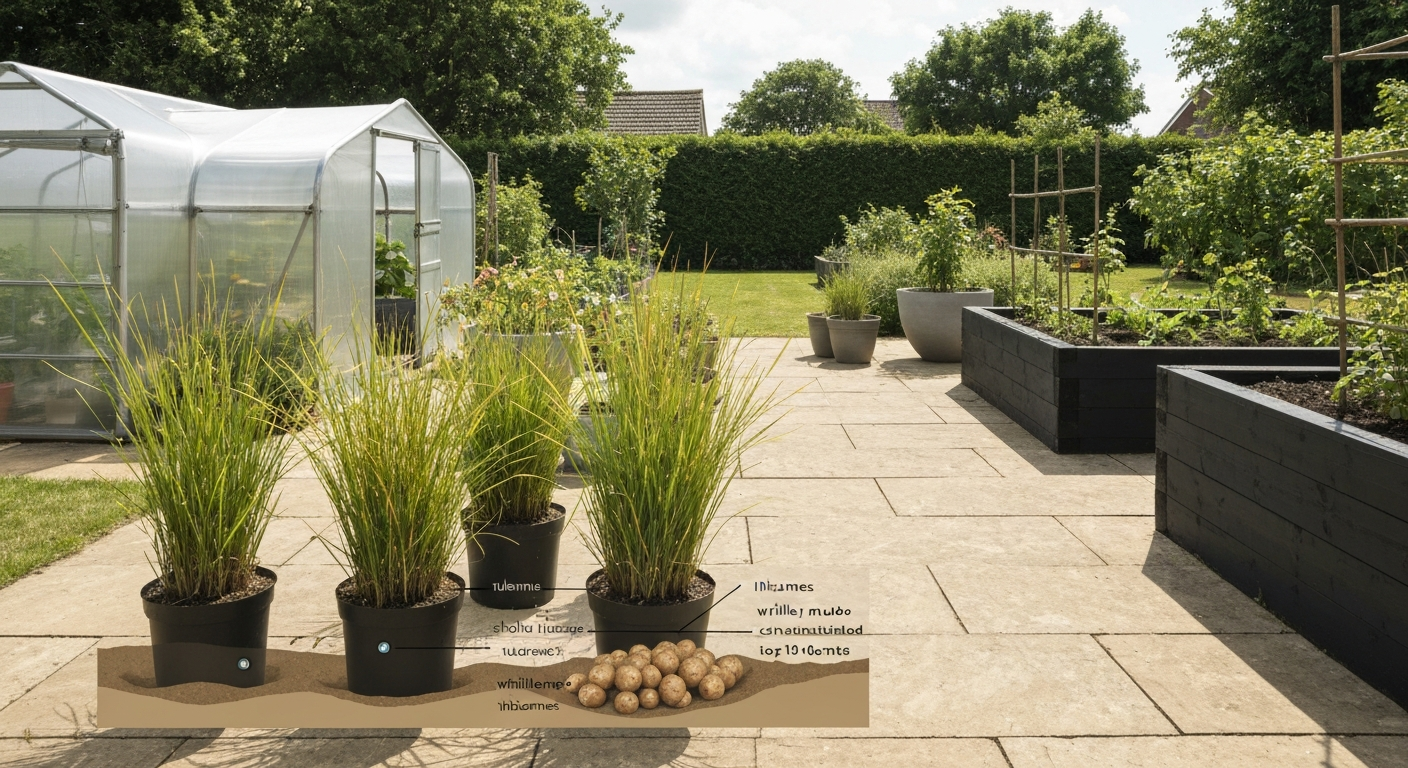
The UK can grow an enormous range of plants, from everyday vegetables and classic cottage garden flowers to surprisingly exotic species with the right protection. If you want a shorter list, look for plants that will grow anywhere UK, then adapt them using drainage and shelter where needed. If you're in England, you're working with one of the more forgiving climates in the UK: milder winters than Scotland, better summer warmth than northern regions, and enough rainfall that most plants don't dry out mid-season. The honest answer to 'what can I grow?' is: a lot. But the smarter question is what can you grow reliably, in your spot, right now, without heroic effort.
What Plants Grow in the UK Best Picks by Season
James Hartwell
22 Apr 2026
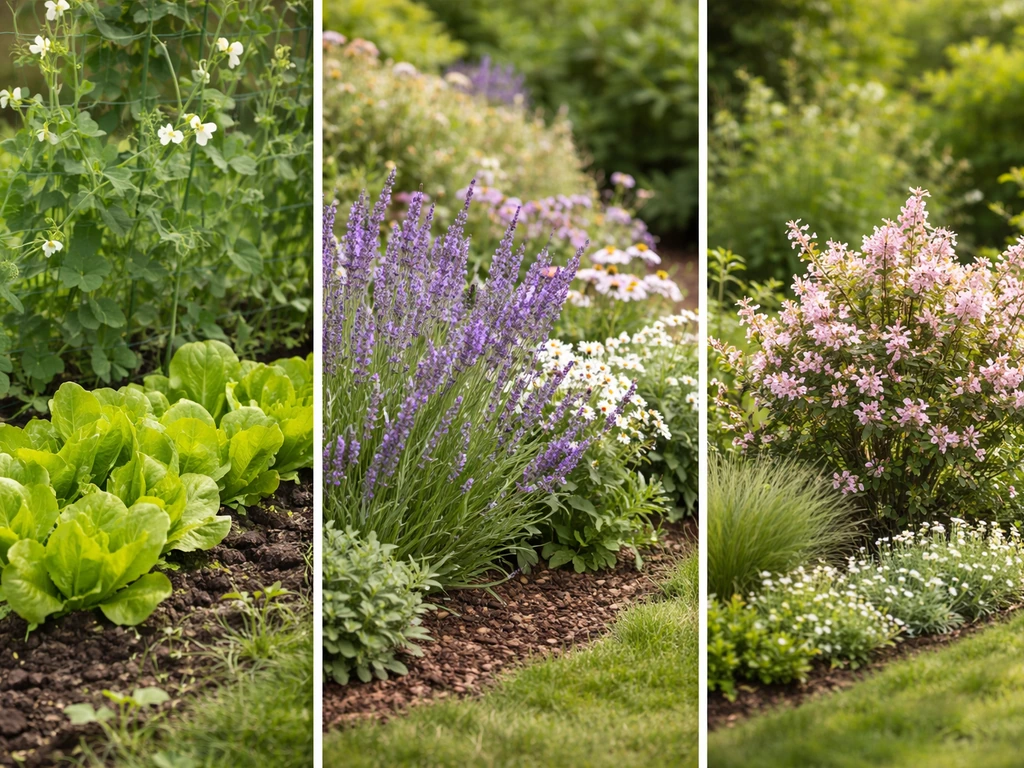
UK vs England growing reality: what actually makes a plant 'growable'
The UK has a maritime climate, which means mild, wet winters and cool, often overcast summers. That sounds limiting, but it's actually brilliant for a huge range of plants. The catch is that success depends on far more than just temperature. The RHS uses its own hardiness rating system (H1a to H7) rather than the American USDA zone system, precisely because UK conditions don't map neatly onto US zones. Here, winter wet and wind kill plants that would technically survive the minimum temperature. A plant rated H5 (hardy down to -15°C) can still rot and die in a waterlogged bed over a wet UK winter. That's not a temperature failure, it's a drainage failure.
England is a useful baseline because it covers a huge range of microclimates within a relatively small area. The South Coast around Cornwall and Devon is almost frost-free in most years and can support plants that would die in Yorkshire. The North East of England, where last-safe planting dates for tender crops can push into early June, feels like a different country compared to Kent in late spring. Scotland, Wales, and Northern Ireland each add more variation on top of that. So when you ask 'what grows in the UK?', the real answer always starts with: where in the UK, and what's your specific spot like?
The three biggest success factors the RHS consistently points to are: winter wet drainage, wind exposure, and spring frost timing. Get those right and your hardiness rating does the rest of the work. A sheltered, well-drained, south-facing bed in the Midlands can grow things that a boggy, north-facing plot in the same town simply cannot. That's your microclimate at work, and it matters more than most gardeners realise when they're starting out.
The easiest plants for UK and England gardens: a quick shortlist
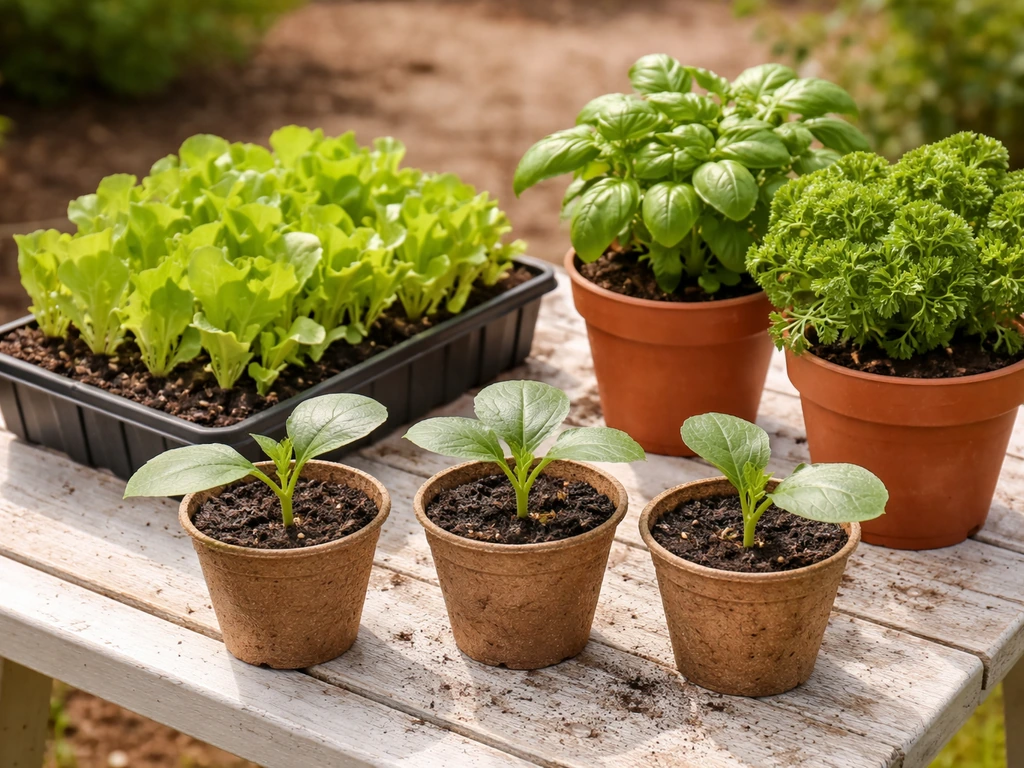
If you want reliable results without a lot of faff, start here. These are the plants that genuinely thrive in British conditions, suit a wide range of soils and exposures, and give you something worthwhile in return.
- Courgettes: fast-growing, heavy croppers, love the UK's cool summers and don't need much heat once established
- Runner beans: a British garden staple for good reason, incredibly productive and easy to train up canes
- Potatoes: tolerant of cooler soils and variable weather, can be grown almost anywhere in the UK
- Kale and chard: both genuinely cold-hardy, will shrug off most UK winters and crop for months
- Raspberries: love a sunny UK summer without needing intense heat, crop reliably for years once established
- Eating apples on dwarfing rootstock: well-trialled AGM varieties suited to British conditions are virtually bomb-proof with basic care
- Lavender: thrives in the drier, sunnier parts of England and is borderline indestructible on free-draining soil
- Hardy geraniums (cranesbills): tough perennials that work across the UK, great ground cover, minimal maintenance
- Foxgloves: native to the UK, self-seed freely, look spectacular, and need almost nothing from you
- Hydrangeas: dependable shrubs that handle UK rainfall beautifully and give reliable summer colour
What to grow right now: season by season
Since it's April 2026, you're right in the middle of spring, which is the busiest and most exciting time in the UK garden. Here's a full seasonal breakdown so you know what to be doing at each point of the year.
Spring (March to May): the main event
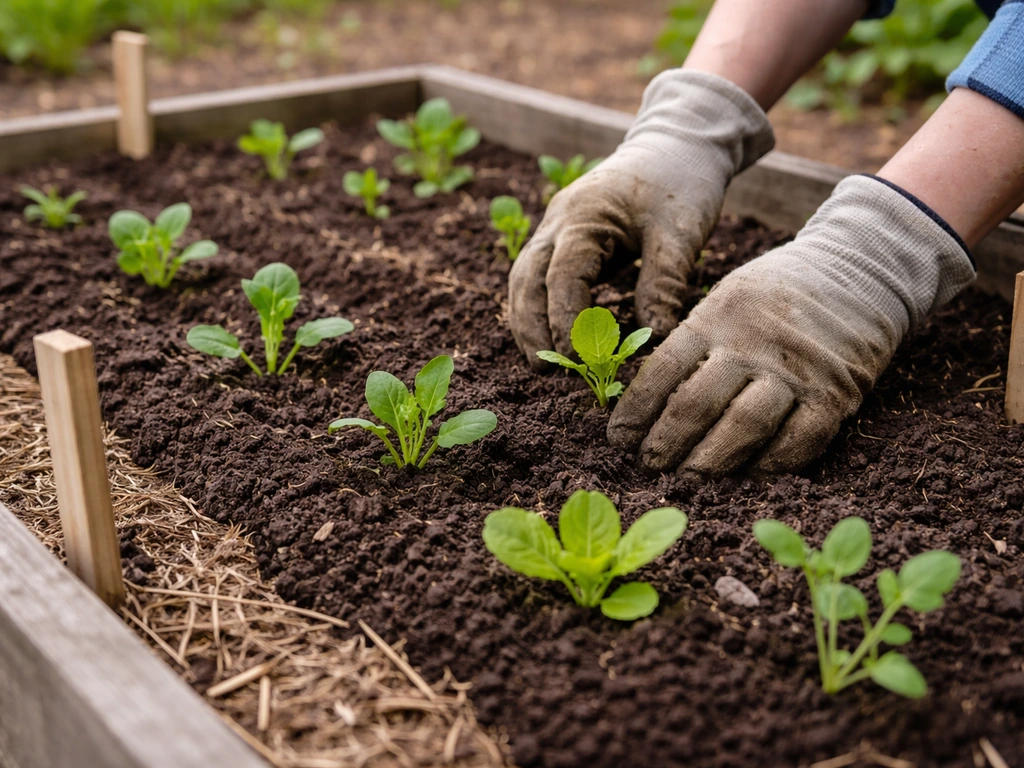
Right now, in late April, you can be sowing or planting a wide range of crops outdoors in most of England. Hardy vegetables like lettuce, spinach, beetroot, carrots, peas, and broad beans are all fine to go direct into the ground. Tender crops like courgettes, French beans, squash, and sweetcorn need to wait until after your last frost date, which in most of southern England falls between mid-April and mid-May, but pushes to early June in the North East and parts of Scotland. If you've started these indoors, harden them off before planting out. Potatoes can go in now across most of England if the soil isn't frozen solid.
For flowers, spring is prime time for planting summer bulbs (dahlias, gladioli), direct-sowing hardy annuals like cornflowers and nigella, and getting perennials established before the summer heat arrives. Trees and shrubs planted now will have all summer to put down roots before their first winter.
Summer (June to August): harvest and succession
Summer in the UK is rarely hot enough to stress most plants, which is actually an advantage. Once frosts are done, you can plant out everything tender with confidence. Keep sowing salad crops, radishes, and fast-maturing beans every few weeks for a continuous harvest. Tomatoes, cucumbers, and peppers will be going strong if you're growing under glass or in a polytunnel. Outdoors, tomatoes can work in sheltered spots in the South, but expect more reliable results under cover anywhere north of the Midlands.
Autumn (September to November): extend, clear, and plant ahead
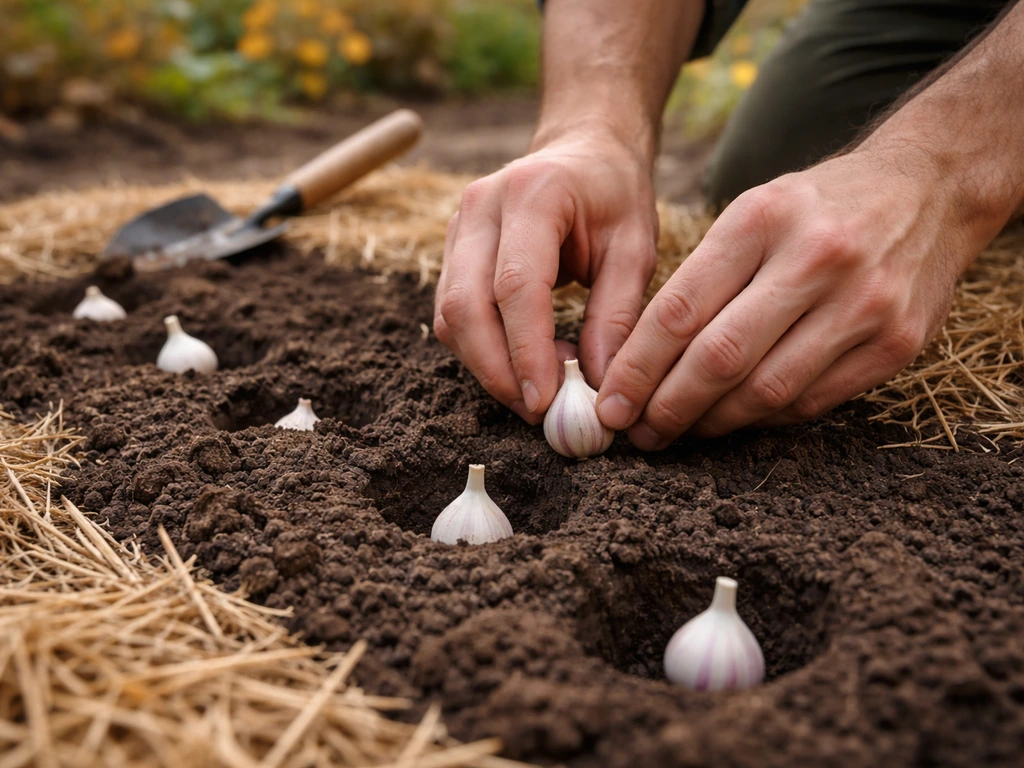
Autumn is an underrated season in UK gardens. Hardy brassicas like kale, Brussels sprouts, and winter cabbage are hitting their stride. Plant garlic from October onwards and it will overwinter and be ready to harvest next July. Strawberry runners go in between July and mid-September for crops next summer. Spring bulbs (tulips, daffodils, alliums) go in from September through November. Hardy trees and shrubs planted in autumn root beautifully over winter in the UK's mild, moist conditions.
Winter (December to February): plan, protect, and grow under cover
Outdoors growing slows right down, but it doesn't stop. Kale, leeks, parsnips, and hardy salads like lamb's lettuce and winter purslane will keep cropping. Overwintered broad beans sown in November are already ahead of spring-sown ones by February. In a greenhouse or cold frame, you can sow early tomatoes, peppers, and aubergines from late January onwards to get a head start. It's also the time to protect any slightly tender plants with fleece, mulch, or by moving containers into shelter.
Vegetables and herbs that reliably succeed outdoors in the UK
The UK climate suits a broad range of vegetables, particularly brassicas, root crops, and legumes. These are the workhorses of British kitchen gardens, and for good reason: they've been grown here for centuries and are well-matched to cool temperatures, reliable rainfall, and long summer daylight.
| Vegetable/Herb | Best UK conditions | Key tip |
|---|---|---|
| Potatoes | Most UK soils, cool spring temps | Earth up as they grow to protect from frost and increase yield |
| Kale | Any UK region, tolerates cold, wet, and wind | Harvest outer leaves to keep the plant cropping all winter |
| Runner beans | Sunny, sheltered spot after last frost | Support with canes, keep well-watered at the root |
| Peas | Cool conditions, early spring or autumn sow | Sow direct, provide twiggy support, harvest regularly |
| Beetroot | Most soils, full sun preferred | Can be sown successionally from April to July |
| Courgettes | Rich soil, sunny spot, after last frost | One or two plants is usually enough per family |
| Carrots | Sandy, stone-free soil; avoid heavy clay | Thin early and water consistently to avoid splitting |
| Salad leaves | Almost any spot, even containers | Cut-and-come-again approach extends the harvest |
| Leeks | Rich soil, UK's cool damp climate suits them perfectly | Plant out transplants in summer for winter harvest |
| Mint | Moist soil, partial shade fine | Grow in a container to stop it taking over |
| Chives | Most UK conditions, very unfussy | Cut back after flowering to encourage fresh growth |
| Parsley | Rich, moist soil; sheltered spot | Slow to germinate, but tough once established |
| Rosemary | Free-draining soil, full sun, milder UK regions | Struggles in very cold, wet Scottish winters |
| Thyme | Poor, well-drained soil, sunny spot | One of the most UK-garden-friendly herbs there is |
Herbs deserve a special mention because they're often overlooked as 'easy wins' for new growers. Mediterranean herbs like rosemary and thyme do need decent drainage and sun, and they'll struggle in heavy clay or permanently wet ground, but in a raised bed or container with gritty compost they're some of the most reliable plants you can grow in England. Mint, chives, and parsley are almost foolproof across the whole UK.
Fruit: what works across the UK, including cooler spots
Top fruit (apples, pears) and soft fruit (raspberries, currants, gooseberries, strawberries) are generally very hardy and well-suited to UK conditions. The main vulnerability isn't winter cold: it's spring frost hitting the blossom once the plant wakes up and starts growing. A late frost in April or May can strip a year's fruit crop in a single night. That's why sheltered sites and good air drainage (cold air flows downhill, so avoid frost pockets at the bottom of a slope) matter so much for fruit.
Apples and pears
Apples are one of the most reliable fruit crops you can grow in the UK. Choose varieties with an RHS Award of Garden Merit, as these have been trialled and proven to perform in British conditions. Apples are grafted onto rootstocks that control their final size: M27 and M9 for small trees in containers or tight spaces, MM106 for a standard garden tree. Most apple varieties need a pollination partner nearby, so check compatibility when you buy. Pears are slightly more demanding of warmth and shelter, but dessert pears like 'Conference' and 'Concorde' are reliable even in northern England.
Soft fruit
Raspberries are among the best crops you can grow in a UK garden. They don't need intense summer heat, they love the British climate, and once established they crop reliably for years. Plant in a sunny spot and give the canes proper support. Blackcurrants and gooseberries are similarly well-suited and incredibly productive. Strawberries planted between July and mid-September will give you a strong crop the following summer, and perpetual varieties can fruit from July right through to October, with even earlier crops possible under cover.
Fruit in cooler UK spots
If you're gardening in Scotland, Northern Ireland, or colder parts of Northern England, stick to cooking apples rather than dessert varieties (they need less heat to develop good flavour), hardy cane fruit like raspberries and blackcurrants, and avoid peaches and nectarines outdoors (they need wall training and a sheltered south-facing aspect even in the South). Figs can be grown in very sheltered spots in the South of England, but are a stretch further north without a greenhouse.
Flowers, perennials, shrubs, and trees for British conditions
The UK's cool, moist climate is genuinely world-class for flowering plants. British gardens have a global reputation for good reason: the conditions that frustrate vegetable growers (overcast skies, regular rain, mild temperatures) are exactly what roses, clematis, delphiniums, and dahlias love.
Hardy perennials worth growing
- Hardy geraniums (cranesbills): virtually indestructible, spread well, available in dozens of varieties for sun or shade
- Echinacea (coneflower): great summer colour, loved by pollinators, tolerates UK summers well
- Achillea (yarrow): thrives in poor, dry soil and full sun, incredibly low-maintenance
- Astrantia: perfect for partially shaded UK gardens, flowers for months, looks effortlessly elegant
- Sedum (now Hylotelephium): drought-tolerant late-season perennial, brilliant for late pollinators
- Foxgloves: native UK plants, self-seeding biennials that need almost no encouragement
- Hemerocallis (daylilies): tough, adaptable, and spectacular in midsummer
Shrubs that thrive in UK gardens
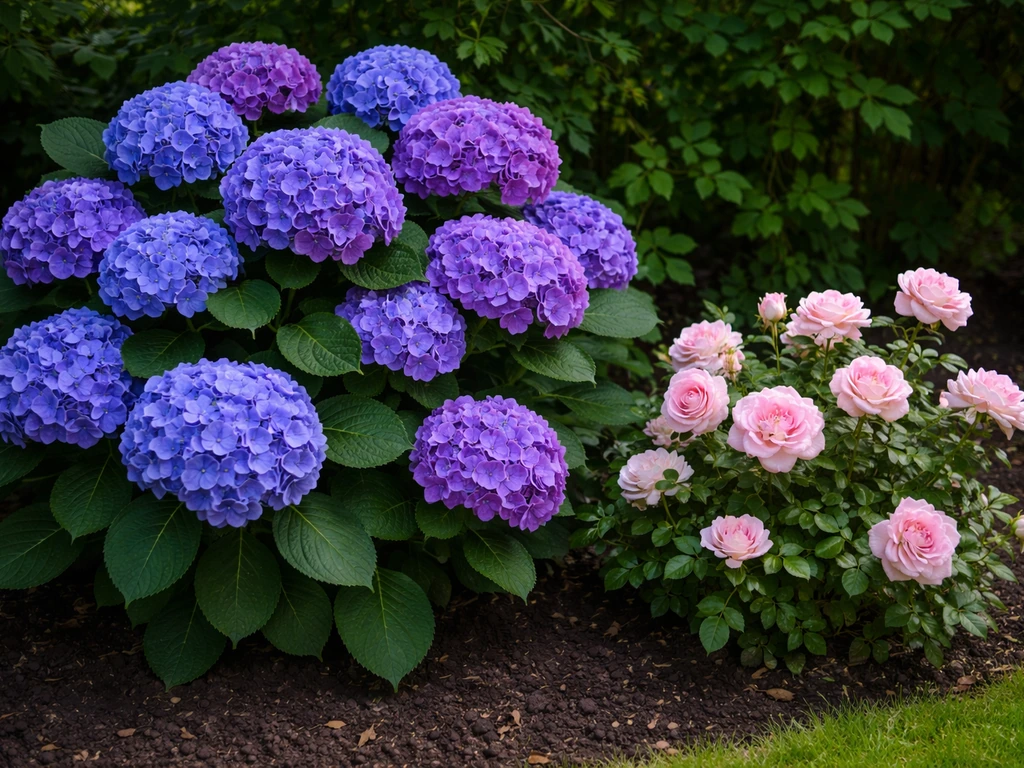
- Hydrangeas: love the UK's reliable rainfall, give reliable summer colour, and are hardy across most of the UK
- Roses: the definitive British garden plant, choose disease-resistant modern varieties to reduce maintenance
- Buddleja (butterfly bush): grows almost anywhere, though note it can spread invasively in the wild
- Lavender: ideal for well-drained, sunny spots in England, less reliable in wetter northern regions
- Viburnum: reliable hardy shrubs with winter or spring flowers, suit most UK conditions
- Mahonia: evergreen, structural, and flowers in midwinter when almost nothing else does
Trees for UK gardens
Native trees are always a solid bet: rowan, silver birch, hawthorn, field maple, and wild cherry are all perfectly adapted to British conditions, support enormous amounts of wildlife, and are generally available from specialist nurseries as bare-root plants in autumn and winter. For ornamental trees, Japanese maples (Acer palmatum) are popular and mostly hardy in England, though they need shelter from cold winds and late frosts which can scorch young foliage. Crab apples are one of the best small garden trees you can plant in the UK: reliable, wildlife-friendly, and beautiful in blossom.
Growing 'less UK' plants: microclimates, protection, and containers
Not every plant on your wish list will naturally suit the UK climate, but that doesn't always mean you can't grow it. Not every plant on your wish list will naturally suit the UK climate, but that doesn't always mean you can't grow it can yucca grow outside in uk. The trick is understanding which of the three main UK success factors, namely winter wet, frost exposure, and summer warmth, is the limiting issue, then engineering around it. This is where microclimates, containers, and protection structures do their best work.
Using your microclimate
A south-facing wall stores heat during the day and radiates it at night, creating a zone several degrees warmer than the open garden. This is why peaches, apricots, and figs are trained against walls in UK gardens: the extra warmth ripens fruit that would otherwise stay hard and sour. Sheltered corners between buildings or hedges reduce wind chill and can protect tender plants from frost damage even without active heating. If you're on a slope, planting tender things on the slope itself rather than at the bottom avoids cold air pooling (frost pockets) which is one of the most common reasons spring frosts cause unexpected damage.
Containers: flexibility and control
Growing tender or exotic plants in containers lets you move them into a sheltered spot or unheated greenhouse for winter, which opens up a huge range of possibilities. Money plants (pachira) are usually grown as houseplants in the UK, but you can give them time outdoors in summer if you place them in a sheltered, warm spot and bring them back indoors before cold weather.
Citrus trees, olive trees, tree ferns, and certain palms are all grown in pots by UK gardeners and brought indoors before the worst frosts hit. If you're also asking can areca palm grow outside UK, remember it comes down to microclimates, shelter, and avoiding winter wet the way you would for other less-hardy exotics. The trade-off is that container plants need more watering and feeding than in-ground ones.
Use a free-draining, appropriate compost mix and make sure pots have adequate drainage holes; winter wet in a container is just as lethal as in the ground.
Cold frames, fleece, and greenhouses
An unheated greenhouse or polytunnel is the single biggest upgrade for UK growing. It extends your season by weeks at both ends, lets you grow tomatoes, aubergines, cucumbers, and peppers properly rather than hopefully, and provides winter protection for borderline-hardy plants without the cost of heating. A cold frame is a cheaper but very effective option for hardening off seedlings and overwintering slightly tender plants.
Horticultural fleece laid over crops or draped over borderline shrubs on forecast frost nights costs almost nothing and can make the difference between losing and keeping a plant. If you're exploring exotic or tropical species, there's a growing community of UK gardeners pushing what's possible, but the honest advice is to start with protection structures rather than hoping for a mild winter.
If you want tropical plants you can grow in the UK, start with heat and protection first, then pick varieties suited to your exact microclimate.
It's also worth knowing that a small number of plants are legally restricted in the UK, not because they won't grow, but because they're invasive non-native species that can escape into the wild. If you're wondering what plants are illegal to grow in the UK, this is the kind of restriction list you need to consult before planting legally restricted in the UK. Under retained EU regulation and the Wildlife and Countryside Act 1981, certain species must not be planted or caused to grow in the wild. The RHS maintains a list of these invasive non-native plants, and it's worth checking before you plant anything you're not familiar with, particularly vigorous spreaders.
How to choose the right plants for where you actually live
The most practical thing you can do is check the RHS hardiness rating of any unfamiliar plant before you buy it. H4 means hardy down to around -10°C, which covers most of England in most winters. H5 covers most of the UK. H3 plants are borderline: fine in the South West, risky in the Midlands, unlikely to survive a Scottish winter outdoors. Then ask yourself whether your specific spot has the drainage, shelter, and sun that plant needs. A plant matched correctly to its conditions, as the RHS consistently points out, will be healthier, more productive, and less prone to pests and disease than one you're fighting the environment to keep alive.
The shortcut method: start with plants that have an RHS Award of Garden Merit in the category you're interested in. The RHS publishes official guidance for the “RHS Recommended: Award of Garden Merit” mark and logo, which helps explain the AGM as an RHS performance-based selection for gardens [RHS Award of Garden Merit](https://www. rhs. org.
uk/plants/trials-awards/rhs-recommended-award-of-garden-merit-logos/rhs-recommended-award-of-garden-merit-guidelines. pdf). AGM plants have been trialled in UK conditions and proven to perform reliably. They're not always the flashiest choices, but they're the ones that will actually do what you want them to do.
Build your confidence on those, then experiment at the margins once you understand what your specific garden can and can't support. That's the approach that turns a patchy first season into a genuinely productive, satisfying garden.
FAQ
If a plant is labeled hardy in general, does that automatically mean it will grow in my UK garden?
Yes, but “works in the UK” depends on how your garden mimics the right conditions. A plant that is hardy enough on paper can still fail from winter wet, wind, or frost pockets, so test your spot by observing where water sits after rain and where cold air settles overnight.
How can I tell if my soil is suitable for what plants grow in the UK (especially in winter)?
The quickest way is to check drainage by doing a simple soak-and-wait test. Water the area thoroughly, then see how long it takes to drain and whether the soil stays heavy or muddy the next day, that’s often more predictive than temperature alone for UK gardening success.
What’s the most common mistake when growing UK-suitable plants in pots?
Containers in the UK often fail for a different reason than beds, they freeze less predictably and they trap excess moisture against pot walls. Always use a freely draining compost mix, ensure drainage holes are unobstructed, and avoid standing pots in trays of water through rainy months.
How should I choose a spot in my garden if I want the most reliable plants in the UK?
Microclimate changes your results most around frost risk and sun exposure. If you have a slope, avoid planting frost-tender crops at the bottom where cold air pools, and if you have a wall, use it to create a warmer wind-sheltered corner for borderline plants.
What should I do if my seedlings get hit by late frost even though I followed planting dates?
Relying on “average last frost” can lead to disappointment. Use your local late frost timing and also check how your specific area behaves at night, valleys and sheltered courtyards can differ from nearby open ground by several weeks in practice.
Why do some plants survive UK winters in one garden but die in another?
Don’t match only the plant’s temperature tolerance, match its wet tolerance too. For example, many herbs and Mediterranean-style plants need grit-rich, free-draining compost, and clays often need raised beds or a container approach to prevent winter rot.
When is protection like horticultural fleece actually enough, and when do I need more (cold frame or greenhouse)?
If you want fewer failures, avoid “frost pockets” and choose wind-sheltered areas before chasing exotic varieties. For tender plants, fleece helps during a frost night, but it won’t fix persistent cold damp, so combine protection with drainage.
Are fruit trees and soft fruit always safe in UK weather because they are hardy?
Not necessarily. Many fruit plants blossom in spring, and late frosts damage flowers even when the plant itself is winter-hardy. That’s why sheltered sites and good airflow matter for apples, pears, and soft fruit, not just winter survival.
What’s the simplest plan for choosing what plants grow in the UK for a beginner?
Start with plants you can keep thriving during the UK’s wet periods. An AGM plant in the right hardiness range plus a site that drains well is the easiest “reliable win,” then expand to more demanding species once you’ve proven you can manage winter wet and wind.
Why does legality matter for what plants I can grow in the UK, and what should I check before planting?
Many non-native plants can spread if they escape, and the legal issue is about preventing them from becoming invasive in the wild. Before buying, check the specific species status, especially for aggressive spreaders and vigorous self-seeders that can escape your garden.
Next Article
Can You Grow Tiger Nuts in the UK? Practical Guide for Gardeners
Can you grow tiger nuts in the UK? Practical, regional guide with planting dates, containers, harvest & recipes.