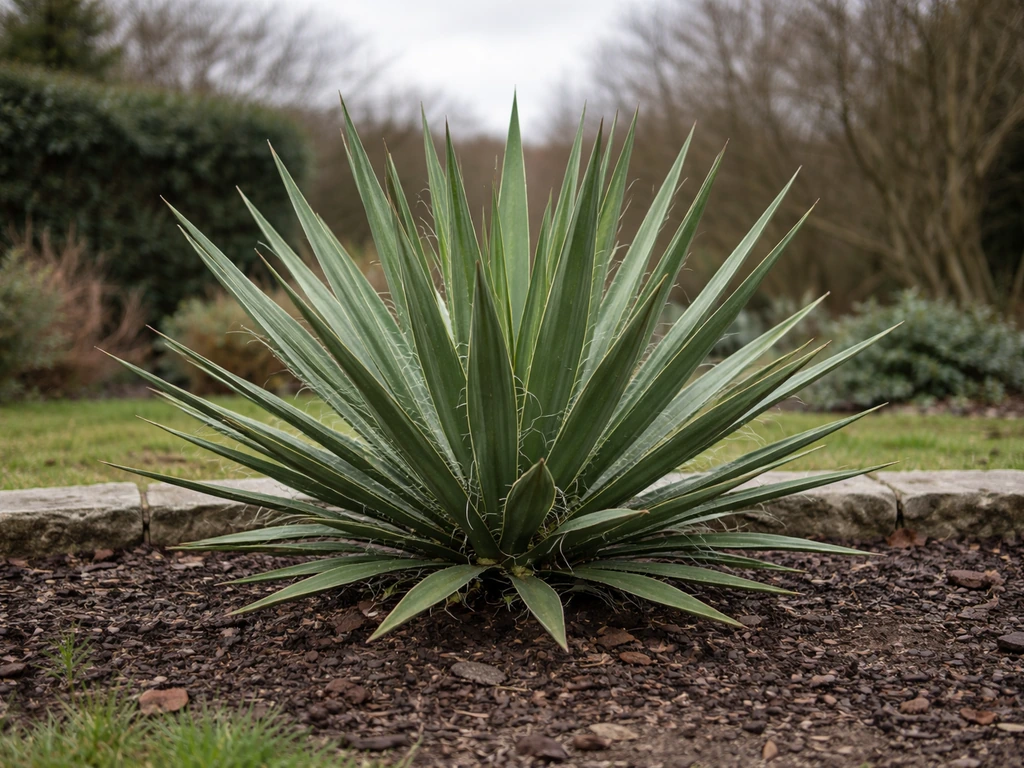
Yes, yucca can grow outside in the UK, and several species will survive British winters without any fuss at all. If you are wondering what plants are illegal to grow in the UK, the rules can depend on species and whether they are considered invasive or controlled. The catch is that the UK's biggest threat to yucca isn't cold, it's wet. Most yucca deaths in British gardens come from root rot caused by winter waterlogging, not frost. Get the drainage right and plant the correct species, and you can have a yucca thriving in the ground in most parts of England, Wales, and even sheltered spots in Scotland.
Can Yucca Grow Outside in the UK? Easy Care Guide

James Hartwell
14 May 2026
Which yuccas can actually handle UK winters?
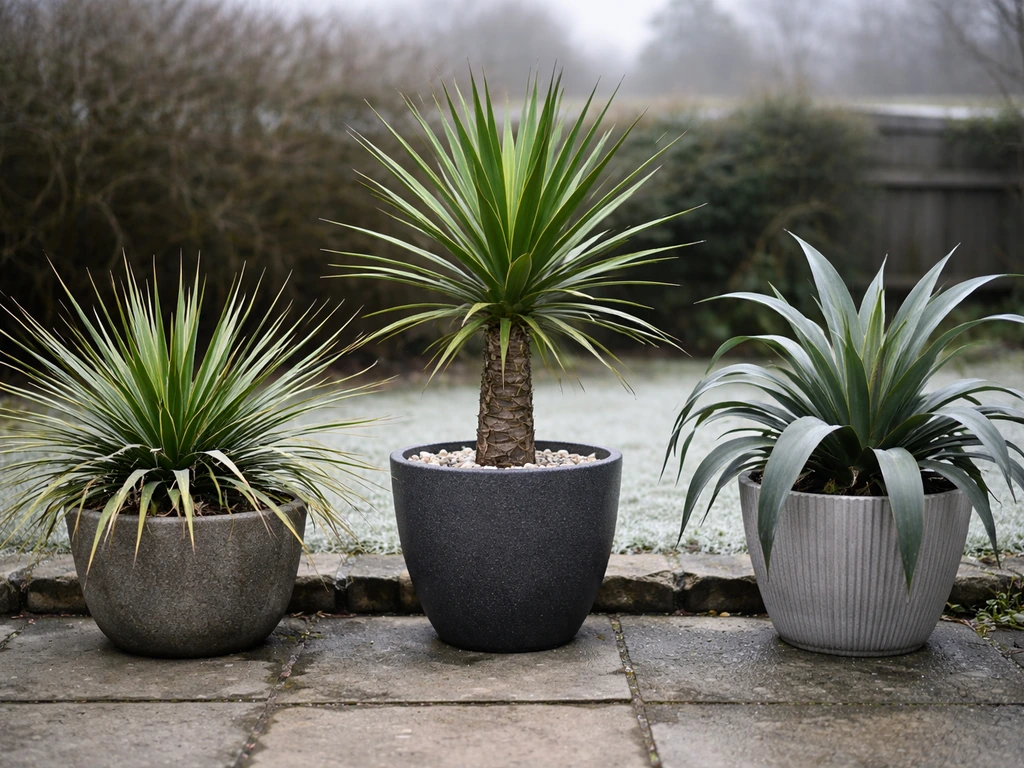
Not all yuccas are created equal when it comes to cold and wet tolerance. The ones you want to focus on for outdoor growing in the UK are the genuinely hardy species, not the soft tropical types you might see indoors. can money plants grow outside in the uk outdoor growing in the UK.
| Species | RHS Hardiness Rating | Temperature Tolerance | UK Suitability |
|---|---|---|---|
| Yucca filamentosa | H5 | Down to approx. -15°C | Hardy in most of the UK, excellent all-rounder |
| Yucca gloriosa | H4 | Down to approx. -10°C | Good across most of England and Wales, sheltered spots elsewhere |
| Yucca rostrata | H4 | Down to approx. -10°C | Tolerates cold well but needs rain shelter more than frost protection |
| Yucca recurvifolia | H4 | Down to approx. -10°C | Reliable in southern England, needs good drainage |
| Yucca elephantipes | H2 | Frost-tender | Pots only, must be brought inside in winter |
Yucca filamentosa is the one I'd recommend most confidently to anyone in the UK. Its H5 rating means it's hardy in most parts of the country down to around -15°C, which covers virtually every realistic winter scenario outside of extreme Scottish highland conditions. Yucca gloriosa is a close second and is the species you'll find most commonly in UK garden centres. Yucca rostrata is increasingly popular because of its striking trunk and blue-grey foliage, but it actually hates prolonged wet more than it hates cold, so it needs particularly sharp drainage and ideally some overhead shelter from winter rain. If someone tries to sell you a Yucca elephantipes for outdoor growing, walk away unless you have a conservatory or frost-free greenhouse to put it in over winter.
The RHS hardiness framework is the most useful guide here for UK gardeners. The RHS details page for Yucca filamentosa ‘Bright Edge’ uses the RHS hardiness rating system (including hardiness bands such as H3 and H4) to describe how well cultivars cope in UK conditions The RHS hardiness framework is the most useful guide here for UK gardeners.. H5 plants are described as hardy in most of the UK, H4 as hardy in most of southern England. If you're in the north of England, Wales, or Scotland, lean towards H5 species like Yucca filamentosa and pay close attention to your microclimate.
Where to plant: sun, drainage, and microclimate matter more than anything
Yuccas need full sun. Not 'mostly sunny' or 'gets afternoon sun', but the sunniest spot in your garden. A south or south-west facing position against a wall is ideal. The wall reflects heat, raises the ambient temperature, and crucially helps keep the soil around the plant a bit drier. This is exactly the kind of microclimate that lets you push a plant slightly beyond its comfort zone.
Drainage is non-negotiable. If your garden has clay-heavy soil that sits wet in winter, you need to either fix it or use containers. The crown of the plant (where the leaves emerge from the stem) must not sit in standing water. A practical trick that makes a real difference is to plant your yucca on a slight mound, raising the crown about 10 to 15 cm above the surrounding soil level. This small change dramatically reduces the risk of waterlogging pooling around the base of the plant.
If you're in the south of England, the south coast especially, you've got a genuine advantage. Milder winters and drier summer conditions suit yuccas well, and you'll often see mature specimens in public gardens and coastal parks that have been in the ground for decades. Further north and into Scotland, success is still possible but you'll want to be more strategic: sheltered urban gardens, south-facing walls, and well-draining raised beds are your best tools.
Soil preparation and the container alternative
Improving your soil for in-ground planting
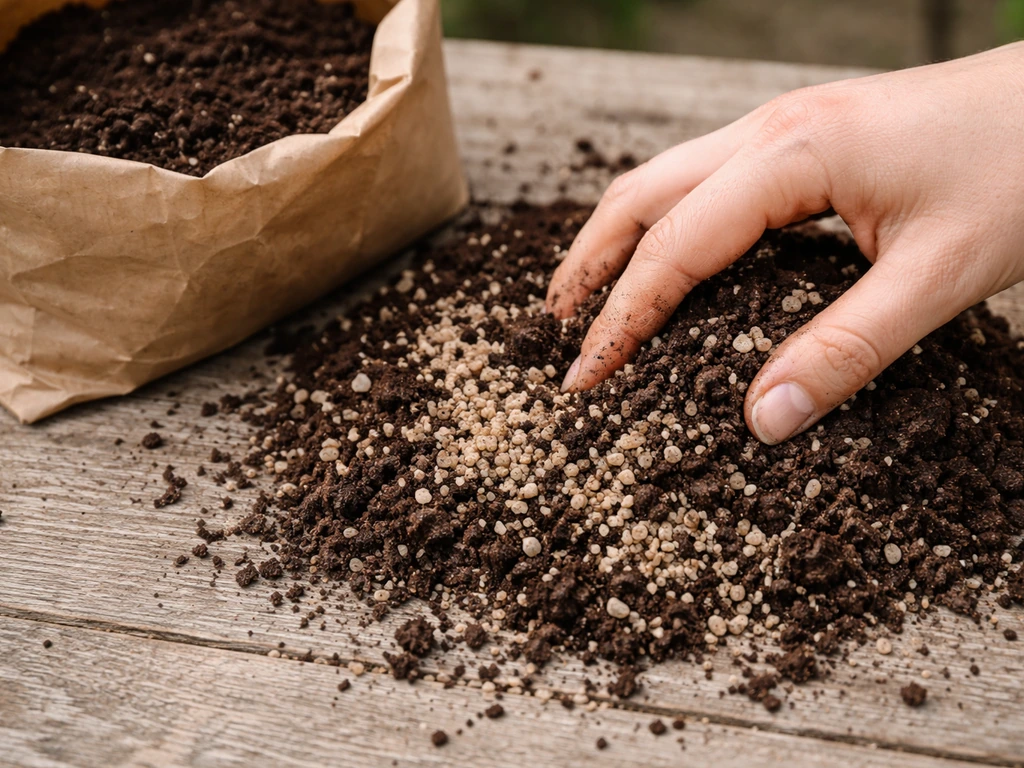
Yuccas tolerate poor soil well, but they absolutely cannot tolerate waterlogged soil. The RHS recommends mixing 20 to 30% extra horticultural grit into John Innes No. 2 compost when planting in containers, and the same principle applies in the ground. Dig out your planting hole, break up the base to improve drainage below, and backfill with a mix of your existing soil, sharp grit, and some John Innes No. 2. Avoid peat-based composts and anything that holds moisture. A layer of gravel or grit mulch around the base of the plant after planting also helps rain bounce off rather than soak in.
Growing in containers
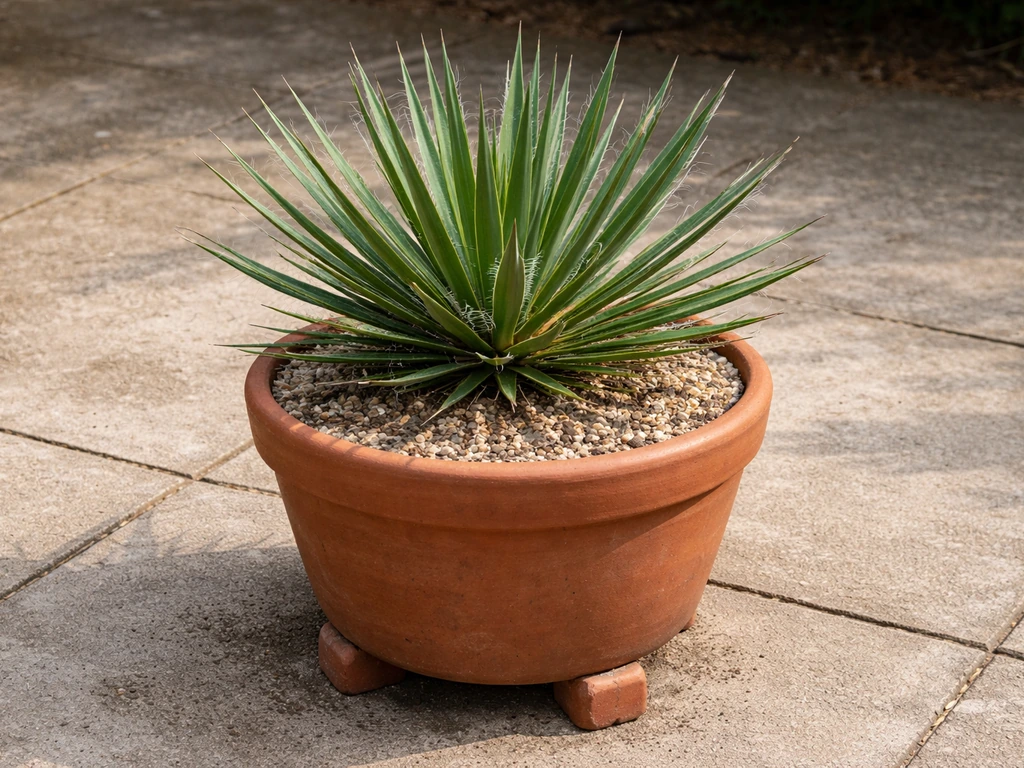
Containers are a sensible fallback if you're in a colder region, have heavy soil, or want the flexibility to move the plant under cover in winter. Use a terracotta or heavy pot (plastic pots can tip over and don't breathe as well), and make sure it has multiple drainage holes. The same 20 to 30% grit mix applies here. One big advantage of containers is that you can move less hardy species like Yucca elephantipes into a frost-free greenhouse or conservatory from November through to March, then bring them back outside once the worst is past.
Even for container-grown hardy species like Yucca filamentosa, raising the pot off the ground on pot feet through winter improves drainage and stops the pot sitting in a puddle. This small step is often the difference between a plant that sails through winter and one that quietly rots from the bottom up.
Planting and seasonal care through the year
When and how to plant
Plant yucca in late spring once the risk of hard frost has passed, typically from mid-May onwards across most of the UK. This gives the plant a full growing season to establish its root system before it faces its first winter. Planting in autumn is possible but risky, as an unestablished root system is far more vulnerable to wet rot. Follow the mound-planting approach: dig your hole, improve the drainage, and set the plant so the crown sits slightly proud of the surrounding soil.
Spring and summer
- Water newly planted yuccas during dry spells in the first summer, but always allow the top layer of soil to dry out between waterings.
- Established plants need very little watering, even in summer. Overwatering is just as damaging as waterlogging.
- Remove dead or brown leaves from the base of the plant as needed to keep airflow around the crown.
- Feed lightly with a balanced fertiliser in spring if the plant looks sluggish, but avoid high-nitrogen feeds which encourage soft growth.
Autumn preparation and winter protection
Stop watering container plants from October onwards and let the soil dry right out. For in-ground plants, the main winter job is protecting the crown from excess moisture rather than cold. Tying the leaves up loosely over the crown with twine creates a simple tepee shape that sheds rain away from the central growing point. This is particularly useful for Yucca rostrata and other species that are more sensitive to wet. For borderline-hardy species or exposed positions, wrapping the whole plant in a double layer of horticultural fleece adds around 2°C of frost protection, which can be the margin you need in a cold snap.
Remove fleece and ties in March or early April, as soon as the worst of winter is behind you. Keeping the plant wrapped too long into spring can encourage fungal problems.
Common problems and how to fix them
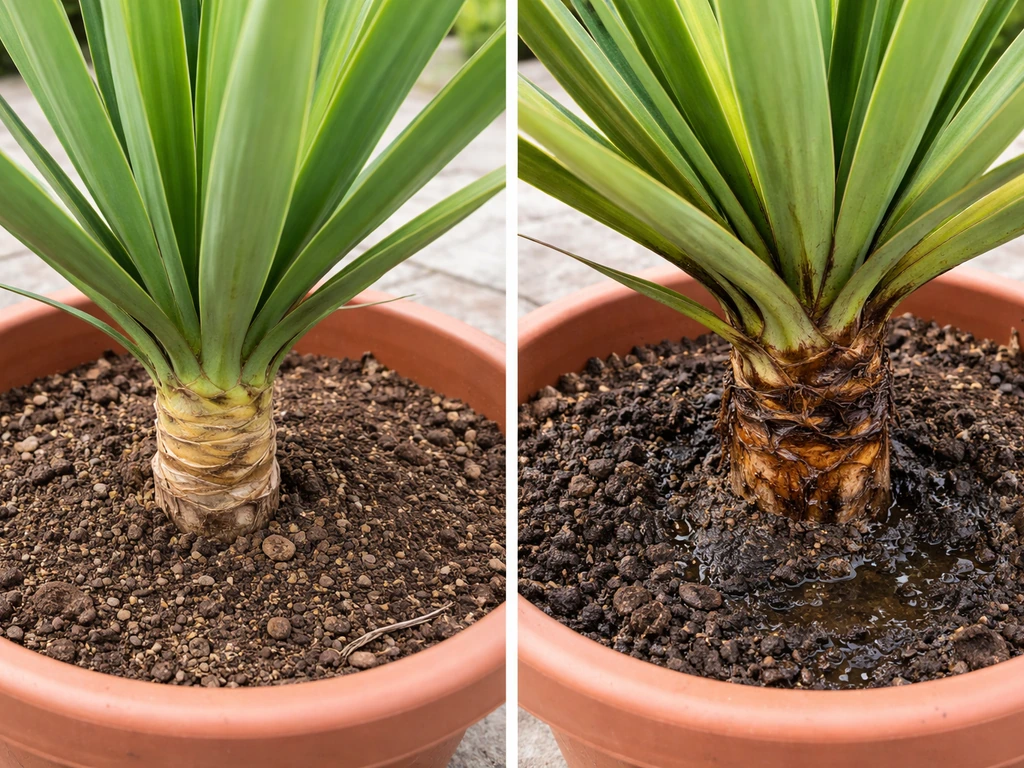
Root and crown rot
This is the number one killer of yucca in the UK. The signs are mushy, brown tissue at the base of the leaves or at the crown, a foul smell, and leaves that pull away from the centre too easily. If you catch it early, cut out all affected tissue back to clean, firm growth, dust the cuts with a fungicide powder, and move the plant to a drier position. If the crown is gone, the plant almost certainly is too. Prevention is everything here: drainage, raised planting, and keeping moisture away from the crown in winter.
Frost damage
Frost damage typically shows up as bleached, papery, or translucent leaf tips in spring. On hardy species like Yucca filamentosa, this is mostly cosmetic and the plant will push through new growth. Trim off the worst of the damaged leaves in spring once new growth appears. If the whole crown is blackened and collapsed after a severe freeze, dig the plant up and check the roots: if the roots are still firm and healthy, it may regenerate from the base. If both crown and roots are soft and rotten, the plant is lost.
Pests
Yuccas have relatively few serious pest problems outdoors in the UK. Scale insects can occasionally colonise the stems, showing up as small brown bumps. Wipe off with a cloth dipped in diluted washing up liquid or use a systemic insecticide. Vine weevil can be a problem in containers, where their grubs eat the roots. Use a vine weevil biological control nematode drench in late summer as a preventive measure if you've had problems before.
Yellow or brown leaves
Some yellowing of lower, older leaves is completely normal and just needs tidying up. If younger leaves are yellowing, suspect overwatering or waterlogged roots. Dry, brown leaf tips can be a sign of too little water in summer, though this is far less common than overwatering. Brown tips can also just be cosmetic wind damage on exposed sites.
Realistic growth expectations and flowering
Yuccas are slow growers in the UK. In a good season with plenty of sun, a Yucca filamentosa might produce 20 to 30 cm of new leaf growth. Yucca gloriosa can eventually build up a trunk over many years, giving it that dramatic architectural look. Don't expect rapid transformation.
Flowering is the exciting part, but it requires patience. Most yuccas need to reach a certain maturity before they'll flower, often five to ten years in the ground. When they do, the flower spike is spectacular: a tall panicle, sometimes 1.5 to 2 metres high, covered in creamy white bell-shaped flowers in summer. Yucca gloriosa and Yucca filamentosa are the most likely to flower in UK conditions, particularly in warmer southern gardens. Don't be disheartened if yours hasn't flowered yet. A long, hot summer seems to trigger flowering, so the conditions of any given year play a role.
For long-term success, the ongoing care is minimal once the plant is established and in the right spot. Keep the drainage good, tidy up dead leaves, give it winter crown protection in colder regions, and largely leave it alone. Yucca rewards neglect far more than it rewards fussing. Compare this to something like an areca palm, which is genuinely borderline for outdoor UK growing and needs constant protection, and yucca starts to look like a very sensible choice for anyone wanting a dramatic, exotic-looking plant with real staying power in a British garden. If you want more tropical plants you can grow in the UK, it helps to pick species based on cold and wet tolerance, not just how they look indoors exotic-looking plant.
Your next steps: what to buy and what to do first
- Choose Yucca filamentosa if you want the safest, most cold-tolerant option for anywhere in the UK. Choose Yucca gloriosa for something slightly more dramatic if you're in central or southern England.
- Pick the sunniest spot you have, ideally a south-facing wall with existing shelter from north and east winds.
- Assess your drainage honestly. If the soil stays wet for more than a day or two after heavy rain, improve it with grit before planting or switch to a container.
- Plant in mid to late May, mounding the soil so the crown sits 10 to 15 cm above the surrounding ground level.
- Mulch with gravel or grit around the base to keep moisture away from the crown.
- In autumn, tie the leaves up over the crown to shed rain, and use fleece in colder regions or during severe cold snaps.
- Be patient: let the plant establish for at least a full season before judging its progress, and don't overwater.
FAQ
Can yucca grow outside in the UK if I have a wet garden or clay soil?
It can, but you need to treat it as a drainage problem first. If water sits after rain, either install a drainage solution and plant on a mound, or use a container with sharp drainage mix and keep the crown above surrounding soil. A yucca in consistently waterlogged ground often fails even in mild winters.
Is it safe to plant yucca in autumn in the UK?
Autumn planting is higher risk because an unestablished root system is more likely to rot over winter. If you do it, choose a sheltered spot, improve drainage before planting, and consider extra crown protection, but for most UK gardeners late spring is the safer timing.
Which yucca species should I avoid for outdoor growing in the UK?
Avoid Yucca elephantipes for in-ground outdoor use unless you can overwinter it under cover in a frost-free greenhouse or conservatory and then move it back outside when conditions improve. It is far more sensitive to prolonged wet than the hardy filamentosa and gloriosa types.
How much sun does yucca need outdoors in the UK?
Full sun, meaning the sunniest spot you have. If it gets filtered light or only partial sun for much of the day, growth slows and wet stress becomes more likely because the plant dries more slowly between rains. A south or south-west wall position is often the difference-maker.
What is the best way to protect the crown from winter rain?
Keep the crown slightly proud of the soil by planting on a raised mound (about 10 to 15 cm). In wetter or exposed spots, tie leaves loosely into a tepee to shed water away from the center. The goal is to prevent the growing point from sitting in moisture, not to create a fully sealed shelter.
Do I need to water yucca in winter if it is outside in the UK?
For in-ground plants, focus on keeping the crown dry rather than adding water. For container plants, stop watering from October onward and allow the compost to dry out fully, because wet compost plus cold is a common setup for crown and basal rot.
My yucca leaves look bleached and papery in spring, does that mean it is dying?
Usually it is frost tip damage, especially on hardy species like Yucca filamentosa. Trim the worst damaged leaves after new growth appears. If the crown is intact, it often recovers, but if tissue at the center collapses and the base is soft, treat it as a serious rot risk.
How do I tell scale insects from normal bumps on yucca stems?
Scale is typically small, fixed brown bumps that you can wipe off partially and that often occur in clustered patches along stems. If you see them, remove lightly with a cloth and diluted washing up liquid, or use an appropriate insect control, then re-check after a couple of weeks.
Can vine weevils kill outdoor yucca in the UK?
They are mainly a container problem because the grubs target roots in pots. If your yucca is in the ground, vine weevil pressure is usually much lower, but if you have a history in your containers, use a biological control nematode drench in late summer as prevention.
Will yucca flower in the UK, and how long does it usually take?
Many yuccas need maturity, often several years, commonly around five to ten years in the ground depending on species and whether the site is truly sunny. Flowering is more likely after a long, hot summer, and patience is part of the process for UK gardeners.
What should I do if my yucca starts to rot, can I save it?
If you catch rot early, remove all affected tissue back to firm, clean growth and dust cuts with a fungicide powder. Then move it to a drier position or improve drainage immediately. If the crown is gone or pulls away easily, it usually cannot be saved.
Should I mulch around yucca in winter?
Use a gravel or grit-based mulch around the base rather than moisture-retentive organic mulch. Wet organic layers can increase winter damp around the crown, directly increasing rot risk. Keep mulch away from directly covering the crown tissue.
Next Article
What Plants Grow in the UK Best Picks by Season
Season-by-season UK England plant picks for beginners: vegetables, herbs, flowers and shrubs that thrive in UK weather