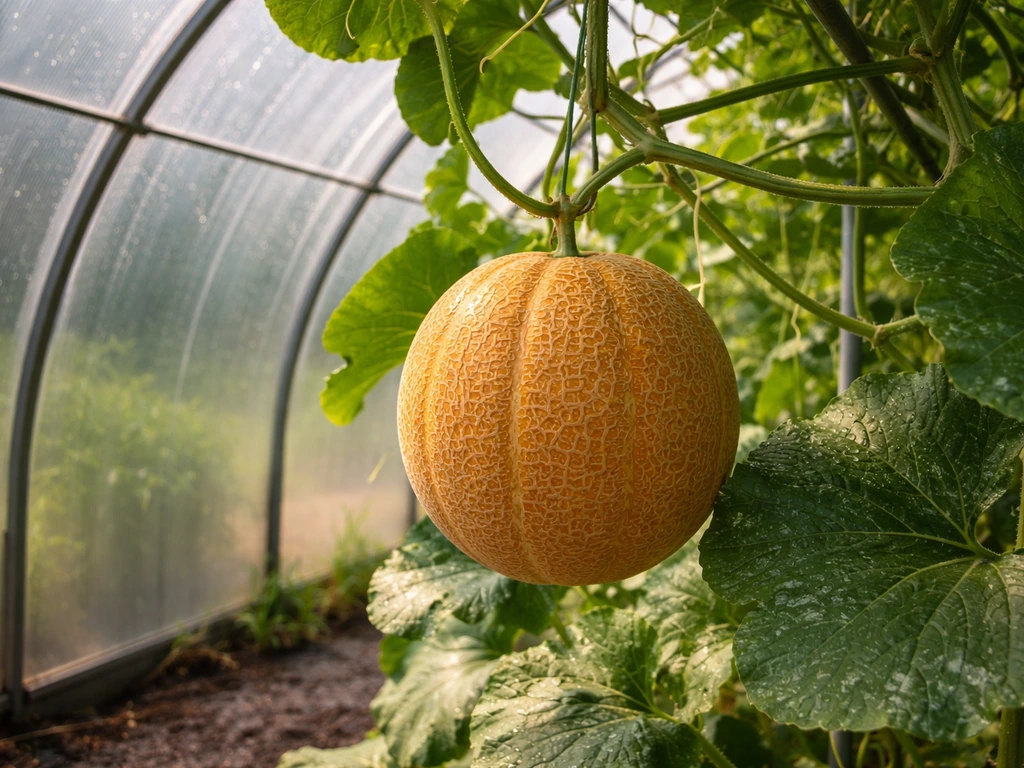
Yes, you can absolutely grow piccolo tomatoes in the UK, and they're actually one of the more forgiving tomato varieties to attempt here. They're small cherry-type fruits that ripen faster than beefsteak or plum types, which matters a lot when you're working with British summers. In a greenhouse or polytunnel you'll get reliable crops year after year. In containers on a warm patio or sheltered spot, you'll do well in most of England and Wales. Open-ground growing in the UK is doable in the south during a decent summer, but you're at the mercy of the weather. The honest answer is: grow them under cover if you can, and you won't be disappointed. If you're also wondering can you grow cucamelons in the UK, the short answer is yes with the right warmth and support.
Can You Grow Piccolo Tomatoes in the UK? A Guide
What piccolo tomatoes actually are
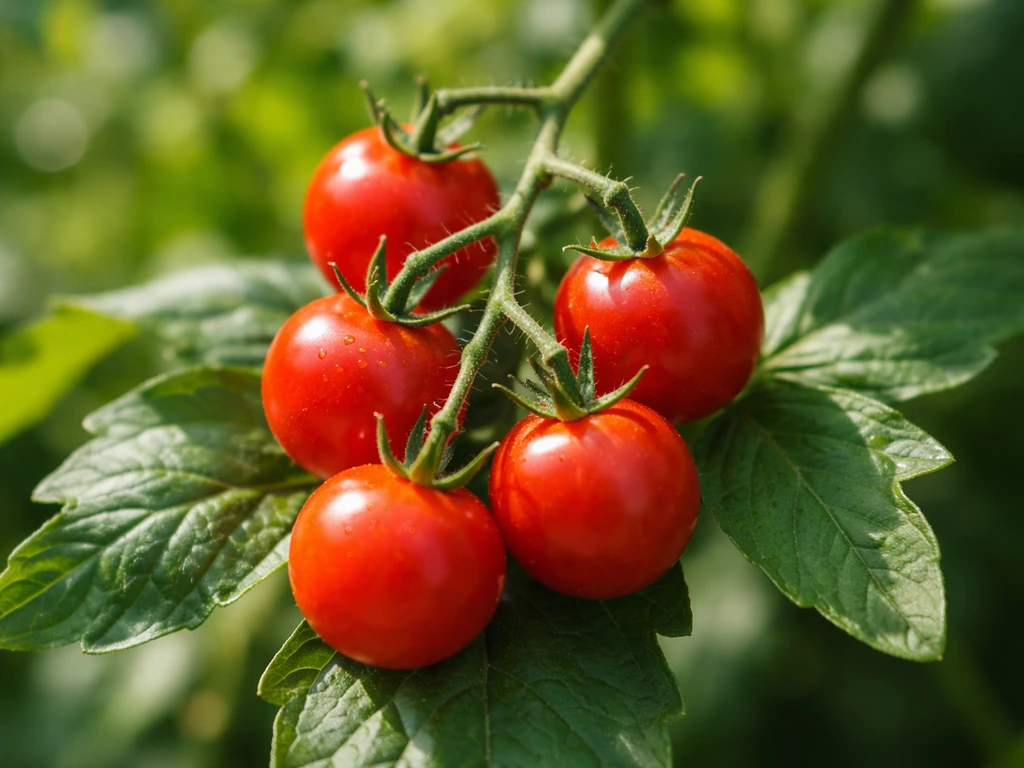
Piccolo tomatoes are a small cherry variety producing clusters of round red fruits that typically weigh around 0.5 oz (roughly 14g) each. They're bred for flavour and productivity rather than size, and that compact fruit profile is exactly why they suit UK conditions better than larger varieties. Smaller fruits need less accumulated warmth to ripen, which is the limiting factor in a British summer.
In terms of growth habit, piccolo tomatoes are generally classed as indeterminate (also called cordon or vining types), meaning they'll keep growing upward if you let them. That's useful because it means you can train them up a single stem, remove sideshoots, and keep the plant focused on producing fruit rather than endless leafy growth. Some compact selections sold under the piccolo name lean toward a bushier habit and can be grown more like a determinate (bush) type without aggressive pruning, but if you buy from a seed specialist and the packet doesn't specify, assume cordon and treat it accordingly. The RHS lists Solanum lycopersicum 'Piccolo' specifically as a cherry tomato suited to greenhouse cultivation in the UK, and The Botanico notes it works for both outdoor and glasshouse growing.
Greenhouse, polytunnel, containers, or open ground?
Where you grow piccolo tomatoes in the UK makes more difference than almost anything else you'll do. Honeydew melons can also be grown in the UK, but they generally need warmth and protection like a greenhouse or polytunnel to ripen properly. Here's how the options stack up honestly.
Greenhouse or polytunnel
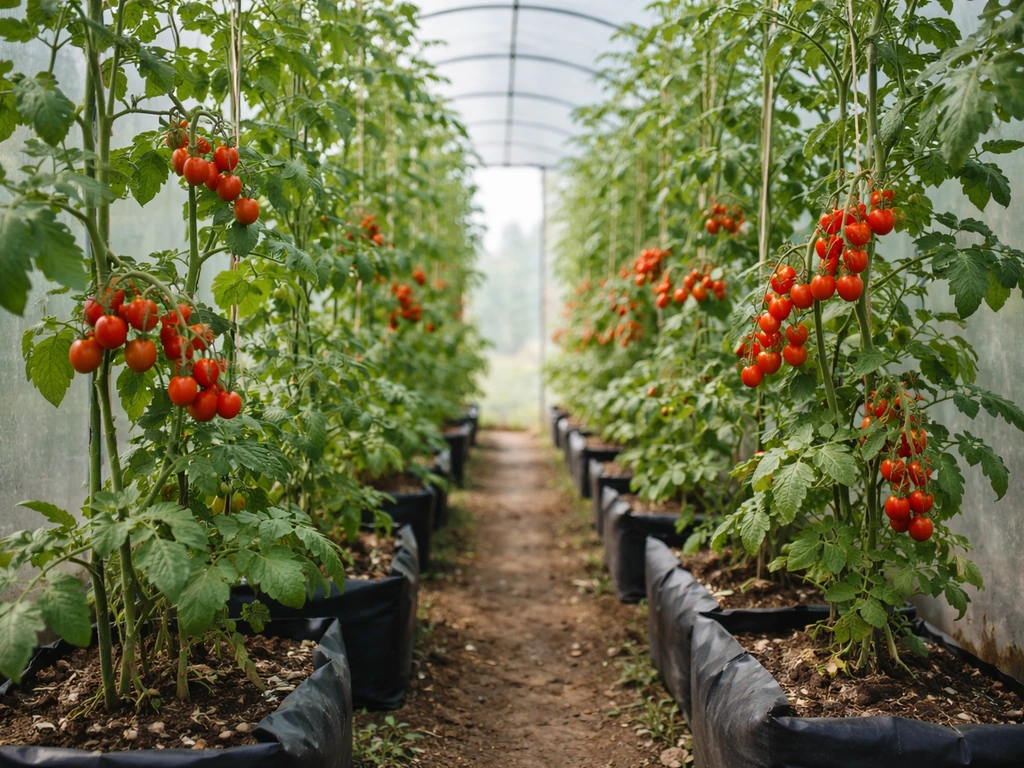
This is where piccolo tomatoes thrive in the UK. A heated greenhouse lets you start earlier and avoid the late blight that tends to arrive with wet autumn weather. An unheated greenhouse still works well if you sow at the right time (more on that below). Greenhouse plants crop earlier, and the RHS confirms they continue fruiting further into autumn than outdoor plants. The Royal Horticultural Society (RHS) notes that greenhouse-grown tomatoes usually begin cropping earlier and continue for longer into autumn than outdoor plants blank" rel="noopener noreferrer">continue fruiting further into autumn than outdoor plants. The RHS Plant Finder notes that Solanum lycopersicum 'Piccolo' is suitable for growing from seed in a heated greenhouse and that blank" rel="noopener noreferrer">maturity and cropping are dependent on UK growing conditions. If you have any kind of covered growing space, use it for your tomatoes.
Containers on a sheltered patio
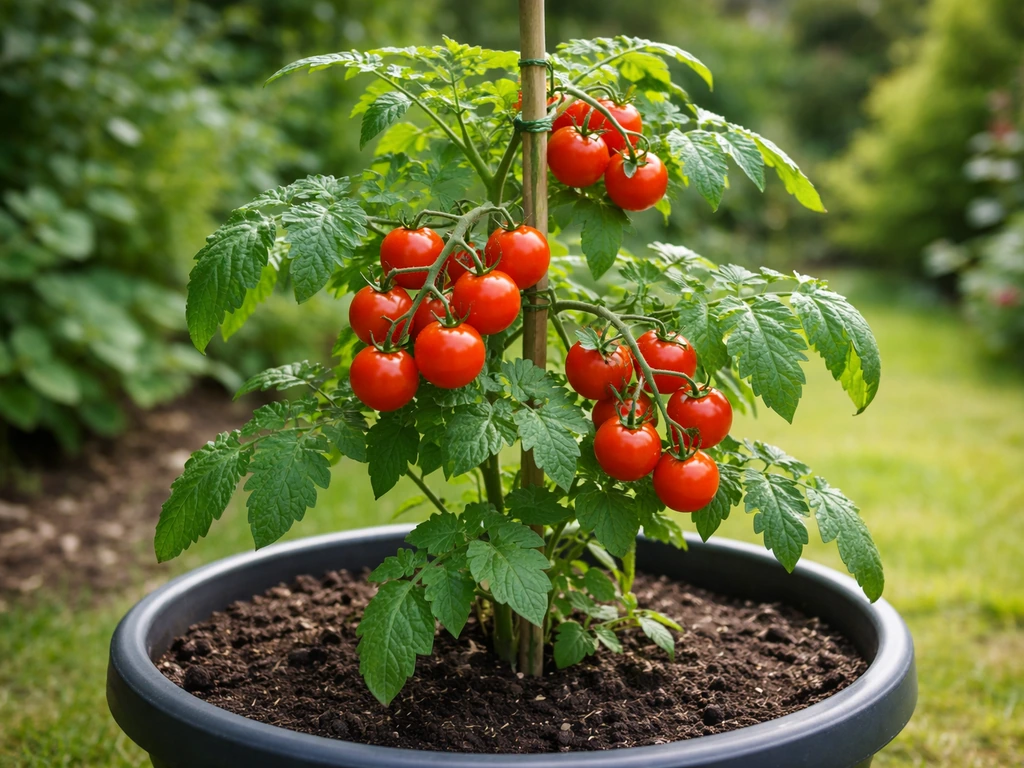
Piccolo tomatoes are genuinely well-suited to containers because their root systems cope well in pots and the compact fruit means you don't need a massive plant to get a decent yield. Use a pot of at least 30–35cm diameter, filled with good peat-free multipurpose or tomato-specific compost. A south or southwest-facing wall or fence gives you the microclimate boost you need, especially in the Midlands and North. On a warm London or South Coast patio, container-grown piccolos can perform nearly as well as greenhouse plants.
Open ground
Open-ground growing is realistic in the south of England and sheltered parts of Wales during a warm summer, but it's a gamble anywhere north of the Midlands and a fairly serious one in Scotland. If you want a clearer answer for your location and setup, this guide explains whether you can grow cucumbers in the UK can you grow cucumbers in the uk. The problem isn't just cold: it's the combination of cool nights, inconsistent warmth, and wet weather that invites blight. If you're determined to try it outside, pick the warmest, most sheltered spot you have, plant through black polythene to warm the soil, and accept that some years it simply won't come together. I've had excellent open-ground crops in Kent and dismal half-ripe ones in Shropshire even in the same calendar year.
When to sow and when to plant out in the UK
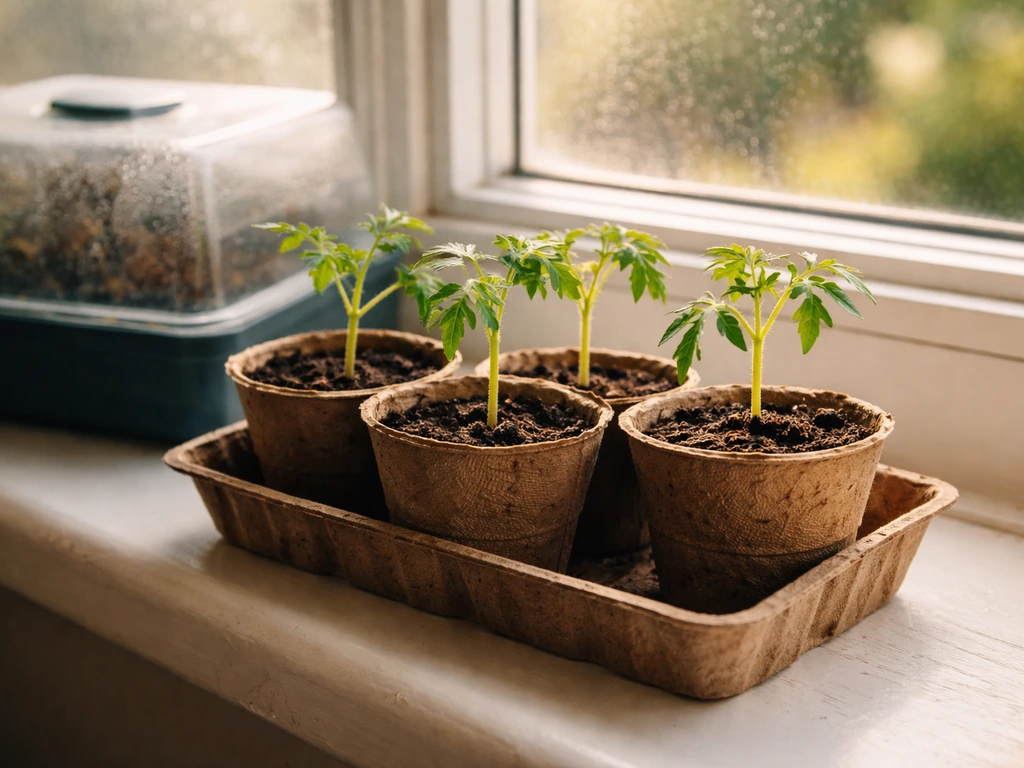
Timing is everything with tomatoes in the UK. Sow too early without heat and you get leggy, stressed seedlings. Sow too late and you lose weeks of your already-short season.
| Situation | Sow indoors | Transplant under cover | Transplant outdoors |
|---|---|---|---|
| Heated greenhouse (min 15°C at night) | Late January to mid-February | March (once night temps stable) | N/A |
| Unheated greenhouse or polytunnel | Mid-March | Late April to early May | N/A |
| Containers outdoors (sheltered south-facing) | Late March to early April | N/A | Late May, after last frost |
| Open ground (south England only) | Early to mid-April | N/A | Late May to early June |
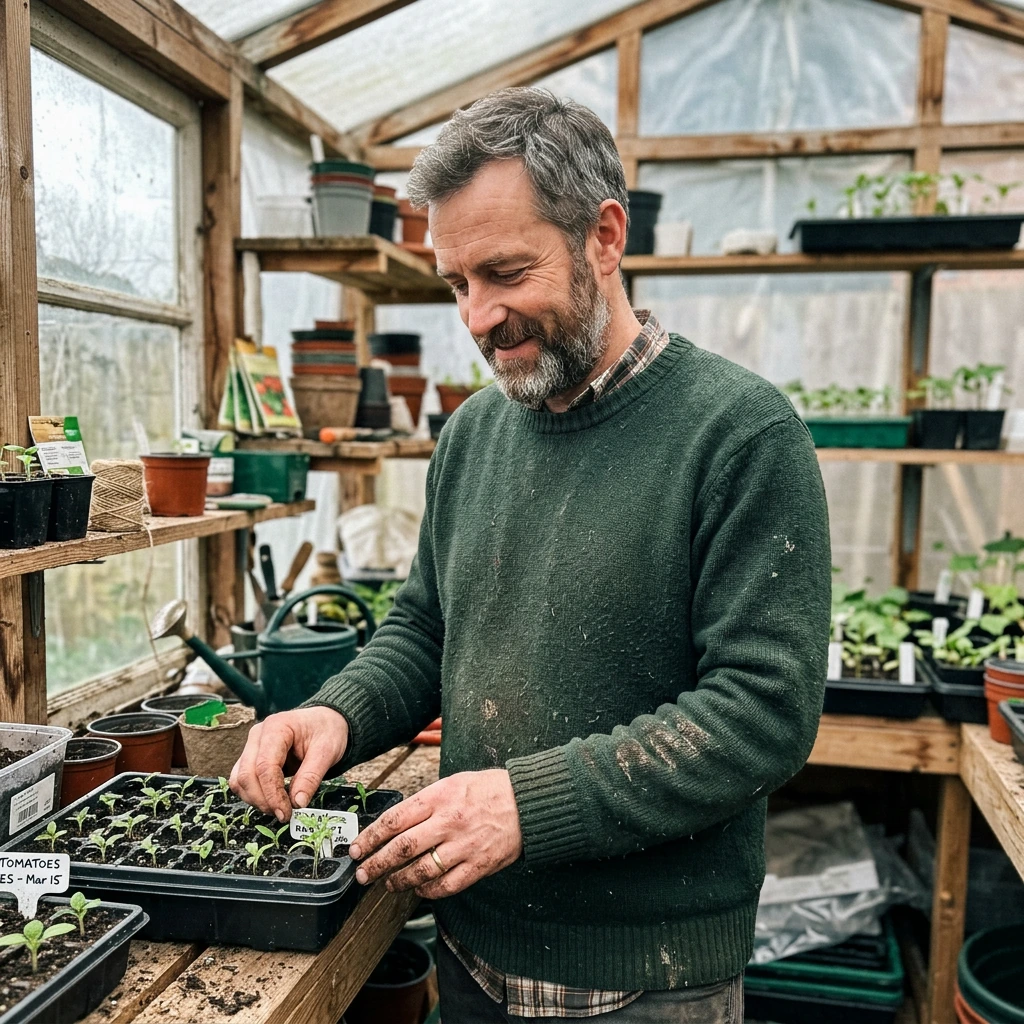
Sow seeds at around 18–22°C in small modules or seed trays. A heated propagator on a windowsill works fine if you don't have a greenhouse. Once seedlings have their first true leaves, pot them on into 7–9cm pots and keep them somewhere bright and warm. The biggest mistake I see is sowing in January without supplementary heat and then wondering why the plants are pale, drawn, and never quite recover. Hold your nerve and sow at the right time for your setup.
Harden off any plants going outdoors by bringing them outside for gradually increasing periods over a week or two before their final planting date. Never put tomatoes out if overnight temperatures are dropping below 10°C. A late frost in May can kill an unprotected tomato plant outright.
Light, temperature, watering and feeding
Light
Piccolo tomatoes need as much light as you can give them, ideally 6 to 8 hours of direct sun a day. In a greenhouse, keep the glass clean and don't crowd plants. On a windowsill, rotate pots regularly. In the UK's overcast summers, north-facing or heavily shaded positions simply won't produce enough fruit to be worthwhile.
Temperature
Tomatoes need daytime temperatures of at least 18°C to set fruit well. Below 10°C at night and growth stalls; below about 7°C and you risk real damage. In an unheated greenhouse in early spring, temperatures can still drop sharply at night, so keep a fleece on hand to drape over plants if a cold night is forecast. In July and August in southern England, temperatures inside an unventilated greenhouse can reach 35°C or more, which also prevents fruit set, so open vents and doors on hot days.
Watering
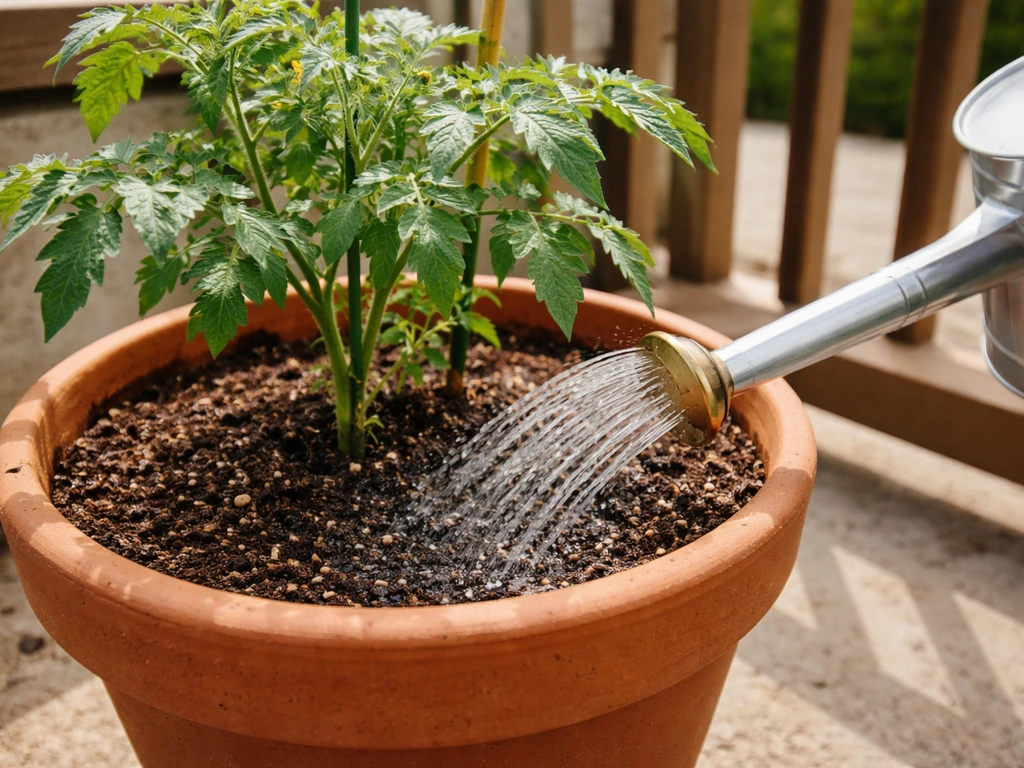
Consistent watering is critical. Irregular watering, going from dry to waterlogged and back again, is the main cause of blossom end rot and fruit cracking in tomatoes. Aim to water little and often, keeping the compost or soil evenly moist but never saturated. Container plants in summer may need watering once or even twice a day in hot weather. Water at the base, not over the leaves, to reduce disease risk.
Feeding
Once the first truss of flowers has set fruit, switch to a dedicated tomato liquid feed (high in potassium, typically shown as a high K ratio on the label). Feed weekly at first, then increase to twice weekly once plants are cropping heavily. Don't feed with a high-nitrogen general fertiliser after this point or you'll get lush green growth at the expense of fruit. If plants look pale or yellow between feedings, you may need to increase frequency or check the soil pH isn't locking out nutrients (aim for around pH 6.0–6.5).
Training, pruning and getting a good fruit set
For cordon (indeterminate) piccolo tomatoes, remove sideshoots regularly. These are the shoots that appear in the angle between the main stem and a leaf branch. Pinch or snap them out when they're small, ideally under 2.5cm long. Left to grow, they become secondary stems and the plant puts energy into structure rather than fruit. Tie the main stem to a cane or string support every 20–30cm as it grows.
When plants have reached the top of your support, or when you're approaching late August and want the plant to ripen existing fruit rather than keep setting new ones, pinch out the growing tip two leaves above the top truss. This is called stopping the plant and it's a useful trick for the UK season where you want to maximise what you've already got before cooler weather arrives.
Fruit set can be patchy if temperatures fluctuate or if pollinators can't reach the flowers. In a greenhouse, gently shake the plant or the flower trusses every couple of days when flowers are open to help release pollen. You'll notice the flowers have a distinctive yellow colour when they're at the right stage.
Common problems and how to handle them
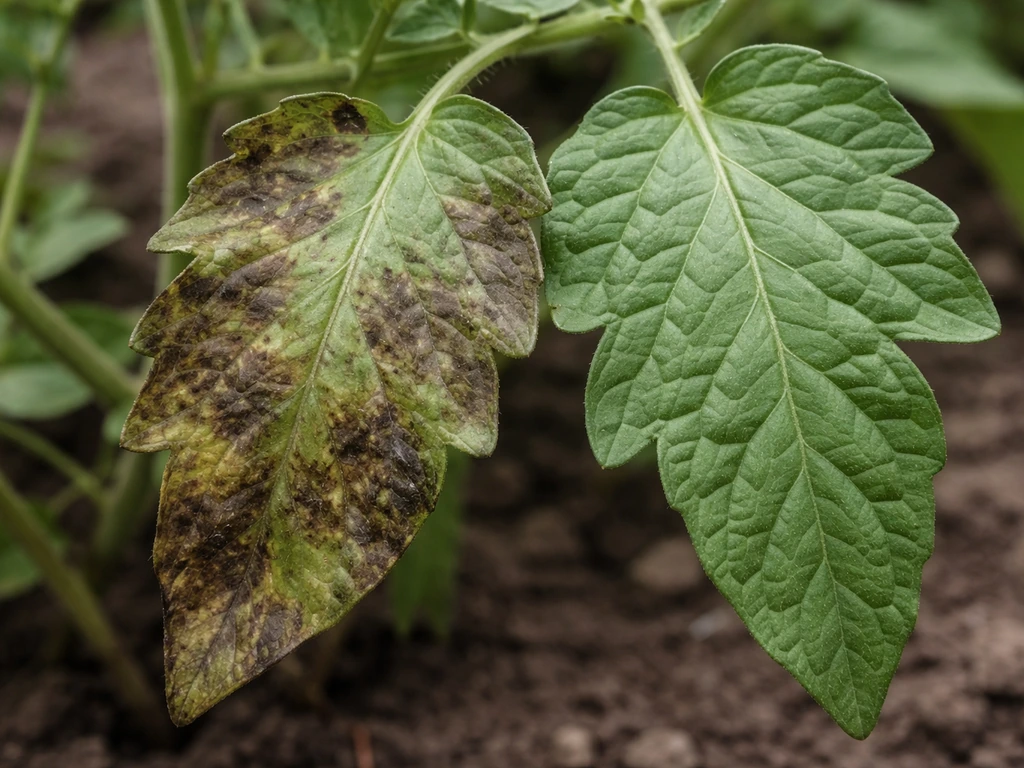
- Late blight (Phytophthora infestans): The biggest threat to outdoor and unprotected tomatoes in the UK, especially from late July onward when nights cool and humidity rises. Brown patches on leaves and fruit, often with a white mould underneath. Prevention is far easier than cure: grow under cover, space plants well, water at the base, and remove affected leaves promptly. Once blight takes hold in a plant, remove and bin it (not the compost heap). There's no chemical control available to home gardeners that reliably stops it once established.
- Blossom end rot: A dark, sunken patch at the base of the fruit. Caused by calcium deficiency resulting from inconsistent watering rather than a lack of calcium in the soil. Fix the watering regime first. A foliar calcium spray can help in the short term but won't fix the underlying issue.
- Fruit cracking: Happens when the plant takes up water rapidly after a dry spell, causing the fruit skin to split. Keep watering consistent, especially in containers. Harvest fruit as soon as it's ripe rather than leaving it on the plant.
- Poor fruit set or flowers dropping: Usually caused by temperatures that are too low (below 10°C at night) or too high (above 30°C during the day), or by a lack of pollination in enclosed spaces. Adjust ventilation, use fleece at night if needed, and shake flower trusses by hand.
- Low yield overall: Often a combination of insufficient light, overfeeding with nitrogen, or leaving too many sideshoots. Revisit your pruning routine and check the plant is getting direct sun for most of the day.
When to harvest and how to store piccolo tomatoes
Piccolo tomatoes grown in a UK greenhouse typically start producing ripe fruit from July onward if sown in March, and earlier (late June) with a heated greenhouse and a February sow. Outdoor plants tend to produce from late July into September in a good year, but you're reliant on the summer delivering enough warmth. The cherry size means they ripen quickly once they start colouring, which is one of the genuine advantages of the variety in the UK's shorter season.
Harvest piccolo tomatoes when they're fully red (or whatever colour is correct for your variety) and give slightly when gently squeezed. Don't wait for them to go soft on the vine. Pick regularly to encourage the plant to keep producing rather than putting all its energy into ripening one truss.
If you have green tomatoes left on the plant as September arrives, you have two options. Bring the whole plant inside (roots and all) if possible and hang it upside down in a garage or shed; the fruits will continue to ripen over several weeks. Alternatively, pick all the green fruit and lay them out in a single layer somewhere warm (around 18–20°C) and dark. The old trick of putting them in a drawer with a banana works because of the ethylene the banana releases, which speeds ripening. Don't put unripe tomatoes in the fridge: cold temperatures stop the ripening process and ruin the flavour.
Once ripe, piccolo tomatoes keep at room temperature for a few days. Store them out of direct sunlight and eat them at room temperature rather than chilled for the best flavour. A good glut can be roasted and frozen, blended into sauce, or slow-dried in the oven if you've had a particularly productive season.
How piccolo tomatoes compare to other challenging UK crops
If you're the kind of gardener who likes pushing what's possible in British conditions, piccolo tomatoes are a genuinely rewarding starting point. They're far more predictable than something like cantaloupe or honeydew melon, which really need consistent heat over a long season to set and ripen fruit in the UK. Cucumbers are perhaps the closest comparison in terms of effort and setup requirements, needing warmth and humidity, but tomatoes are more tolerant of the fluctuating temperatures that are just a fact of UK summers. Cucamelons, another interesting container crop, are a bit more carefree than tomatoes but deliver far less fruit per plant. For anyone who wants a reliable, high-yield container crop under cover in the UK, piccolo tomatoes are hard to beat.
FAQ
If I want to grow piccolo tomatoes in the UK, when should I start seeds and when can I plant them outside?
In the UK, you usually get the best results by starting them under cover, then moving them out only after nights are reliably warm. If your greenhouse is unheated, plan on using frost protection (fleece) during cold spells and avoid planting outside until you are past the risk window (often mid to late May in many areas). Starting seeds too early without bottom heat is the most common reason people end up with pale, stunted seedlings.
Are piccolo tomatoes cordon types or bush types in the UK, and how do I prune them correctly?
Piccolo is typically treated as a cordon (vining) tomato, but some “bush-like” selections sold under the name behave more like determinate types. Check the seed packet first for “cordon” or “bush,” and if it does not say, assume vining and do regular sideshoot removal. The visual clue is whether you have lots of vigorous shoots between the main stem and leaf stems, which indicates you should pinch them out to keep fruiting focused.
Why might my piccolo tomatoes flower but not set fruit, even though they are growing well?
A key trigger for fruit set is temperature stability. In a greenhouse that gets very hot, blossoms can fail to set, even though the plants look healthy. Vent more aggressively on hot days, keep doors open when possible, and consider shading only during peak heat if you regularly hit extreme temperatures, then prioritize steady daytime warmth and gentle airflow.
What pot size and compost setup works best for growing piccolo tomatoes in UK containers?
For containers, don’t start with a small pot. A pot that is too small dries out fast and makes nutrient uptake irregular, which can lead to blossom end rot and cracked fruit. Stick to a pot size of at least 30 to 35 cm diameter, use quality tomato compost, and ensure good drainage so you can keep moisture even without waterlogging.
How can I prevent blossom end rot and fruit cracking when growing piccolo tomatoes in the UK?
Overwatering and underwatering both cause problems, but irregular cycles are the bigger issue. Water little and often to keep conditions consistently moist, especially once trusses are forming. If your compost is drying out completely between waterings, increase watering frequency (containers can need watering once or twice daily in hot weather) rather than giving a big soak that then swings back to wet.
Can you grow piccolo tomatoes outdoors in the UK without a greenhouse, and what’s the best approach?
Yes, but the timing and protection matter. Use a warm, sheltered spot with full sun as much as you can manage, and plant into warm soil, for example with black polythene to raise soil temperature early. Accept that wet, cool summers increase blight pressure and can interrupt cropping, especially in northern and exposed areas where consistent warmth is harder to achieve.
What location factors (sun, shelter, shading) make the difference for piccolo tomatoes in UK gardens?
The big rule is not to rely on a single variety’s typical performance, because microclimates differ. If you are growing in a north-facing or shaded position, you may get lots of foliage and fewer trusses, since tomatoes need substantial direct light to ripen quickly. If your area is frequently cloudy, prioritize the brightest spot you have (including near reflective walls) and ensure the greenhouse stays clean and uncrowded.
What should I do with green piccolo tomatoes if it turns cold before they ripen?
If you bring the plants inside to ripen late-season fruit, don’t store unripe tomatoes in the fridge. Instead, keep them warm and reasonably dark (around 18 to 20°C) in a single layer so they ripen gradually. Hanging the whole plant upside down can work well too, as long as you can maintain a stable indoor temperature and avoid excessive moisture.
What are the most common problems I should watch for (pests or disease) when growing piccolo tomatoes under UK cover?
For pest and disease prevention, airflow and dryness of foliage matter. In greenhouse conditions, crowding reduces ventilation and increases disease risk, so space plants properly and keep leaves off wet ground. If you see early signs of stress, adjust watering to be even and ventilate during humid periods rather than applying extra nitrogen, which can worsen leafy growth.
Can You Grow Cantaloupe in the UK? Yes But How
Learn if you can grow cantaloupe in the UK and get a practical plan for varieties, timing, pollination, and ripening.