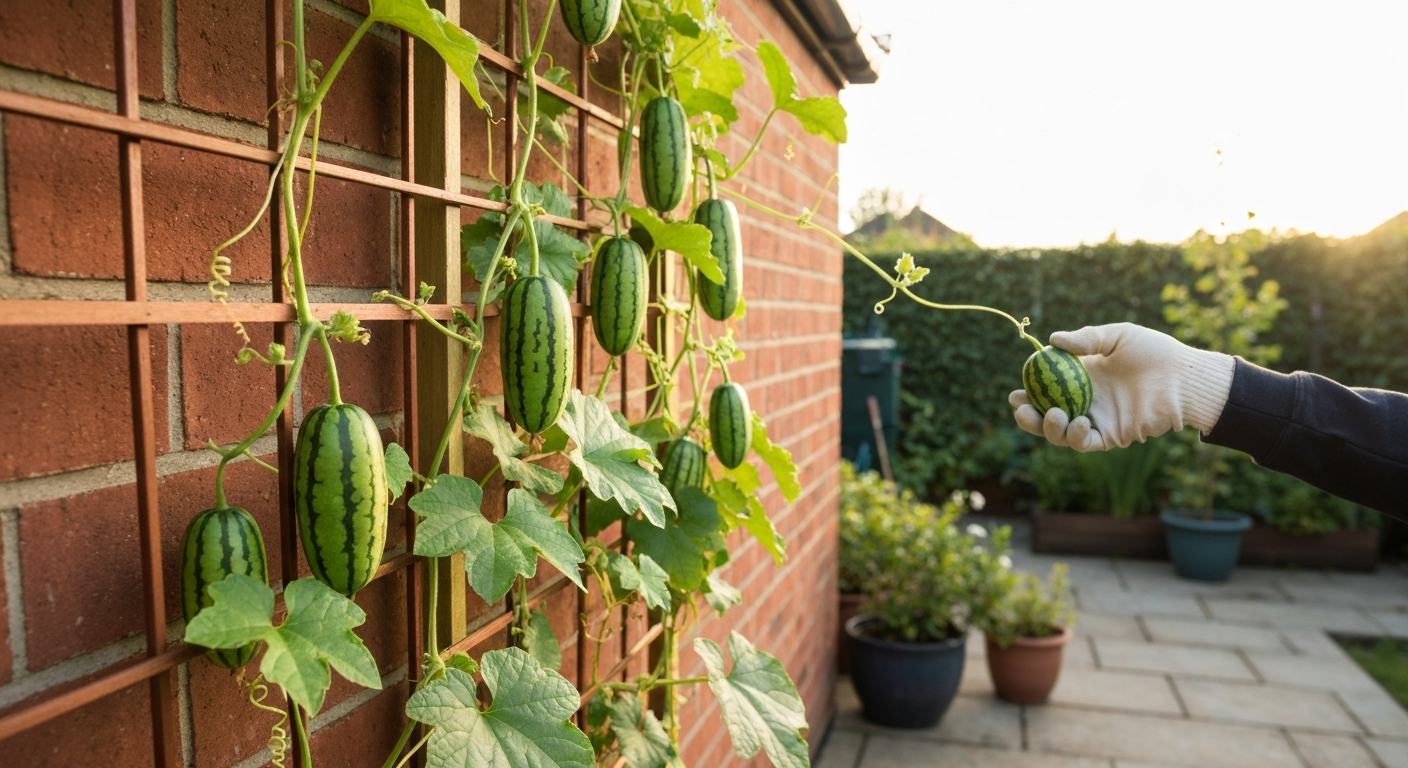
Yes, you can grow cucamelons in the UK, and they are one of the more realistic 'unusual crops' to attempt in a British garden. In southern England, a sheltered outdoor spot will produce a decent harvest most summers. In the Midlands, northern England and lowland Scotland, you will get reliable results in a polytunnel or unheated greenhouse, and a reasonable outdoor crop in a warm, sheltered position. In the Scottish Highlands and other exposed northern areas, outdoor growing is a gamble and a covered structure gives you the best odds. Across the board, this is not a fussy or difficult plant, it just needs warmth, a frost-free season and something to climb.
Can You Grow Cucamelons in the UK? Regional Guide & Tips
James Hartwell
12 Jul 2026
What exactly is a cucamelon?
The cucamelon (Melothria scabra) is a fast-growing herbaceous climber native to Mexico and Central America, where it grows as a seasonally dry tropical geophyte. In UK gardens it is always grown as an annual. Plants typically reach 2.5 to 4 metres in height and produce an abundance of grape-sized fruits, roughly 2.5 cm long, that look exactly like tiny watermelons but taste sharp and cucumber-like with a faint citrus edge. That acidic flavour surprises people who expect something sweet based on the appearance, but it is genuinely pleasant eaten raw, pickled or tossed into salads.
In terms of heat requirements, cucamelons sit in a useful middle ground. They are warmer-season crops that need temperatures above 18°C to grow well and frost-free conditions throughout, but they are noticeably less demanding than cantaloupe or honeydew melons, which need sustained heat and sunshine to develop sugars and ripen fully, something southern England can manage but the rest of the UK struggles with. Cucamelons fruit more readily at lower temperatures than true melons and have a shorter time from sowing to harvest (around 67 days), which matters a great deal in a short British summer. They are also less susceptible to the humidity problems that blight cucumbers grown under cover, making them more forgiving for beginners.
Is your garden warm enough? UK regions and microclimates
The RHS gives cucamelons a hardiness rating of H1C, which means they can be grown outdoors in summer only and should be treated as a tender annual. They cannot tolerate any frost at any growth stage, so your region's last spring frost date sets the earliest safe outdoor planting date. UK frost timing follows a clear north-to-south pattern: the average last spring frost falls in late March to early April across milder southern and coastal England, mid to late April in central England and East Anglia, late April to early May in northern England and lowland Scotland, and as late as late May to early June in the Scottish Highlands.
Beyond raw frost dates, microclimates matter enormously. A south-facing courtyard wall in Leeds will outperform an exposed south-facing field in Kent. Urban heat islands, walled gardens, sheltered patios and city terraces can sit several degrees Celsius warmer than the surrounding countryside. Met Office analysis reports that Summer 2025 was the warmest on record for the UK, reinforcing that southern and urban microclimates are often several degrees warmer than regional averages Summer 2025 is the warmest on record for the UK — Met Office. If you have one of these spots, you are already better placed than regional averages suggest. Conversely, a north-facing slope, a garden with late ground frost, or a site prone to cold easterly winds will struggle even in otherwise mild postcodes.
| UK Region | Typical Last Frost | Outdoor Growing Verdict | Best Approach |
|---|---|---|---|
| Southern England (south of Thames, coastal SW) | Late March – early April | Good — reliable most years | Outdoor in sheltered spot or unheated greenhouse |
| Central England, East Anglia, Welsh lowlands | Mid–late April | Reasonable — benefits from protection early/late season | Outdoor with fleece/cloche start; polytunnel ideal |
| Northern England, lowland Scotland | Late April – early May | Marginal outdoors — reliable under cover | Polytunnel or greenhouse strongly recommended |
| Scottish Highlands, upland areas | Late May – early June | Unreliable outdoors — short season risk | Unheated greenhouse or polytunnel essential |
Sowing and planting timetable by region
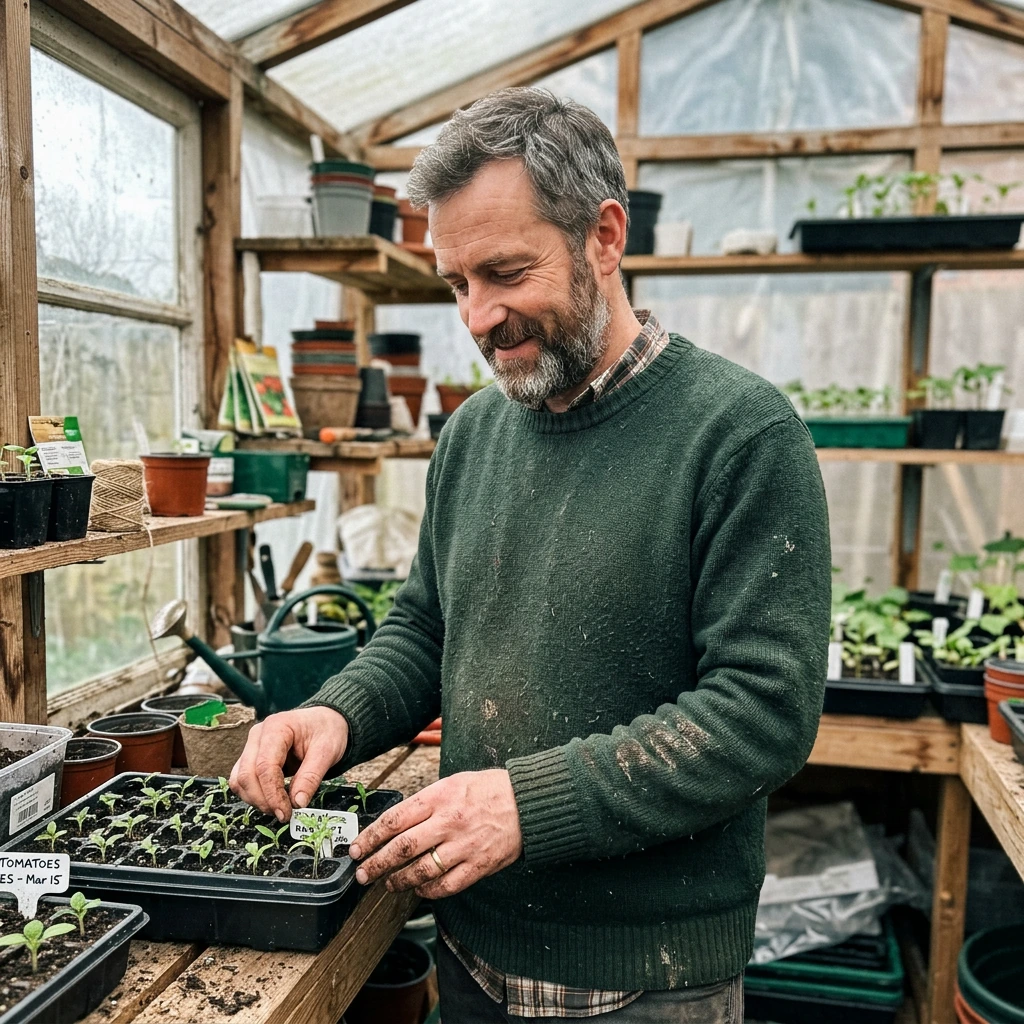
Cucamelon seeds need 22 to 24°C to germinate reliably and can take up to 21 days, so indoor sowing under heat is the right approach across all UK regions. You cannot direct sow outdoors in Britain and expect consistent results, the soil simply does not warm up enough, early enough. Sow on the surface of free-draining, moist compost in a propagator or on a warm windowsill and keep them at that temperature until the seedlings emerge. Once germinated, grow the seedlings on at around 18°C, slightly cooler, but still warm.
| UK Region | Sow Indoors | Harden Off | Plant Out (Outdoors) | Plant Out (Greenhouse/Polytunnel) |
|---|---|---|---|---|
| Southern England | Late March – early April | May | Late May | Early May (unheated) |
| Central England / East Anglia | Early–mid April | Mid May | Late May – early June | Early–mid May |
| Northern England / Lowland Scotland | Mid April | Late May | Early June | Mid–late May |
| Scottish Highlands / Upland Areas | Mid–late April | Late May – early June | Not recommended | Late May – early June |
Hardening off is not optional, cucamelons raised in warm indoor conditions will suffer shock if moved outside without acclimatisation. Spend at least two weeks gradually increasing their outdoor exposure: start with an hour or two in a sheltered, shaded spot and work up to full outdoor conditions over 10 to 14 days. Bring plants back inside if overnight temperatures are forecast below 10°C during this period.
Growing in a greenhouse or polytunnel
A greenhouse or polytunnel is the single biggest thing you can do to improve your cucamelon results in the UK. An unheated structure in northern England or Scotland gives you the equivalent of a southern English summer, which is more than enough. You do not need a heated greenhouse, the goal is simply to add two to four weeks at each end of the season and shield plants from cold nights.
Setting up the structure
Plant cucamelons into the greenhouse border soil or large containers once the structure itself has warmed, soil in an unheated tunnel can be cold well into May. If you are planting into border soil, pre-warm it by closing the greenhouse for a week or two before planting, or lay black plastic mulch on the soil surface a couple of weeks in advance. Aim for a soil temperature of at least 18 to 21°C at planting depth before putting the plants in.
Temperature and ventilation
Cucamelons grow well at day temperatures of 22 to 28°C, which an unheated UK greenhouse will reach easily on sunny summer days, sometimes too easily. Ventilation is critical. Greenhouses without adequate airflow overheat quickly in warm weather and the resulting stress slows growth and increases pest pressure. Open roof vents and side vents daily from around late May onwards, and if temperatures are nudging 35°C or above, open the door too. Good airflow also helps with pollination, since moving air carries pollen between flowers.
Staging and support
Fix a trellis, netting or a series of horizontal wires along the back wall or along the roof framework. Cucamelons climb using tendrils and will self-attach to most structures. Train the main stem upward and tie it loosely if it needs guiding early on. Once established, the plant tends to find its own way. Allow it the full height of the greenhouse, a plant reaching 3 to 4 metres under cover is perfectly normal and productive.
Growing outdoors: choosing your spot and extending the season
Outdoors, position is everything. A south- or west-facing wall is your best friend: it absorbs heat during the day and radiates it back at night, creating a local microclimate that can be 3 to 5°C warmer than open ground. A sunny, sheltered courtyard or the sheltered side of a fence will also work well. Avoid any position exposed to north or east winds, and steer clear of frost pockets, low-lying areas where cold air settles on clear nights.
Using cloches and fleece
Before you plant out, place cloches over the planting area for two to three weeks. Cloches can raise soil temperature substantially, which speeds up root establishment after planting. Once plants are in the ground, keep fleece handy for the first few weeks outdoors: overnight temperatures can dip unexpectedly in May and early June across much of the UK, and fleece provides around 1 to 2°C of frost protection. If a cold night is forecast after planting out, draping fleece loosely over the plants costs nothing and can save the entire crop.
Black mulch and soil warmth
Laying black polythene or black landscape fabric over the planting bed a few weeks before planting is a practical, low-cost technique. It absorbs heat, warms the soil and suppresses weeds. Leave it in place and cut crosses in it to plant through. This makes a noticeable difference in northern gardens and on heavier soils that are slow to warm up in spring.
Container growing and training
Container growing works well for cucamelons and is a good option for patios, small gardens and anyone who wants to move plants to the warmest spot as the season progresses. Use at least a 25 to 30 litre pot per plant, a standard 25 cm pot is on the small side and will dry out fast; a 30 to 40 litre container gives the roots more room and maintains moisture better. Growbags are an option but tend to dry out quickly and do not support a large plant's root system as well as a deep container.
Fill containers with a mix of good quality multipurpose compost and around 20 to 25% perlite or coarse grit for drainage. Cucamelons grown in containers need watering more frequently than those in open ground, in warm weather, daily watering is often necessary. Check the compost an inch or two down; if it is dry, water thoroughly until it runs from the base. Do not let containers sit waterlogged.
Each plant needs a sturdy trellis, cane framework or netting to climb. A single bamboo cane tied to a trellis will not hold a 3-metre cucamelon in full growth, use a proper framework of at least 1.8 to 2 metres height and fix it securely. The plants produce tendrils and will attach themselves, but guide the main stem upward in the early weeks. There is no need to pinch out lateral shoots aggressively as you would with some crops; cucamelons produce fruits along side shoots, so more growth generally means more fruit.
Soil, feeding and watering
Cucamelons prefer moist but well-drained soil. In the ground, aim for a soil pH of around 6.0 to 6.8, slightly acidic to neutral, which suits most UK garden soils without amendment. Dig in plenty of garden compost or well-rotted manure before planting to improve both moisture retention and drainage, particularly on sandy or clay-heavy soils.
Feeding schedule
For the first four to six weeks after planting, a balanced general-purpose fertiliser (even nitrogen and potassium, such as a 7-7-7 or similar) applied every two weeks supports leafy growth and root establishment. Once you see flowers forming, switch to a lower-nitrogen, higher-potassium feed, a tomato fertiliser works well here. High nitrogen at the flowering stage pushes leafy growth at the expense of fruit. Continue the high-potassium feed every seven to ten days through the fruiting period.
Watering
Even, consistent moisture is the goal. Irregular watering, dry spells followed by heavy drenching, can cause fruit to split or drop, a common frustration. Drip irrigation or a soaker hose laid along the base of the plants is the most reliable method, keeping moisture at root level and avoiding wetting the foliage, which reduces the risk of mildew and fungal issues. In the UK's typically wetter summers, outdoor plants in heavy soil may need very little supplementary watering; in containers or during dry spells, water daily and check the soil moisture regularly. Mulching around outdoor plants with straw or compost helps retain moisture and keeps soil temperatures stable.
Pollination: what you need to know
Cucamelons are monoecious, meaning they produce separate male and female flowers on the same plant. They are capable of setting fruit on their own, you do not need multiple plants, but pollen still needs to move from the male flowers to the female ones, and that requires either insects or a helping hand. Outdoors in a normal UK summer, bees and other pollinators will usually handle this without any intervention, and fruit set tends to be good.
In a closed greenhouse or polytunnel, pollination can be reduced if pollinators cannot access the plants. The simplest fix is to open vents and doors during the warmest part of the day to let insects in. You can also hand-pollinate by using a small soft brush or cotton bud to transfer pollen from a male flower (no swelling behind the petals) to a female flower (a tiny fruit-like swelling behind the petals). This works, but the flowers are genuinely small and fiddly, so rely on ventilation and pollinators wherever possible. Some commercial greenhouse growers use bumblebee colonies for reliable pollination, but this is overkill for a home growing setup. Commercial greenhouse growers often introduce bumblebee colonies for reliable pollination where insect access is limited (Using Bees in the Greenhouse for Natural Pollination, Greenhouse Grower) Using Bees in the Greenhouse for Natural Pollination — Greenhouse Grower (commercial pollination practice).
Common problems and how to deal with them
Cucamelons are relatively trouble-free compared with cucumbers and true melons, but a handful of issues come up regularly in UK gardens.
- Powdery mildew: White powdery patches on leaves, most common in dry conditions or where airflow is poor. Improve ventilation, water at the base rather than over foliage, and remove badly affected leaves promptly. A dilute solution of bicarbonate of soda or a sulphur-based fungicide can slow progression.
- Slugs and snails: A real threat to young seedlings and newly planted-out plants, especially in wetter northern gardens. Use copper tape around containers, grit mulches, or slug pellets appropriate for use around edibles. Protect plants for the first three to four weeks after planting.
- Aphids: Colonies of greenfly can build up on new growth, particularly under cover. Introduce or encourage ladybirds and lacewings, or use an insecticidal soap spray directly on affected growth.
- Red spider mite: More of a problem under cover in hot, dry conditions. Misting the foliage and increasing humidity can deter them; biological control with Phytoseiulus persimilis is effective in greenhouses.
- Poor fruit set: Usually a pollination issue under cover (see above) or the result of very hot temperatures causing flower drop. Ensure good ventilation and consistent watering during the flowering period.
- Slow or no germination: Almost always a temperature issue. If seeds are not in a consistently warm propagator at 22 to 24°C, germination will be patchy or fail entirely. Do not rely on a south-facing windowsill alone in a cool house.
Harvesting, storing and using cucamelons
Harvest cucamelons when the fruits are firm and around 2 to 2.5 cm long, roughly the size of a large grape. At this size the skin is thin, the texture is crisp and the flavour is at its best. Leave them too long on the vine and they soften, the seeds become more prominent, and the taste intensifies to an almost bitter sharpness. Once you get your eye in, harvest is satisfying: the fruits are prolific and a single plant in good conditions will produce dozens over the season. In the UK, expect to start harvesting from late July or August, with cropping continuing until the first autumn frost, typically October in southern England.
Freshly harvested cucamelons keep in the fridge for up to a week. They are best eaten fresh, raw as a snack, in salads or with dips, but they also pickle exceptionally well. Their thin skin and small size mean they can be pickled whole in a light vinegar brine, and the result is noticeably better than a standard cucumber pickle: sharper, crunchier and longer-lasting. They can also be sliced into salsas, added to a gin and tonic as an unusual garnish, or used as a cucumber substitute in most recipes.
Recommended varieties and where to buy seed in the UK
There is essentially one species grown as cucamelon in UK gardens: Melothria scabra, sometimes sold under the names 'Mexican sour gherkin' or 'mouse melon'. Named varieties are uncommon, most seed sold in the UK is simply labelled 'cucamelon' or 'Melothria scabra' and performs consistently. Thompson and Morgan sell seed widely and include good growing notes. Real Seeds, a small UK supplier with a focus on open-pollinated and unusual varieties, stocks cucamelon seed and ships within the UK. Most of the larger mail-order seed companies (including Dobies, Kings Seeds and Suttons) carry it seasonally, usually from January onwards.
When buying seed, check the packet sowing guidance and germination temperature recommendations, if they match the figures above (22 to 24°C for germination, grown on at around 18°C), you are looking at a reputable source. Avoid very cheap seeds from unverified online sellers, where germination rates and variety accuracy can be poor.
Should you grow cucamelons, cucumbers or melons?
If you are deciding between cucamelons and other cucurbit crops for your UK garden, the honest answer depends on what you want from the harvest. Cucamelons are the most reliable option for outdoor growing across most of England, Wales and lowland Scotland, they need less heat and have a shorter season than true melons, and they are generally more disease-resistant than indoor cucumbers. If you want a sweet, large-fruited melon and live in southern England, cantaloupe is achievable in a good summer in a sheltered site or unheated greenhouse, though it is significantly more demanding. For more detail, see can you grow cantaloupe in the UK. Honeydew melons are even more heat-hungry and less reliably productive in the UK. If you need more detail specifically about whether you can grow honeydew melons in the UK, see guidance on can you grow honeydew melons in the UK for regional requirements and growing tips. Standard cucumbers are a strong choice for greenhouse growing anywhere in the UK and produce heavy crops under cover, but they are susceptible to a range of diseases and need careful management. For detailed guidance on growing cucumbers in the UK, see can you grow cucumbers in the UK. If you enjoy salads, snacking crops and pickling, cucamelons give more return for less effort than any of those alternatives.
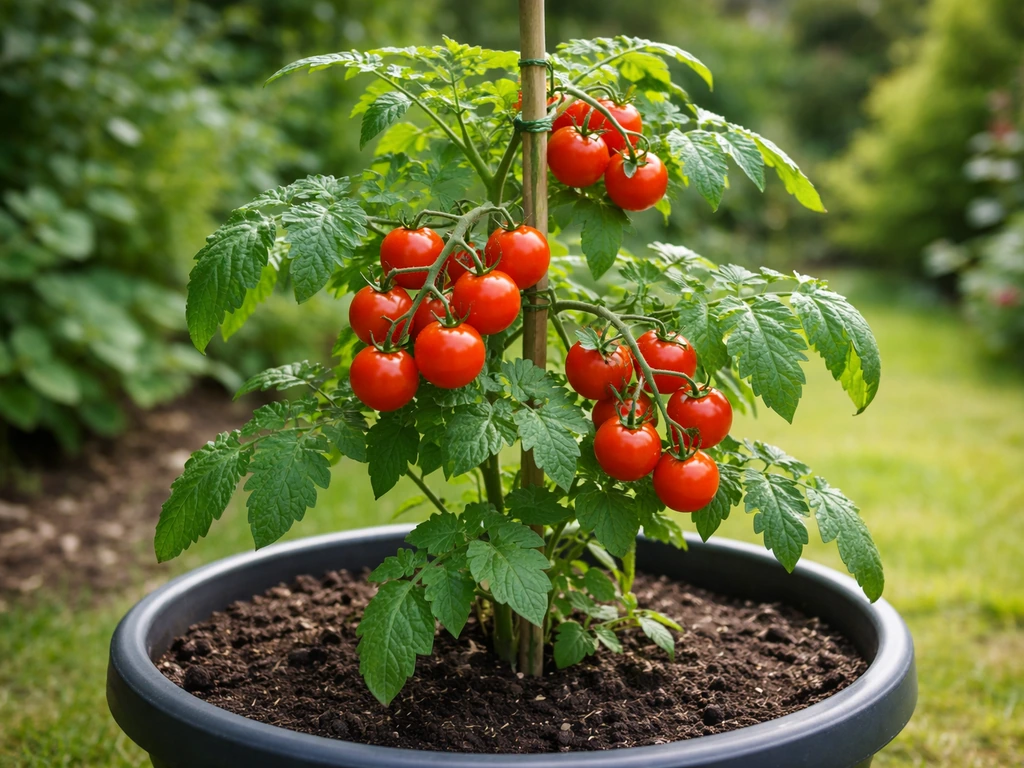
For gardeners with limited space and a sunny patio, cucamelons in containers alongside a grow bag of piccolo or cherry tomatoes is a genuinely productive combination that works well in UK conditions with minimal equipment, both crops have similar temperature and support needs and will be ready to harvest across the same summer window.
FAQ
Can you grow cucamelons in the UK?
Yes — with qualifications. Cucamelons (Melothria scabra) are tender, fast‑growing climbers that will fruit reliably in southern and sheltered parts of England when grown in a warm microclimate or under cover. In central England they are usually successful with early indoor sowing and protection (greenhouse/polytunnel or fleece/cloches). In northern England, Wales, Northern Ireland and much of Scotland they are more marginal outdoors; success there depends on a very sheltered, south‑facing site or growing under glass/polytunnel. In all regions, starting seed indoors with bottom heat and only planting out after all risk of frost has passed is essential for reliable results.
What are cucamelons and how do their heat needs compare with cantaloupe, honeydew and cucumbers?
Cucamelons are Melothria scabra, a small Mexican climber that produces olive‑sized, cucumber‑like fruits with a tangy flavour. Heat needs: cucamelons are tender like cucumbers — they need warm soil/air to germinate and set fruit, optimally c.20–24°C for seed starting and consistently warm summer temperatures for cropping. They are less heat‑demanding than cantaloupe/honeydew melons (those need higher day/night temperatures and longer heat spells to ripen) but similar to or slightly more tolerant than ordinary slicing cucumbers. This makes cucamelons a better choice than melons for much of the UK when given protection.
Verdict and suitability summary by UK region and microclimate
- Southern England (including milder coastal areas): Good prospects outdoors in sheltered sites; excellent under greenhouse/polytunnel. - Central England/East Anglia: Good with indoor start and season extension (polytunnel/large cloches). - Northern England, Wales, Northern Ireland, Lowland Scotland: Possible in sheltered, warm courtyards or under protection; outdoor riskier. - Scottish Highlands and very exposed sites: Not recommended outdoors; use greenhouse/polytunnel if attempted. Note: urban heat islands, south/west‑facing walls and sheltered courtyards often convert a marginal site into a suitable one.
When to sow and plant (precise timetable for UK zones)
Indoor sowing (recommended): Sow seeds April to early May in heated propagator or on a heated mat at 21–24°C. Expect germination up to 21 days. Grow seedlings at c.18–21°C and harden off in late May. Plant out only after last‑frost risk has passed (use local frost date): - Southern England: plant out late May–early June - Central England: plant out early–mid June - Northern areas/Scotland: wait late May–June or keep in greenhouse If using a greenhouse/polytunnel you can sow 2–4 weeks earlier and extend cropping later into autumn. Direct sowing outdoors is only advisable in very warm, sheltered soils after soil reaches c.18–21°C (usually mid/late June in much of the UK).
Greenhouse/polytunnel vs outdoor recommendations
- Greenhouse/Polytunnel: Best for reliability and earlier cropping. Start seed earlier, maintain 18–24°C for growth, ensure ventilation as weather warms, and encourage pollinators or hand‑pollinate if insects are absent. - Outdoors: Works in warm/sheltered south‑facing positions and courtyards; use cloches/fleece to protect transplants early and plant only after frost risk has gone. - Use fleece/cloches/black polythene to warm soil if you must plant earlier; fleece gives ~1–2°C overnight protection while cloches can raise soil temperature substantially.
Container growing and training advice
Containers: Use at least a 25–40 L container or a large growbag per plant. Use free‑draining, fertile compost or multi‑purpose compost improved with extra sharp sand or grit. Training: Provide a sturdy trellis, netting or canes 2–3 m high; plants climb vigorously and will produce more fruit if trained vertically to improve air flow and light. Position containers on a warm, sunny spot (south/west face) and water more frequently than in ground soil.
Next Article
Can You Grow Piccolo Tomatoes in the UK? A Guide
Yes. Learn how to grow piccolo tomatoes in UK with UK sowing, warmth, container care, and fixes for blight and low yield