Yes, you can grow honeydew melons in the UK, but you need to go in with clear eyes. Outdoors, without any protection, honeydew is genuinely difficult and often ends in disappointment. In a greenhouse or polytunnel, your chances improve dramatically. The short version: if you have a greenhouse and a sunny spot, go for it. If you're relying entirely on an open British summer, you'll be fighting the season from the start.
Can You Grow Honeydew Melons in the UK? How-To Guide
James Hartwell
17 Apr 2026
What the UK climate actually allows
Melons are heat-loving plants that originated in warm, dry climates. They need sustained warmth, long sunny days, and nights that don't dip below about 12°C to develop properly and ripen fruit. In most of the UK, that's a big ask. The RHS is pretty clear on this: only a handful of melon varieties are genuinely suited to outdoor growing here, and even those need a warm, sheltered spot and a decent summer to cooperate.
The south of England, especially the south coast and Thames Valley, gives you the best realistic outdoor window. You'll occasionally get summers warm enough to ripen a few fruits on a well-sited plant. Move north toward the Midlands and things get harder fast. The Met Office notes that in the Midlands, ground frost can technically occur at any time of year, even when air frosts are rare in summer. That kind of marginal climate is not what honeydew melons were designed for. In Scotland, northern England, and Wales, outdoor honeydew is essentially not viable without significant protection. Even in the south, you're gambling on the summer.
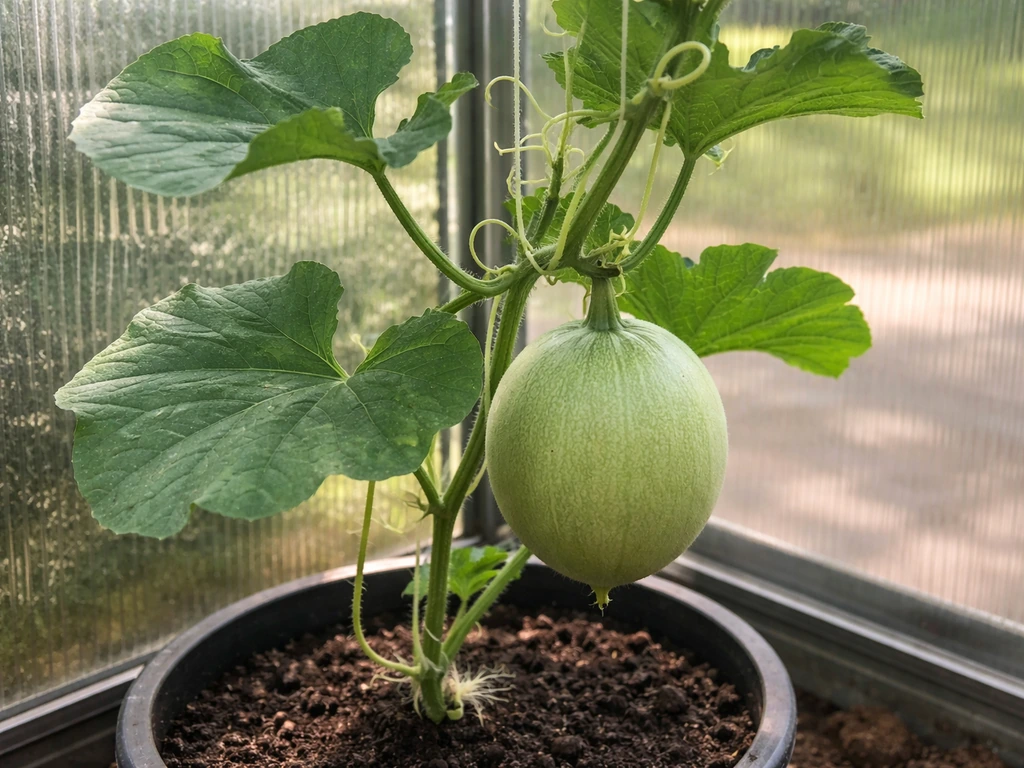
The greenhouse or polytunnel is where the game changes. Under cover, you have control over temperature, you can extend the season at both ends, and the RHS confirms you get a wider variety choice including both cantaloupes and honeydews. If you're serious about growing melons in the UK, a greenhouse is the realistic path to consistent results. Without one, treat the whole thing as an optimistic experiment rather than a reliable crop.
Picking the right variety for UK conditions
Variety choice is probably the single biggest factor in whether you get ripe fruit before October. Honeydew types generally need more warmth and a longer growing window than cantaloupe types, which is part of why the RHS recommends cantaloupe varieties for anyone growing outdoors. If you're outdoors or in a coldframe, leaning toward faster-maturing cantaloupe-type melons is genuinely sensible, and it's worth reading up on growing cantaloupe in the UK to understand what that category can realistically deliver.
For greenhouse growers who want a proper honeydew, look for varieties bred for shorter seasons or cooler conditions. The RHS Award of Garden Merit list includes 'Sweetheart' as a recommended melon variety, and it's a reliable starting point. Days-to-maturity matters enormously here: varieties that take 75 days or less from transplant to harvest are far more manageable in a UK season than ones expecting 90+ days of warm weather.
For seeds, the RHS notes they're widely available from garden centres and online suppliers, and grafted plants are also available by mail order from specialist online nurseries. Grafted plants offer better disease resistance and more vigour, which is worth paying for if you can find them. When buying seeds, check the packet description for any mention of cooler-climate performance or shorter maturity windows. Avoid varieties marketed purely for Mediterranean or American growing conditions without checking the maturity window.
Setting up your site: containers, ground, and shelter
Melons can be grown in greenhouse borders, large containers, growing bags, or a large coldframe. Each works, but each has trade-offs. Border growing gives the roots more room and generally produces bigger, more vigorous plants, but containers let you move plants if needed and are easier to manage feeding and drainage. A large container of at least 30–40 litres works well, and a growing bag is a reasonable budget option if you're just trialling one or two plants.
Sun is non-negotiable. You want the sunniest, most south-facing position you have, whether that's a greenhouse, a sunny wall with a coldframe, or a sheltered corner of the garden. Warmth trapped against a brick or stone wall can create a genuinely useful microclimate in southern gardens. Think about what other heat-hungry crops you've successfully grown in a spot before committing your melons to it. If you've had good results with growing cucumbers in the UK somewhere, that's a solid indicator the site has the warmth melons need.
Outdoors, shelter from wind matters as much as sun. Melons do not like being battered by cold wind, and even a warm June day can stall growth if the plant is exposed. A south-facing fence, wall, or windbreak makes a real difference. Low tunnels or cloches over outdoor plants can extend your effective season by two to three weeks at each end, which is meaningful when you're already stretching the UK climate to its limits.
Timing: when to sow, when to plant, and how to harden off
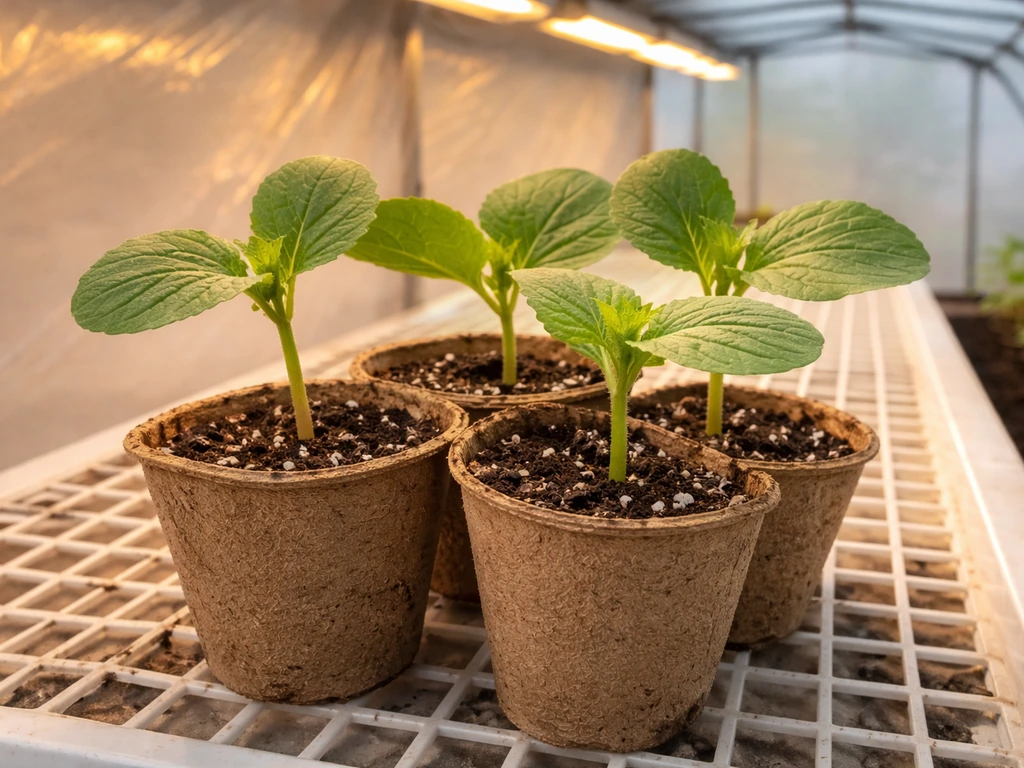
Sow seeds indoors in late April to early May. Any earlier and you risk plants getting too large and leggy before conditions are safe to move them on. Sow into small pots or modular trays using a good quality seed compost, and keep them somewhere consistently warm, ideally around 20–25°C. A heated propagator is ideal. Germination is usually fast in those conditions, often within a week.
Once seedlings are established and growing well, they'll need to be hardened off before going outside. The RHS recommends using a coldframe, mini-greenhouse, or cloches for this transition, getting plants gradually accustomed to outdoor temperatures before any final planting out. Don't rush this. Melons hate cold stress, and a chilled plant can sit and sulk for weeks rather than powering on.
For planting out, the RHS is clear: late May onwards for containers and protected spots, and not before early June for outdoor planting, and only when night temperatures are reliably above 12–15°C. In the south of England, early June is usually safe for outdoor planting in a sheltered spot. In the Midlands, you might be better waiting until mid-June or keeping plants under cover altogether. In northern England, Scotland, and most of Wales, the outdoor window is so tight that sticking with a greenhouse or polytunnel is the only realistic approach.
| Region | Earliest safe outdoor planting | Recommended approach |
|---|---|---|
| South coast / SW England | Late May to early June | Outdoor in sheltered spot or greenhouse |
| South-east / Thames Valley | Early June | Outdoor with cloches or greenhouse |
| Midlands / East Anglia | Mid June (if at all) | Greenhouse or polytunnel strongly recommended |
| Northern England / Wales | Late June (very marginal) | Greenhouse or polytunnel only |
| Scotland | Not viable outdoors | Greenhouse or heated polytunnel only |
Growing care: water, feed, training, and pollination
Watering and feeding
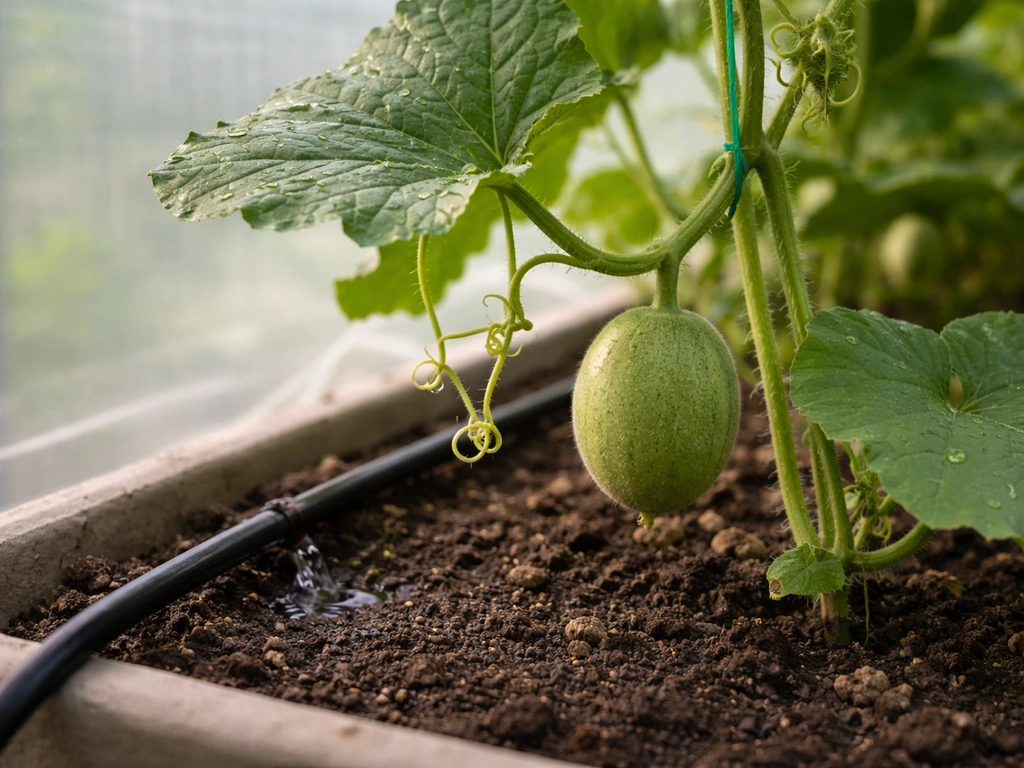
Melons need consistent moisture but absolutely hate waterlogged roots. Water regularly and deeply, but let the surface dry a little between waterings rather than keeping the compost constantly wet. In a greenhouse during hot spells you may need to water daily. In cooler stretches, back off. Inconsistent watering leads to split fruit and poor development.
Feeding matters once the plant is established. Start with a balanced general fertiliser to support leafy growth, then switch to a high-potash liquid feed (tomato feed works well) once flowers appear. Feed weekly once fruits are forming. Melons are hungry plants and will reward consistent feeding with better fruit development.
Training and pruning
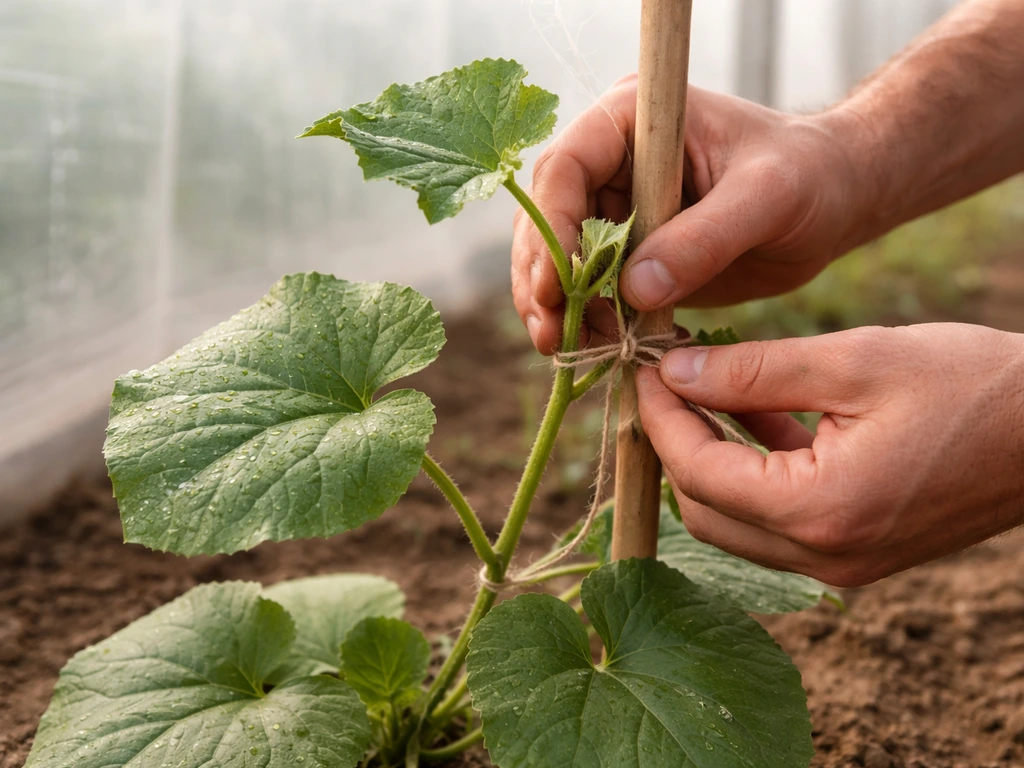
Training a melon plant is important for getting good fruit in a UK season. The basic approach is to pinch out the growing tip once the main stem has five or six leaves, which encourages lateral shoots to develop. These laterals are where the fruit will form. Once a lateral has a fruit developing on it, pinch out the tip of that lateral two leaves beyond the fruit. The idea is that all the plant's energy flows into the developing fruits rather than endless vegetative growth.
Aim for around four to six fruits on a greenhouse plant and no more than four on an outdoor plant. That's the realistic maximum that will ripen in a UK season. If you let more fruits set, you risk none of them reaching full ripeness before the season ends. Be ruthless about removing excess fruits when they're small. It feels wrong, but it produces better results.
In a greenhouse, train plants up canes or wires. As fruits develop and get heavier, support them in small nets or bags tied to the structure so they don't drag down or snap the stem.
Pollination and hand-pollination
Melon plants produce separate male and female flowers on the same plant. Female flowers have a tiny embryonic fruit at their base; male flowers do not. In a greenhouse, pollinating insects may not visit reliably enough, so hand-pollination is often worth doing. It's straightforward: pick a fully open male flower, peel back the petals to expose the pollen-covered stamens, and gently dab or rub it against the centre of an open female flower. Do this on a warm morning when the flowers are fully open. Repeat across two or three flowers on the same day if you can. This is one of those small steps that makes a surprisingly big difference to fruit set, especially in a closed or partially closed greenhouse.
Outdoors, bees and other pollinators usually do the job if conditions are warm enough for them to be active. On cool, cloudy days, insects aren't flying much, and this is another reason why a run of poor summer weather can result in very few fruits setting even on a healthy-looking plant.
Pests, diseases, and why UK attempts often fail
Powdery mildew is the most common disease problem you'll face. The RHS also describes powdery mildew as a foliage disease, and notes that good cultivation and hygiene are key first-line controls. It appears as a white powdery coating on the leaves, and while it won't kill the plant outright, a severe infection weakens growth significantly and reduces fruit quality. Powdery mildew is particularly common in warm, dry conditions with poor air circulation, which ironically describes a closed greenhouse in high summer. Keep the greenhouse ventilated, avoid wetting the foliage when watering, and remove affected leaves promptly. The RHS lists powdery mildew as a known susceptibility for Cucumis melo plants in UK growing conditions.
Downy mildew is a separate problem, caused by a different pathogen, and tends to show up as yellowing patches on the upper surface of leaves with a grey or purple downy growth underneath. It's harder to spot on melons than on some other cucurbits, but if you see unusual leaf discolouration, examine the undersides carefully. Good ventilation and avoiding overhead watering help reduce the risk.
Cucumber mosaic virus is another risk flagged by the RHS for melon plants in UK conditions. It's spread by aphids, so keeping on top of aphid populations matters. Symptoms include mosaic patterning or distortion on leaves and stunted growth. There's no cure, so infected plants should be removed to prevent spread. Red spider mite is a common greenhouse pest that loves warm, dry conditions; keep humidity up a little and check the undersides of leaves regularly.
The most common reason UK attempts fail, though, isn't pests or disease. It's simply cold and lack of sun. A cool, cloudy July and August is enough to stall development and leave you with unripe fruit at the end of September. Poor pollination due to low insect activity in cool spells is the second most common issue. Then there's over-watering in cool periods, which causes root problems and poor growth. The good news is all of these are manageable with the right setup and attentive growing.
Slugs and snails can damage young plants after transplanting, especially outdoors. Protect newly planted seedlings with collars or use slug pellets approved for use around edibles. Once plants are established and growing vigorously, they're less vulnerable.
How to tell when your honeydew is ripe and what to expect
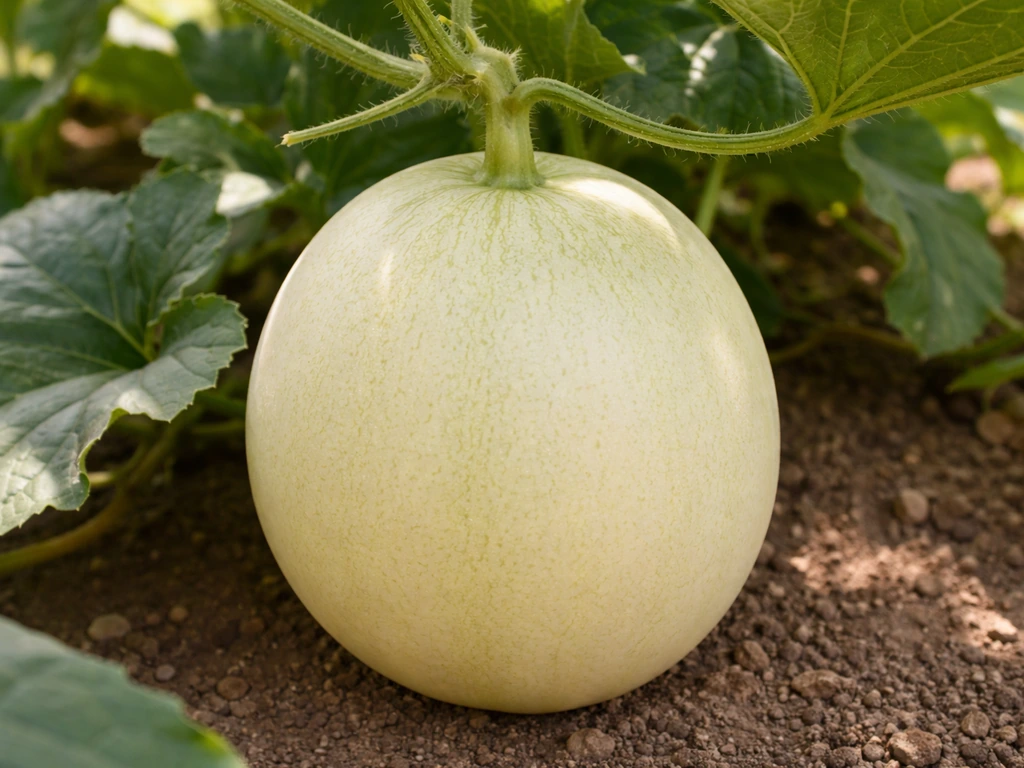
Honeydew ripeness is genuinely tricky to judge, which catches a lot of growers out. Unlike cantaloupe and muskmelon types, honeydew does not 'slip' cleanly from the stem when ripe. You can't use the classic "give it a tug" test. The main ripeness indicator is a slight softening of the blossom end of the fruit (the end opposite the stem). Press it gently with your thumb and you're looking for a little give, not the firmness of an unripe fruit. The skin of a ripe honeydew also often takes on a slightly waxy or creamy appearance and may shift from green toward pale yellow or cream, depending on variety.
The scent is another useful guide. A ripe honeydew will give off a sweet, faintly floral fragrance near the blossom end. If there's no smell, it's not ready. You'll also need to factor in time from flowering: honeydew and other winter-type melons generally need at least 45 days from successful pollination to reach harvest readiness, and that assumes consistently warm conditions. In a UK greenhouse, expect this to take longer in cooler spells.
Once picked, honeydew does not store for long. UC Davis postharvest research puts the keeping period at no more than 14 days under good conditions, and surface mould becomes a risk if humidity is high. Store ripe honeydew at cool room temperature rather than in the fridge if you plan to eat it within a day or two. If the fruit needs a little more ripening after picking, leave it at room temperature and check daily.
On yield: be realistic. Four to six fruits per greenhouse plant is the target, up to four outdoors. In a poor summer, you may get fewer ripe fruits even from a well-managed plant. In a good summer with a warm greenhouse, four reasonably sized melons from a single plant is a genuinely satisfying result. Don't expect supermarket uniformity; UK-grown honeydew will vary in size and sweetness depending on what the season threw at you.
Is it worth it compared to easier crops?
Melons are at the challenging end of what you can grow in the UK, but they're far from the only cucurbit worth attempting. If you're newer to growing heat-loving crops under cover, getting comfortable with something like cucamelons in the UK first is a low-effort way to build confidence with the family before committing a heated greenhouse bay to melons. Cucamelons are far more forgiving of British conditions and still give you the satisfaction of an unusual crop. Similarly, if you're working with a greenhouse and already growing piccolo tomatoes, you already have the warm, sunny setup that melons need.
Honeydew melons in the UK are absolutely achievable with the right setup, the right variety, and a decent summer. They're not a beginner crop and they won't succeed on neglect, but for a gardener with a greenhouse who's willing to hand-pollinate, manage feeding carefully, and cross their fingers for a warm July, there is a genuine chance of pulling ripe fruit off the vine. That's a pretty good feeling.
FAQ
If I have a greenhouse, will I actually get ripe honeydew in the same year, or is it often a long wait?
A good rule is to plan for trial rather than expectation. In a UK greenhouse, you can usually get ripe honeydew in the same year as transplant, but only if you start with young plants (transplant in late spring), choose a shorter days-to-maturity variety, and hand-pollinate in a warm morning window when flowers are fully open.
What’s the minimum temperature I should worry about for honeydew ripening in a UK greenhouse?
If night temperatures regularly dip below about 12°C, expect flowering and ripening to stall, even under glass. A practical option is using a thermostatically controlled heater or placing the plants in the warmest bay and adding extra insulation at night (bubbles, fleece, or using a mini-cloche inside the greenhouse for the first weeks).
Can I rely on natural pollination in a greenhouse, or should I always hand-pollinate?
Yes, but it changes the work. In cooler weather, greenhouse honeydew often sets poorly without help because pollinating insects may not be active. Hand-pollinate even if you see a few insects, and keep ventilation balanced so flowers dry naturally without turning the greenhouse too cold.
How can I avoid problems if I go away for a few days in summer?
It helps, because stress can interrupt fruit development. Use mulch (in containers, a thin top layer) to prevent rapid swings in soil moisture, and try not to let the compost dry out completely. If you must miss a few waterings, resume with deep watering rather than frequent small doses.
How do I know whether I’m overwatering honeydew in a UK greenhouse?
Overwatering during cool spells is a common failure mode. Instead of watering by calendar, check the top few centimetres of compost, water only when it begins to dry, and ensure containers have plenty of drainage and never sit in a saucer of water.
When should I start switching from balanced fertiliser to tomato feed for honeydew?
Yes, but the timing matters. Apply high-potash feed once you see flowers (and ideally after you confirm fruit set), then keep feeding weekly while fruits are enlarging. Stop or ease feeding late in the season because too much nitrogen can encourage leaves instead of ripening.
What’s the most common mistake with training and pinching honeydew vines in the UK?
If you pinch too late, you may end up with too much vegetative growth and not enough time for fruit to ripen. Stick to the approach in the guide, but be extra strict outdoors or in marginal summers, and remove excess laterals early rather than waiting for them to flower.
Are grafted honeydew plants actually better for UK conditions, or can I stick to regular plants?
Grafted plants can be worth it if you have had issues with soil health or cucurbit diseases before, or if you want a faster, more vigorous start. If you are growing in fresh potting compost in a greenhouse and you’re careful with ventilation and hygiene, nongrafted can still work, but grafted plants usually give you more margin for a mediocre summer.
How many honeydew fruits should I keep if my summer looks poor, and should I remove weak ones?
A typical strategy is to start with fewer fruits but larger targets. If you’re aiming for the most reliable ripeness, keep to the recommended maximum, remove weak or badly formed fruits early, and prioritize fruits that are developing on the best-positioned laterals closest to good light.
What’s the best way to tell if honeydew is ripe when the skin colour isn’t changing much?
Yes. Don’t trust colour alone, because some varieties can stay greener than expected. Use the blossom-end give test plus smell (a sweet, faint fragrance near the blossom end). If it smells but still feels firm, check again in 24 to 48 hours rather than picking too early.
How should I store honeydew after picking if it’s slightly under-ripe?
Once a honeydew is picked, you cannot force full sweetness for long periods. For best flavour, eat within a day or two if it is already ripe, or leave briefly at room temperature only until it shows the right give and scent, then refrigerate only after it is fully ripe.
What should I do first if my greenhouse honeydew gets powdery mildew?
Yes, and it’s usually a spacing and airflow problem. Powdery mildew risk increases when leaves are too dense and when humidity is high with poor circulation. In practice, keep training tidy so leaves don’t crowd, ventilate regularly, and remove heavily affected leaves early before the infection spreads.
If I suspect cucumber mosaic virus, what’s the safest next step for the rest of my greenhouse?
If you see mosaic patterns or significant distortion, remove the plant promptly to avoid spreading aphids and the virus. Then focus on aphid control on nearby plants, and don’t reuse contaminated compost or tools without cleaning, because cucurbits can be quick to reinfect via aphids.
Next Article
Can You Grow Tiger Nuts in the UK? Practical Guide for Gardeners
Can you grow tiger nuts in the UK? Practical, regional guide with planting dates, containers, harvest & recipes.