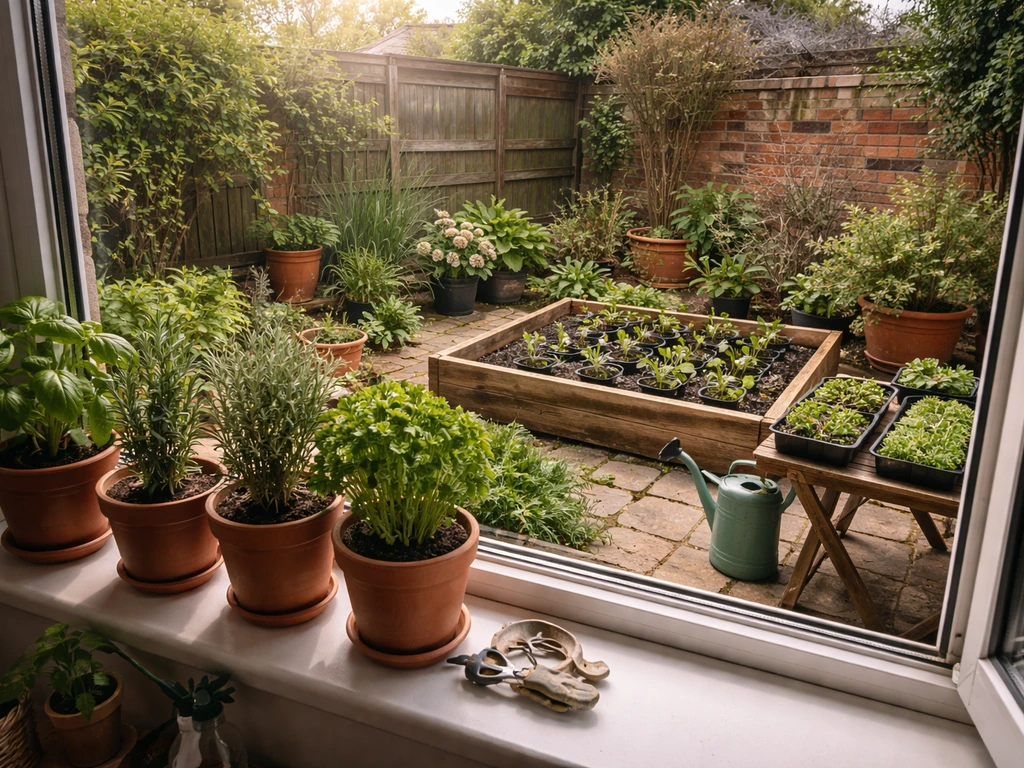
The best perennials to grow from seed in the UK are ones that are genuinely reliable, not just theoretically possible. That means plants like aquilegia, echinacea, hardy geraniums, lupins, verbascum, geum, and hellebores. These all germinate reasonably well under UK conditions without needing specialist equipment, and most of them will flower within one to two seasons. A few, like hellebores, take more patience, but they are absolutely worth starting from seed if you go in with the right expectations.
Best Perennials to Grow From Seed in the UK
James Hartwell
24 Mar 2026
How to choose the right perennial for UK seed starting
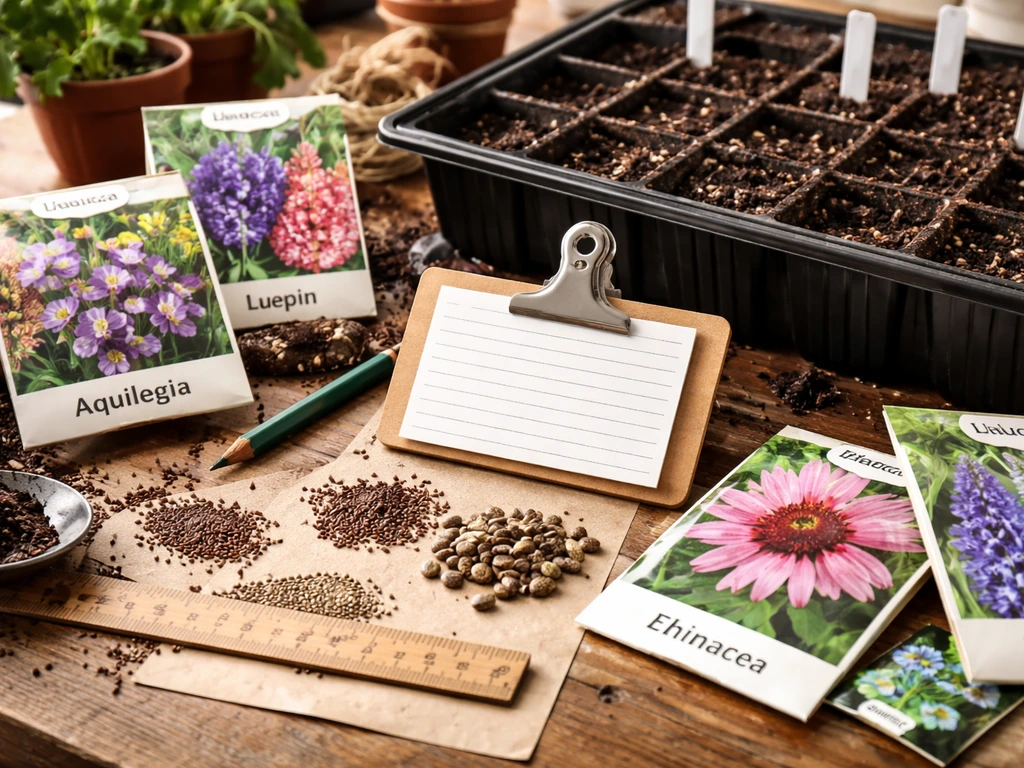
Not every perennial on the seed rack is a sensible candidate for starting from seed. Some are technically possible but take three or four years to flower, or need temperature conditions most UK home gardeners cannot easily replicate. When I am helping someone pick what to sow, I focus on three questions: Does it germinate reliably at modest temperatures? Will it flower within two growing seasons? And is it genuinely hardy in typical UK winters without pampering?
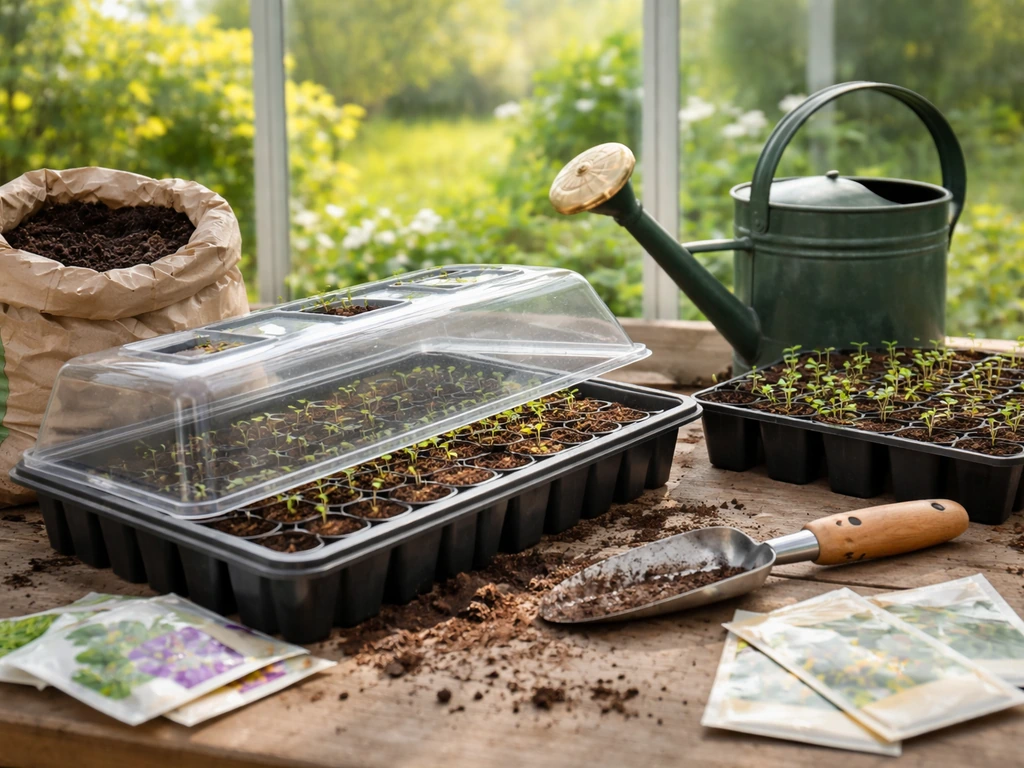
Hardy perennials suited to UK conditions generally need a germination temperature of around 16 to 18°C, which is achievable on a warm windowsill or in a propagator in late winter and spring. Tender or half-hardy perennials often need 21°C or more and are a different project entirely. Stick to fully hardy species (RHS H5 or H6 ratings) if you want plants that will survive outdoors year-round without much fuss, especially if you are gardening in the Midlands, the North, or Scotland where winters are harsher.
Some perennials also need a period of cold stratification before they will germinate. This is not a problem, but it does change your timing and method. Knowing which category your chosen plant falls into before you start saves a lot of frustration. If you are new to seed-sowing, begin with the easy wins: aquilegia, lupin, and hardy geraniums are forgiving, fast, and rewarding.
Best perennials to grow from seed in the UK (reliable picks)
Here is a shortlist of perennials that I would genuinely recommend to UK gardeners starting from seed in the best perennials to grow from seed in the UK (reliable picks).
| Perennial | Sowing method | Time to flower | Notes |
|---|---|---|---|
| Aquilegia (columbine) | Surface sow, no cover, needs light | Year 1–2 | Very easy; self-seeds once established |
| Lupin (Lupinus) | Soak seed overnight, sow 6mm deep | Year 1–2 | Chip hard seed coat if soaked seed doesn't swell |
| Echinacea (coneflower) | Surface sow or light cover; may need cold stratification | Year 2 | Worth the wait; drought-tolerant once established |
| Hardy geranium (Geranium) | Sow 3–5mm deep; some need stratification | Year 1–2 | Some species flower year one, others take two years |
| Verbascum (mullein) | Surface sow, needs light | Year 1–2 (biennial types faster) | Thrives in well-drained soils across UK |
| Geum | Surface sow or light cover at 16–18°C | Year 1–2 | Good reliability; suits most UK soils |
| Hellebore (Helleborus) | Sow fresh on grit-covered compost; cold stratification needed | Year 2–3+ | Slow but low-cost way to build a large collection |
| Allium (ornamental) | Cold, moist stratification required | Year 2–3 | Sow fresh in autumn for best results |
| Knautia macedonica | Cold stratification helps; can autumn sow outdoors | Year 1–2 | Excellent for pollinators; tough in UK conditions |
| Heuchera | Surface sow, needs light, no cover | Year 2 | Fine seed; do not cover or germination fails |
Lupins and aquilegia are genuinely the easiest starting points. If you also want ideas beyond perennials, you can use this same UK-focused approach to compare the best squash to grow in uk for your conditions. If you have never grown perennials from seed before, begin with those two and you will almost certainly get results. Echinacea and hellebores are worth doing once you are comfortable with the process, but manage your expectations on timing. Hardy geraniums sit in the middle: most species germinate well, and while some will flower in their first year, others take a second season, so do not write them off if they are slow out of the gate.
Perennial seed types: cold stratification, darkness, and sowing depth
This is where a lot of people go wrong, and it is genuinely the most important thing to understand before you sow. Perennial seeds are not like annual vegetable seeds. Many of them have built-in dormancy mechanisms that stop them germinating at the wrong time of year. In the wild, this protects them from germinating in autumn only to be killed by winter. In your seed tray, it just looks like failure.
Cold stratification: what it is and when you need it
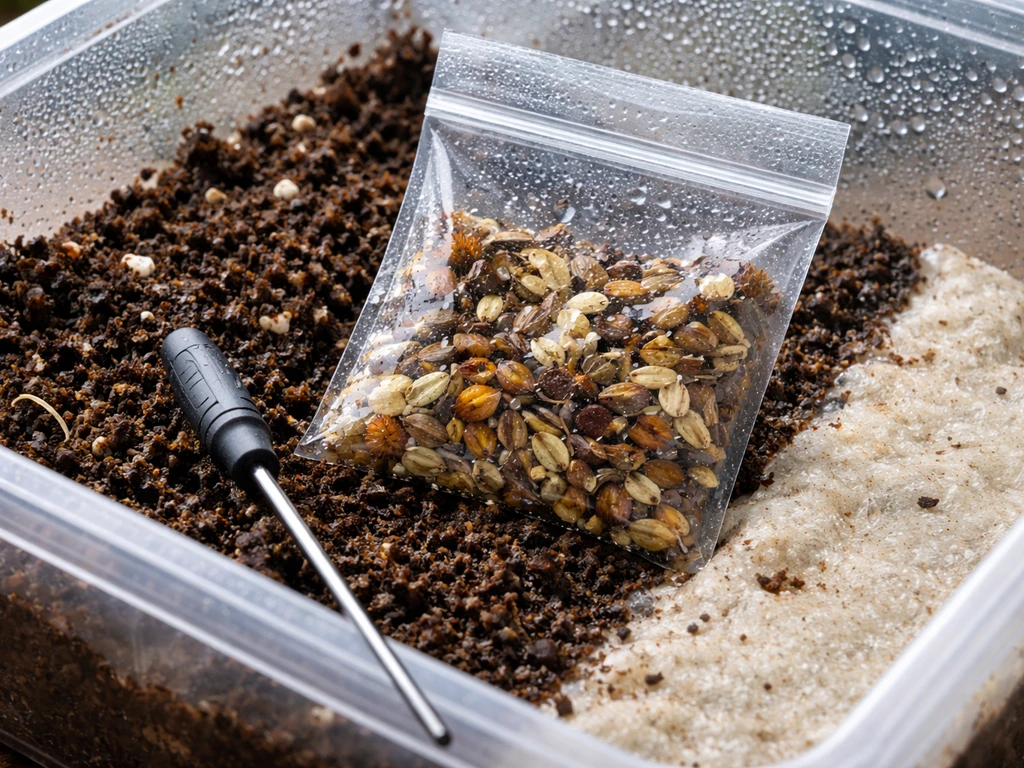
Cold stratification means giving seeds a period of cold, moist conditions to break their dormancy. Allium and Knautia are good examples of genera that need it. Hellebores need it too. The method is straightforward: sow the seed onto moist compost, place the pot or tray in a cold frame or unheated greenhouse over winter, then bring it into warmth (around 18°C) in late winter or early spring. Alternatively, you can mimic this artificially by placing moistened seeds between damp paper in a sealed bag in the fridge for four to six weeks, then sowing.
One important detail from Thompson and Morgan: the beneficial effects of cold stratification are lost if the seed is not exposed to light immediately after the chilling period. So do not pre-chill your seed and then leave it in a dark cupboard to sow later. Move it into light and warmth straight away. Also, the seed must stay moist during chilling but must not sit in water, which will harm it.
Light requirements: surface sow or cover?
Some perennial seeds need light to trigger germination. Aquilegia, heuchera, and verbascum are all in this camp. For these, you surface sow onto moist compost and do not cover with compost at all. A light cover of vermiculite is sometimes used to help retain surface moisture without blocking light. Aquilegia is explicit on this: do not cover the seed and do not exclude light.
For hellebores, Thompson and Morgan's wholesale guidance recommends covering fresh seed with 3 to 5mm of coarse grit rather than compost. The grit holds moisture and prevents the seed drying out while still allowing some light through, and it also reduces the risk of moss or algae establishing on the compost surface while you wait through stratification.
Sowing depth for outdoor sowings
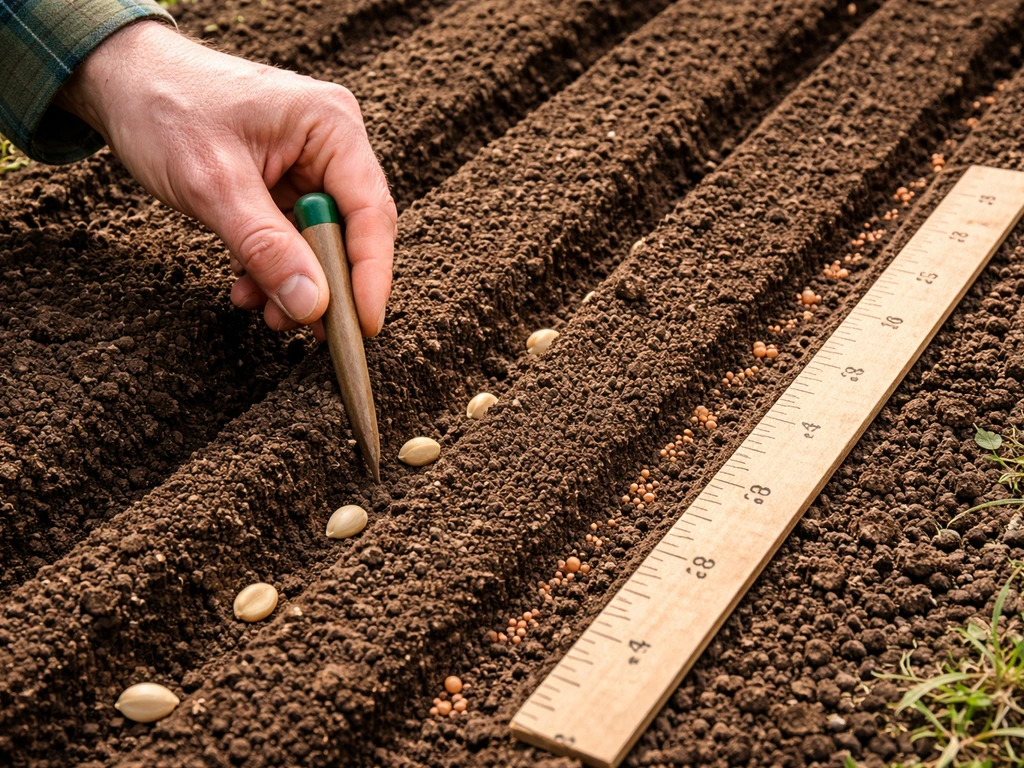
For outdoor direct sowings, the standard rule is to sow at roughly two to three times the diameter of the seed. A large lupin seed goes in at around 6mm deep. A tiny aquilegia seed stays on or just below the surface. Always follow the specific guidance on the packet if it is given, since the RHS backs up this approach and it beats guessing. After covering, firm the soil down to improve seed-to-soil contact, which matters more than most people realise.
Timing and seasonal sowing plan for UK conditions
Timing is where UK gardeners need to think regionally, not just follow the calendar. A late February indoor sowing in Cornwall is sensible. The same sowing in Aberdeen needs to wait another three to four weeks, or you will have seedlings ready to go out when it is still too cold. Here is a practical seasonal framework for most of the UK, with notes on where northern or upland conditions change things.
| Season / Period | What to do | Regional notes |
|---|---|---|
| Autumn (Sept–Nov) | Sow hellebores, alliums, knautia direct into cold frames or outdoors; these need a cold winter to germinate in spring | Across most of UK; Scotland and upland areas are actually well suited here |
| Late winter indoors (Jan–Feb) | Sow aquilegia, lupin, geum, verbascum under glass at 16–18°C on a warm windowsill or in a propagator | Southern England and Wales can start late Jan; Midlands and North wait until Feb |
| Early spring indoors (Feb–Mar) | Continue indoor sowings; pot on anything germinated in Jan; harden off begins from March in mild areas | Scotland and upland areas: push indoor sowings to March to avoid leggy seedlings waiting too long to go out |
| Spring outdoors (Apr–May) | Direct sow lupins and hardy geraniums once soil has warmed and is workable; transplant hardened-off seedlings | Wait until soil temperature is reliably above 10°C; later in Scotland and the North |
| Summer (June–July) | Sow biennials and some perennials for next year (verbascum, hellebores); maintain young plants from spring sowings | UK-wide; good time to sow hellebores fresh from seed if you have them |
The key point Chiltern Seeds makes is that outdoor sowings should not start until the ground is genuinely workable and starting to warm after winter, so it fits well with whether what do UK farmers grow. If you are wondering whether people in your country grow plants at home, that local context can help you choose the right sowing approach and timing do people in your country grow plants at home. In practice, this means April at the earliest across most of the UK, and May in Scotland and exposed northern gardens. Trying to direct sow into cold, wet, compacted soil in March almost always results in rotted seed and wasted effort.
Growing-on: potting, pricking out, hardening off, and transplanting
Getting seeds to germinate is only half the challenge. The growing-on phase is where many batches of perennial seedlings are lost, and it is worth being methodical here.
Pricking out

Prick out seedlings once they have germinated and their seed leaves (cotyledons) are strong enough to handle without tearing. The RHS recommends moving them into module trays filled with potting compost, burying the seedling up to its seed leaves to give it good contact with fresh compost. Handle seedlings by a leaf, never by the stem, because the stem is easily damaged and a crushed stem kills the plant. A pencil or dibber is more accurate than fingers for making the holes.
Potting on
Once seedlings have filled their module cells with roots and are growing strongly, move them into individual 7cm or 9cm pots. Perennials grown from seed in late winter will typically be ready for this step by April or May. Do not rush to put them into large pots, as too much compost volume around a small root system tends to stay wet and can cause rotting.
Hardening off
Hardening off is non-negotiable for UK conditions. Plants raised on a warm windowsill or in a heated propagator have soft, thin leaves that cannot cope with wind, full sun, or cold temperatures without a transition period. The RHS recommends two to three weeks of gradual acclimatisation, and if your indoor growing conditions were particularly warm, allow even longer. Start by putting plants outside in a sheltered spot for a few hours on mild days, then increase the time outside over the following weeks. A cold frame is ideal for this. Do not skip hardening off because a late cold snap in April or May (which is very common across much of the UK) will set plants back severely.
Transplanting out
Plant out after the last frost date for your area and once plants are properly hardened off. In southern England, this is often mid-April to early May. In the Midlands and Wales, late April to mid-May. In Scotland and exposed northern areas, wait until late May. Plant into well-prepared ground, water in well, and label your plants. First-year perennials look deceptively small and are easy to weed out accidentally if you forget what is in the ground.
Common failures and troubleshooting
Seeds not germinating
The most common cause is skipping cold stratification for species that need it. Hellebores, alliums, and some hardy geraniums will simply sit there doing nothing if they have not had their cold period. The second most common cause is sowing too deep, particularly with fine seeds like heuchera or aquilegia that need light to germinate. If you have been waiting more than six weeks and have double-checked stratification requirements, try gently pressing the compost surface to ensure good contact, and consider whether your germination temperature is too low or too high.
Damping off
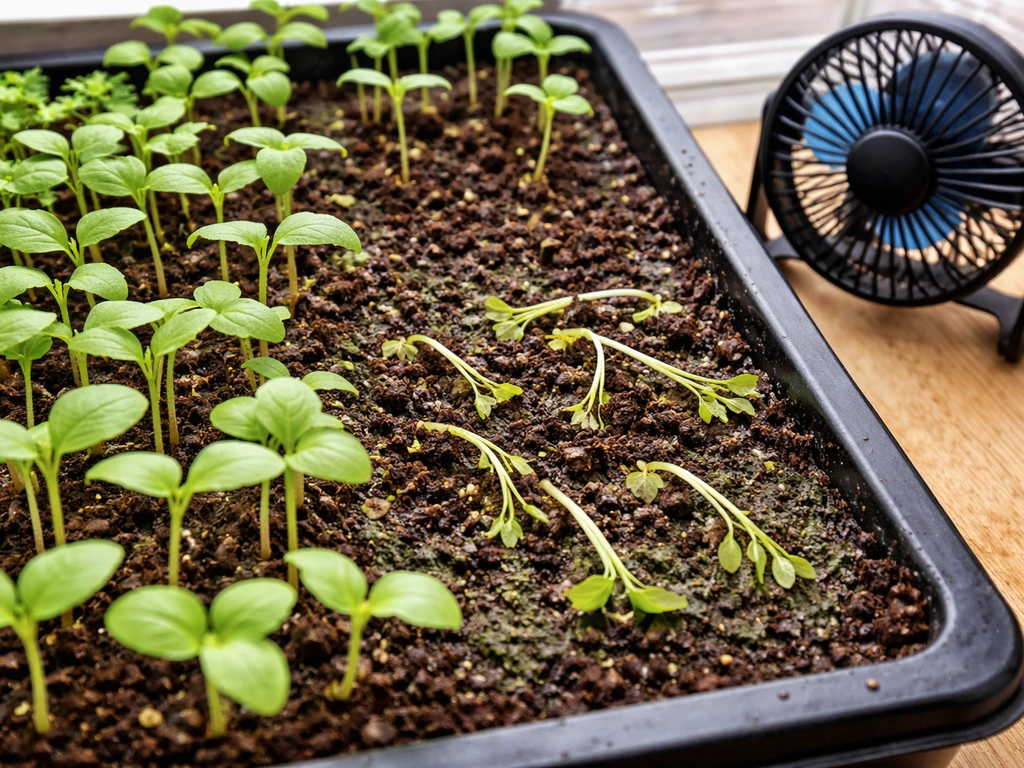
Damping off is a fungal disease (and sometimes caused by fungus-like organisms) that collapses seedlings at soil level. It kills quickly and spreads through a whole tray. The RHS identifies it as one of the most common seedling diseases. BBC Gardeners' World is clear on prevention: always use fresh, new seed compost. The pathogens that cause damping off can persist in old compost and on previously used pots and trays, so wash your equipment and never reuse old compost from previous sowings. Improve air circulation, avoid overwatering, and do not let trays sit in standing water. If it hits, remove affected seedlings immediately and improve ventilation.
Uneven or patchy germination
This often happens with surface-sown seeds if the compost surface dries out unevenly. Covering the tray with a plastic propagator lid or a sheet of glass until germination begins helps maintain even moisture. Once you see the first seedlings emerging, remove the cover to prevent the damp, warm conditions that encourage damping off. Uneven germination can also result from inconsistent temperatures, so placing trays on a heated propagator mat rather than relying on ambient room temperature helps a lot.
Slow or leggy growth
Leggy seedlings stretching towards the light are almost always a sign of insufficient light, not too little heat. Move trays to your brightest windowsill, or consider using a basic grow light if you are sowing in January or February when UK daylight is genuinely short. Slow overall growth in the weeks after germination is normal for many perennials, especially those that put energy into root development first. If growth really has stalled, check whether the seedlings have exhausted their module's nutrients and need potting on.
Knowing when to pot on or plant out
A simple check: if roots are visible through the drainage holes of the module or pot, it is time to move up a size. For planting out, the combination of frost risk passing and the plant being properly hardened off is the signal, not just the date. If in doubt, keep the plant in a cold frame for another week rather than rushing it into an exposed border.
Aftercare and long-term establishment
Watering in the first season
First-year perennials from seed have limited root systems and need more consistent watering than established plants. Water deeply and less frequently rather than giving a little every day, which encourages surface rooting. In the UK, summer rainfall is often enough to keep things going in northern regions, but gardens in the South and East may need supplementary watering during dry spells, particularly for plants in free-draining soil.
Feeding
Most hardy perennials do not need heavy feeding, and over-feeding with high nitrogen fertilisers produces lush, soft growth that is more susceptible to pests and less hardy over winter. A balanced, slow-release granular feed worked into the planting hole is usually enough for the first season. In subsequent years, a top-dressing of garden compost in spring is generally all most perennials need.
Overwintering young perennials
The first winter is the riskiest for perennials grown from seed that year, especially in colder parts of the UK. Young plants have smaller root systems and less established crowns than bought plants. In Scotland, northern England, or exposed sites, consider keeping the most vulnerable plants in a cold frame or unheated greenhouse for their first winter rather than leaving them in open ground. A mulch of bark chippings or well-rotted compost around the crown provides insulation without smothering the plant. Mark the positions clearly so you do not disturb crowns before growth emerges in spring.
Flowering expectations and patience
Most perennials grown from seed will not flower in their first year. That is normal and expected. Aquilegia and lupin are among the faster ones and may flower in year one if sown early enough. Hardy geraniums vary by species, with some flowering year one and others taking a second season. Hellebores are the longest-term commitment, often taking two to three years from seed to first flower. The reward for waiting is a large number of plants at very low cost, which is why seed-grown hellebores are so popular once gardeners have done it once. Keep the faith with slow starters and resist the temptation to compost them.
If you are based in Scotland or want to understand how regional growing conditions affect your perennial choices more broadly, it is worth looking at [what can you grow in scotland] before committing to a large sowing. Heather can be a good option for Scottish gardens, but whether it grows well depends on matching the plant to your soil type and exposure. what can you grow in scotland The further north you garden, the more the first-winter protection advice above applies, and the more your transplanting dates shift towards late May and June.
FAQ
Can I use any perennial seed compost and reuse my trays from last year?
Use fresh, sterile seed compost for sowing, because damping off organisms can persist in old mix. You can reuse rigid trays if you scrub them thoroughly and disinfect them, but avoid reusing old compost. Also replace domes and propagator lids if they have algae buildup, since it can keep surfaces too humid.
How do I know whether my plant needs cold stratification, or whether it will germinate without it?
Check the packet for “cold stratify”, “chilling”, or “winter sowing”. If it is not stated, look for genus-specific notes, for example hellebore, allium, knautia, and many woodland types often need chilling. When in doubt, do a short test batch, because trying to germinate a stratification-required seed at warmth will often stall indefinitely rather than fail quickly.
My seeds germinated unevenly. What should I do after the first seedlings appear?
Remove covers or lids as soon as seedlings start to emerge, so the surface does not stay warm and saturated. Thin out the weakest seedlings once there are true leaves, and keep moisture even across the tray. If only one corner germinated, rotate trays daily and consider a more consistent heat source like a mat.
Do I need to surface-sow light-requiring seeds, or is a light cover still OK?
For seeds that require light, a true surface sow is safest, do not bury them. If the packet allows a dusting, use a very fine, minimal covering such as vermiculite, and keep it thin enough that light can reach the seed. For aquilegia, verbascum, and heuchera, avoid compost coverage unless the packet explicitly says otherwise.
What is the best depth for sowing if I do not know the seed size?
Use the “two to three times the seed diameter” rule only when you can estimate seed size, otherwise follow the packet. Fine seeds like heuchera and aquilegia should be on the surface or almost so. If you are unsure, err shallow rather than deep, because deeper sowing delays germination and increases rot risk in damp UK conditions.
Can I sow outdoors straight into the border instead of starting in modules?
You can, but it is higher risk in the UK because cold, wet, or compacted soil can rot seeds. If you direct sow, prepare a fine tilth, keep the area evenly moist, and use fleece or cloches to prevent heavy rain crusting. Modules reduce loss, especially for slow germinators or light-sensitive seeds.
Do I need a grow light in winter, or is a windowsill enough?
A bright windowsill can be enough for many sowings if it faces south or west and receives strong daylight. If seedlings stretch or lean, light is the issue, not heat. In January or early February, a basic grow light set on a timer helps keep growth compact, and you can reduce leggy growth without increasing fertilizer.
Why are my seedlings leggy even though I heated them?
Legginess usually means insufficient light. Increase light intensity and shorten the time plants spend stretching, keep the tray closer to the light source, and reduce overwatering so seedlings do not become soft. If using a propagator mat, keep it modest and focus on light once germination starts.
When should I pot on from modules, and how big should the first pot be?
Pot on when roots visibly fill the module cells or start to circle. Start with a small pot, typically 7 cm or 9 cm for most perennials, because large pots hold too much wet compost around small roots. If you pot up too early, you increase the chance of rot and damping off lingering in the compost.
Do seed-grown perennials need feeding, and what fertilizer should I use?
Most hardy perennials need minimal feeding in the first season. If you want to feed, use a balanced fertilizer at low strength once seedlings are established and growing strongly, not right after germination. Avoid high nitrogen feeds, they can cause soft growth that is less resilient in winter and more prone to pests.
How do I protect the most vulnerable plants through their first winter in the UK?
For borderline hardy or fragile seedlings, the first winter matters most. Consider keeping them in a cold frame or unheated greenhouse during the coldest months in Scotland, northern England, or exposed sites. Insulate around the crown with a breathable mulch like bark chippings or well-rotted compost, and avoid piling mulch against the crown where rot can start.
If my seedlings do not flower, how long should I wait before I assume something went wrong?
For many perennials, no flowering in year one is normal. Fast starters like lupin or aquilegia can flower if sown early enough, while hellebores often take two to three years. Before discarding plants, confirm you met stratification and light requirements, then check that hardening off and planting dates were not so early that winter damage occurred.
Next Article
Do People in Your Country Grow Plants at Home UK Guide
UK reality check on growing plants at home, what people grow, beginner starter plans, and tips for light, pests, and tim