Baobab trees can grow in the UK, but not outside in the ground, not reliably, not even in Cornwall. What actually works is growing them as container plants indoors, in a conservatory, or in a heated greenhouse where you can keep temperatures above 10°C through winter. Think of a baobab in the UK less like a garden tree and more like a large, extraordinary houseplant that needs a serious amount of light and a strictly dry winter rest. Done right, it's genuinely achievable and rewarding. Done wrong, it rots or freezes within its first British winter.
Can Baobab Trees Grow in the UK? Indoor Guide to Success
James Hartwell
29 Jun 2026
Why the UK climate is the main obstacle
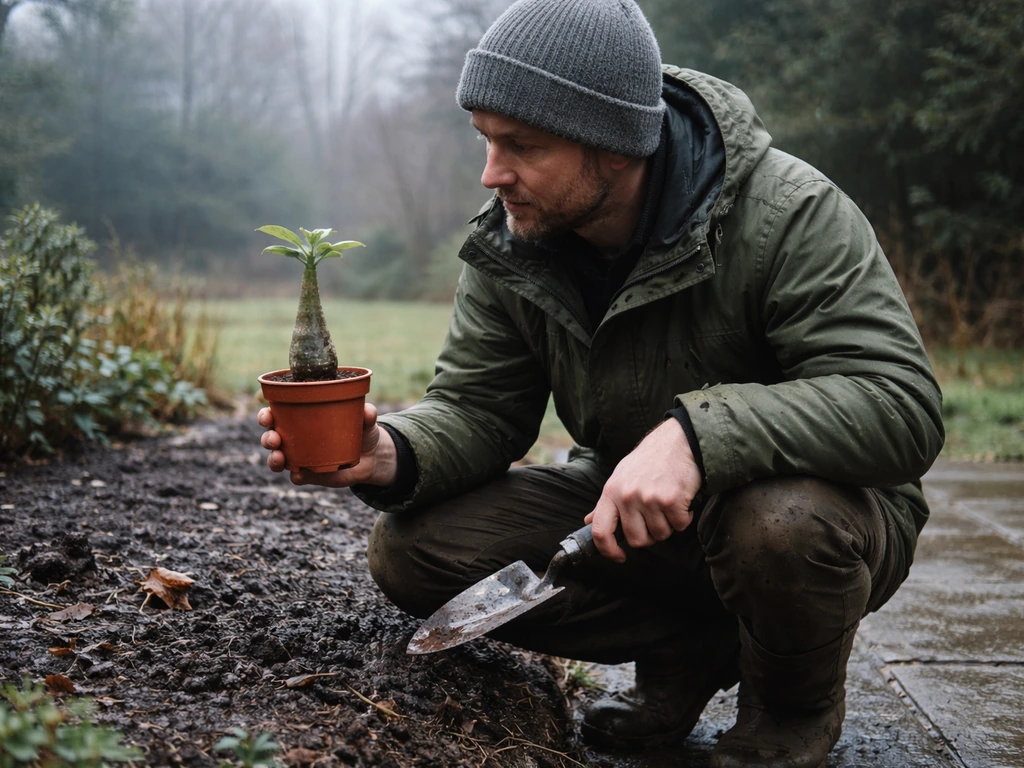
Baobabs are native to sub-Saharan Africa and Madagascar, where dry seasons are long, winters are warm, and frost simply doesn't happen. The UK is almost the opposite on every count. Average winter temperatures across most of Britain drop well below the baobab's hard limit of blank" rel="noopener noreferrer">10–13°C, and even in the warmest spots on the South Coast, overnight frosts are common enough from November through March to kill an unprotected baobab outright. The Met Office confirms that even in the mildest UK regions, sustained temperatures above 10°C at night are not guaranteed until May or June.
Rainfall is the other issue. Baobabs need a clear dry period, roughly October to mid-April, during which the roots must stay almost completely dry. UK winters are notoriously wet, and if your baobab is outdoors or in a leaky structure during that period, root rot is almost inevitable. Add in the fact that UK summers give shorter days and lower light intensity than an African dry savanna, and you start to understand why growing baobab here is a committed project, not a casual experiment.
Regional differences matter a lot. Gardeners in the south of England, especially near the coast in Devon, Cornwall, or along the Thames estuary, have slightly more margin than those in the Midlands, Northern England, Wales, or Scotland. But even in the south, outdoor overwintering is off the table. The only region where anyone might occasionally push the outdoor limits is the Isles of Scilly or sheltered coastal spots in West Cornwall, and even there, a bad frost year ends the experiment quickly.
Choosing the right baobab type for UK conditions
There are eight species of baobab, but for UK growing the realistic choice is Adansonia digitata, the African baobab. It's the most widely available, the most studied in cultivation, and the one the RHS covers in its plant profiles as a glasshouse subject. The RHS plant profile for Adansonia digitata also describes it as a glasshouse-grown plant in the UK and provides general cultivation guidance for this species. It's also the species best suited to the long dry dormancy you'll be imposing over winter. The Madagascar species (like Adansonia grandidieri) are even more demanding and harder to source, so unless you have a specific botanical interest, stick with digitata.
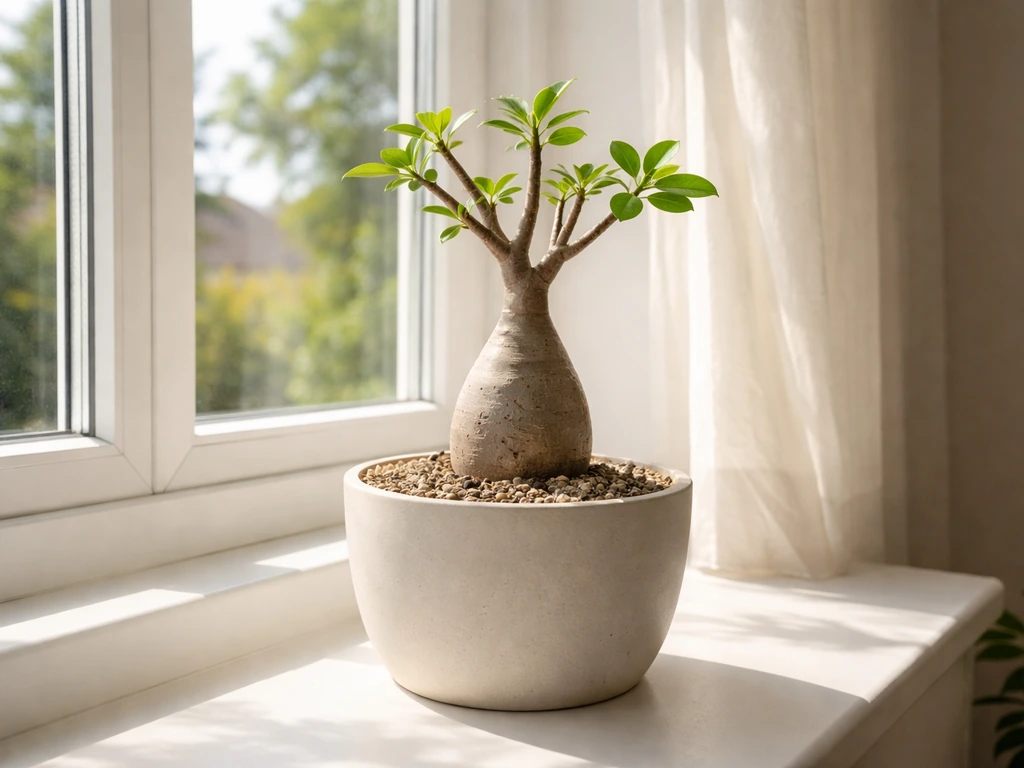
Within A. digitata, you're almost certainly growing from seed rather than selecting a named cultivar, so 'choosing a type' mostly means choosing a reputable seed source (more on that below). What you are choosing is the growing format: bonsai-style container cultivation is the most manageable approach for UK homes and conservatories, keeping the plant at a size you can actually move indoors each autumn. Full-sized container culture in a large pot is possible in a big greenhouse but produces a plant that becomes difficult to move and manage within a few years.
Indoors vs outdoors: the honest comparison
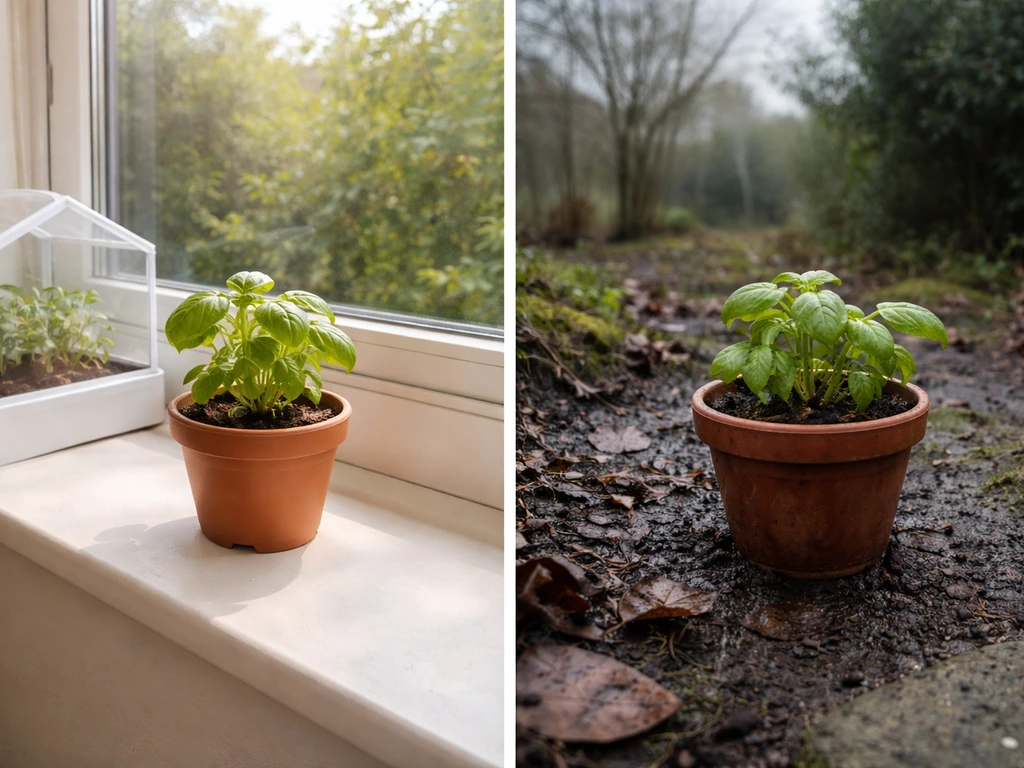
| Setup | Feasibility | Key requirement | Main risk |
|---|---|---|---|
| Outdoor in ground (UK) | Not realistic | Frost-free winters — not possible in UK | Winter kill below 10°C |
| Outdoor in pot (summer only) | Feasible May–September | Must come inside before first frost | Forgetting to bring it in |
| Unheated greenhouse/conservatory | Poor — risky in most UK winters | Minimum 10°C overnight, reliably | Cold snaps dropping below threshold |
| Heated conservatory or sunny room | Good | South-facing, bright light, heat maintained | Overwatering in winter |
| Heated greenhouse (min 12°C) | Best option | Consistent warmth, ventilation, full light | High running costs in cold winters |
The cleanest approach for most UK gardeners is a bright, south-facing windowsill or conservatory from spring through autumn, with a heated space that stays reliably above 10°C (ideally 12°C) through winter. If you are wondering can you grow redwood trees in the UK, the key issue is whether you can provide enough warmth and shelter through winter.
An unheated greenhouse in most of Britain will drop below the critical threshold on cold nights between November and March, I've seen unheated structures in the south of England hit 2–3°C during a hard frost, which is fatal for a baobab. If you're heating a greenhouse anyway for other tropicals, adding a baobab makes a lot of sense. If not, a well-lit indoor room is safer and cheaper.
Getting the soil, watering, light, and temperature right
Soil and drainage
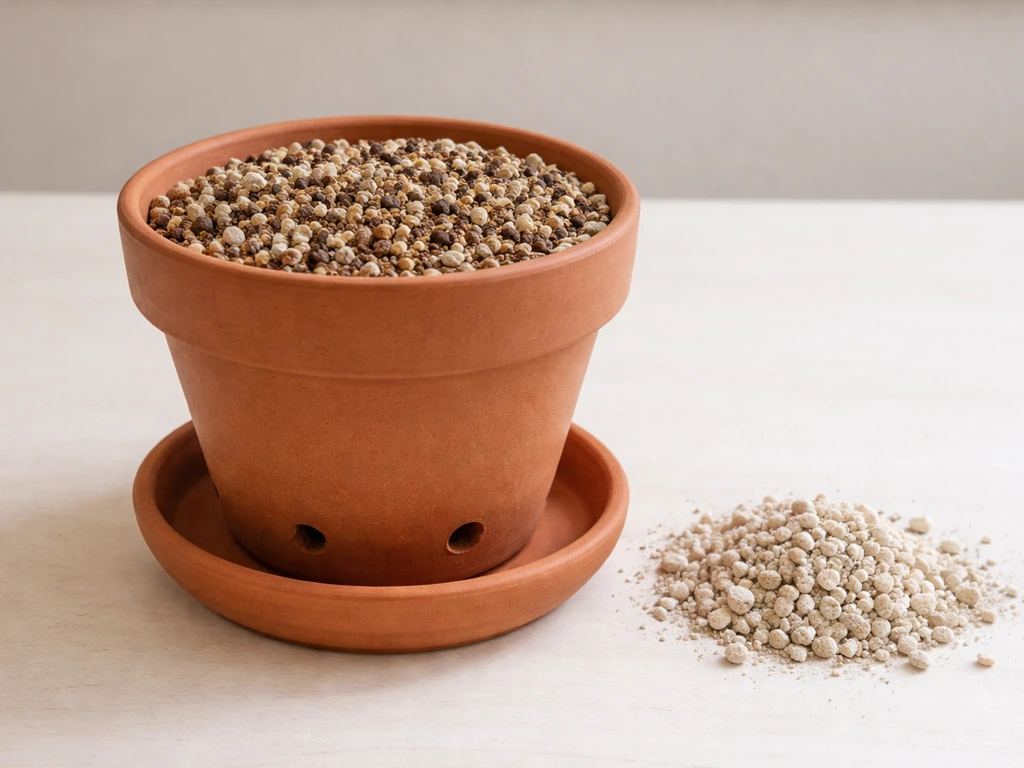
Drainage is everything. Baobabs are succulent-like in their water storage, that swollen trunk is packed with water reserves, and they absolutely cannot sit in damp soil. Use a very gritty, free-draining mix: a good starting point is 50% perlite or coarse horticultural grit mixed with 50% loam-based compost (John Innes No. 2 or 3 works well). Avoid peat-heavy or moisture-retaining mixes. The pot itself must have generous drainage holes. I use terracotta pots where possible because they allow evaporation through the sides, reducing the risk of sitting water around the roots.
Watering strategy
During the active growing season (roughly May to September in UK conditions), water moderately, allow the top third of the soil to dry out between waterings. In October, start reducing water significantly. From around mid-October through to mid-April, keep the soil almost completely dry, giving just the occasional light watering every 4–6 weeks to prevent the roots from desiccating entirely.
Promesse de Fleurs also emphasizes that Adansonia digitata needs a very dry resting period from October to mid-April, when it must not be kept in damp soil dry dormancy period (between October and mid-April).
This dry dormancy period mimics the dry season in the baobab's native habitat and is critical for avoiding root rot through the UK winter. Overwatering in winter is the single most common reason UK-grown baobabs die.
Light requirements
Baobabs need as much direct sun as you can give them. A south-facing windowsill is the minimum, east or west-facing will not give enough light for strong growth. In a conservatory or greenhouse, position for maximum south or southwest exposure. During summer, moving the pot outside onto a sunny patio or terrace significantly boosts growth and helps the trunk swell properly. Be cautious about sudden changes in light intensity: if you move a plant from indoors to full outdoor sun in May, do it gradually over a week or two to avoid leaf scorch.
Temperature thresholds
The hard minimum is 10°C, and 13°C is more comfortable for overwintering. During the growing season, baobabs thrive between 22°C and 35°C and will happily sit on a hot sunny windowsill or in a warm greenhouse in summer. They can tolerate temperatures above 40°C if the air is dry and airflow is good. What they cannot tolerate is cold and damp simultaneously, that combination triggers rot faster than almost anything else. Never leave a baobab in a cold, unventilated, damp space.
Getting through winter: protection, dormancy, and common failure points
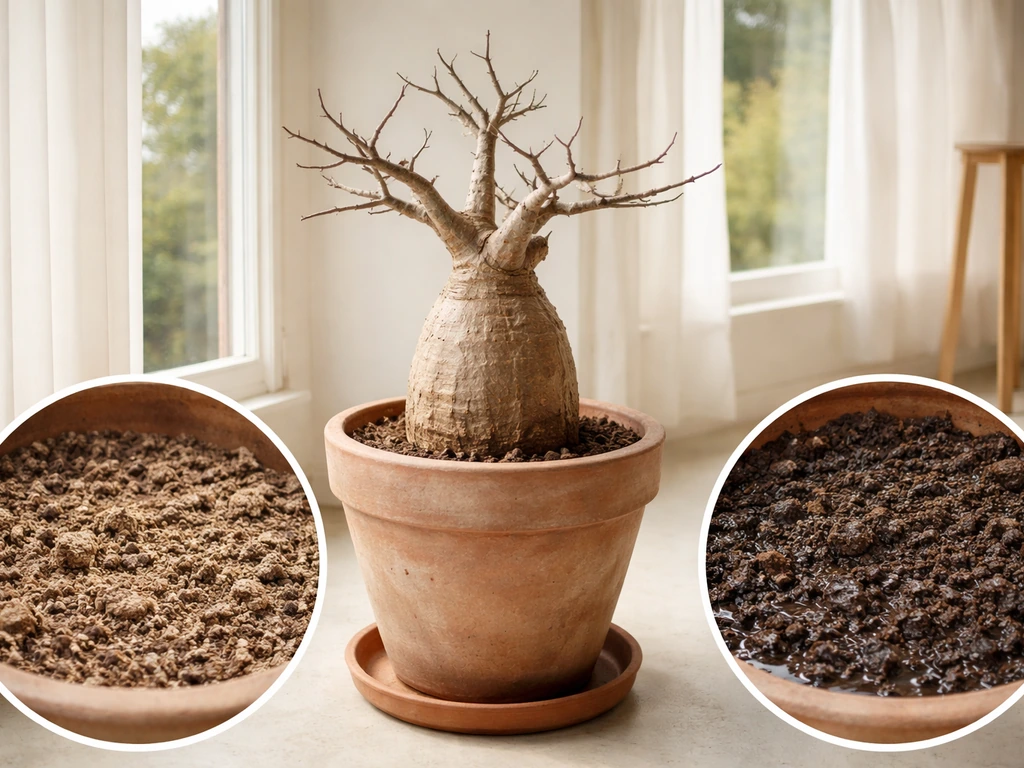
The October to mid-April window is where most UK-grown baobabs fail. Here's the protocol that works: bring your baobab inside (or into a heated space) by mid-October at the latest. Stop watering almost entirely. Keep it somewhere bright and above 10°C, a minimum-heat conservatory with a backup frost heater, a warm windowsill, or a heated greenhouse. Do not feed it. Do not repot it. Just leave it alone and keep it warm and dry. The tree will drop its leaves, that's completely normal and not a sign it's dying. It's entering dormancy, which is natural for this species.
The common failure points I see again and again in UK growing attempts are these. First, people leave the plant outside too long in autumn and it catches a frost before they get it inside. Second, they keep watering through winter because the leafless plant looks dead and they panic, this causes root rot within weeks. Third, the indoor winter location is bright but cold, perhaps a conservatory that drops below 8°C on cold nights. Fourth, they use heavy, moisture-retaining compost that stays damp for weeks after any watering. Any one of these is enough to kill the plant.
- Bring indoors by mid-October — do not wait for the first frost warning
- Stop watering from October; water only every 4–6 weeks through winter, very sparingly
- Maintain a minimum of 10°C at night throughout winter (12°C is better)
- Keep in the brightest available spot even during dormancy
- Do not repot or fertilise between October and April
- Leaf drop is normal — the plant is dormant, not dead
- Never let the pot sit in a saucer of water at any time of year
Getting seeds or cuttings and what to realistically expect
Baobabs are almost always grown from seed in the UK, cuttings are rarely available and don't root easily anyway. Seeds are surprisingly accessible: specialist tropical seed suppliers, online marketplaces, and some larger garden centres stock Adansonia digitata seeds. Look for reputable suppliers who state the provenance and harvest date of the seeds, as viability drops with age. Fresh seed (harvested within the last year or two) germinates much more readily than old stock.
Before sowing, scarify the seeds lightly with sandpaper or soak them in warm water for 24–48 hours to break dormancy. Sow into a gritty seed compost at around 25–30°C, a heated propagator works well. Germination typically takes 2–4 weeks in warm conditions. Once seedlings are a few centimetres tall, pot them on individually into your gritty growing mix.
On timelines: be patient, and be realistic. Baobabs are famously slow-growing, especially in the lower light and shorter summers of the UK. In their native range, young baobabs can put on reasonable growth, but in a UK container you're looking at perhaps 15–30cm of growth per year in good conditions. The swollen, bottle-shaped trunk that makes baobabs so iconic takes many years, sometimes decades, to develop properly. In the UK, you're cultivating a living curiosity and a genuinely impressive plant, but you're not going to have a tree-sized specimen anytime soon. The bonsai or young potted plant stage is where most UK growers stay, and that's still well worth the effort.
What to actually do this season
It's late June right now, which is actually a good time to get started. The growing season is in full swing and you have roughly three months of warm weather ahead before you need to think about bringing anything inside. Here's a practical plan for this season.
- Source seeds now from a specialist tropical or succulent seed supplier — look for fresh Adansonia digitata seed with a recent harvest date.
- Sow immediately using a heated propagator set to 25–28°C, in a small pot of gritty seed compost. You want seedlings established before autumn.
- Once germinated and a few centimetres tall, pot on into your gritty free-draining mix (50% perlite or grit, 50% John Innes No. 2) in a terracotta pot with good drainage holes.
- Place in the sunniest spot you have — ideally outside on a south-facing patio or terrace for July, August, and September, or in a bright south-facing conservatory.
- Water moderately through summer, letting the top third of soil dry between waterings. Do not feed yet in the first season.
- By early October, identify your winter location: a heated room, conservatory, or greenhouse that you can guarantee will stay above 10°C overnight from October through April.
- Move inside by mid-October, reduce watering to almost nothing, and let the plant enter dormancy. Check it monthly but otherwise leave it alone until April.
- In mid-April, move back to the brightest spot, resume light watering gradually, and watch it come back to life as temperatures rise.
If you already have a baobab seedling or young plant, the same seasonal schedule applies, just skip straight to making sure it's in the right outdoor spot now, getting maximum sun through July and August, and that your winter location is sorted and reliably warm before autumn arrives. The baobab is one of the more unusual things you can grow in the UK, and there's something genuinely satisfying about keeping one alive and thriving through a British winter. It's not easy, but it's far from impossible if you understand what the plant actually needs.
If you're interested in other exotic or non-native trees that push the limits of UK growing conditions, it's worth exploring how mimosa trees and balsa trees compare, both have their own very specific cold and climate tolerances that make them interesting case studies alongside the baobab. In practice, a mimosa tree in the UK is usually only viable as a protected container plant rather than an outdoor tree.
FAQ
Can I keep a UK-grown baobab outdoors in summer and bring it back in winter, or is that too risky?
You can, and it often helps growth. The key is timing and transition control: move it outdoors only after nights are reliably warm, then bring it back inside by mid-October at the latest. When changing locations, increase light gradually over 1 to 2 weeks to reduce leaf scorch.
What should I do if my baobab goes leafless in winter, is it dying?
Leaf drop during the Oct to mid-April dry rest is normal. The real check is how the caudex and roots look: keep it warm and dry, and avoid any “rescue watering.” If the soil stays dry and the plant is firm, it is likely in dormancy.
How do I know my winter temperature is safe enough, and what’s the most common setup mistake?
Use a minimum-maximum thermometer in the pot’s location, not just near the window. Many failures happen when a conservatory or greenhouse warms during the day but dips below the safe range at night (often due to poor insulation or a drafty spot). Aim for consistently above 10°C, ideally around 12°C.
Do I need to use a terracotta pot, or will plastic work just as well?
Plastic can work, but it must still drain extremely well. Terracotta helps by allowing evaporation through the sides, reducing the chance of damp lingering around the roots. If using plastic, be extra strict about the gritty mix and watering schedule.
Can I fertilize my baobab in winter to “keep it growing”?
No. During dormancy you should not feed. Feeding while keeping the soil even slightly damp can encourage rot or weak, unnatural growth when the light is insufficient.
My plant seems fine in autumn, but in winter it smells bad or the trunk softens. What usually caused it?
Those symptoms strongly suggest root or trunk rot, most commonly from overwatering, a moisture-retentive compost, or a lack of airflow in a cold space. If it turns soft or foul-smelling, do not keep watering, and focus on stopping moisture and improving warmth and dryness immediately.
What’s the best approach for watering when the plant is leafless and dormant?
From mid-October to mid-April, keep the soil almost completely dry. Give only an occasional very light watering every 4 to 6 weeks if needed to prevent complete desiccation, and let the pot dry out fully afterward. If in doubt, err on the side of too dry.
Can I repot my baobab after it’s been through UK winter?
Avoid repotting during the dormant window. If you repot, do it after it resumes active growth in spring, when you can provide stronger light and a warmer, more forgiving environment for the roots.
Is it better to buy a larger baobab plant, or start from seed in the UK?
Starting from seed is typical and usually more reliable in terms of matching UK growing habits. Larger “ready-made” plants can be tempting, but they are often more difficult to acclimatize to a UK winter routine, especially if the previous seller kept them in warmer, more controlled conditions.
What should I look for when buying baobab seeds to improve my odds of germination?
Prioritize seed provenance and harvest age. Seeds that are fresh (typically harvested within the last year or two) germinate much more readily than older stock. Also choose suppliers that clearly state harvest date rather than vague listings.
Can I grow a baobab in a bathroom or kitchen window in the UK?
Usually not. Bathrooms and many kitchens are often humid, and they may not provide enough direct sun. Baobabs need intense light plus a strictly dry, warm winter rest, so high humidity in winter is a common problem.
Next Article
Can You Grow Tiger Nuts in the UK? Practical Guide for Gardeners
Can you grow tiger nuts in the UK? Practical, regional guide with planting dates, containers, harvest & recipes.