Yes, you can grow aloe vera in the UK, but it needs to live indoors for most of the year, or at the very least come inside every winter without exception. Aloe vera is a tender succulent that can't survive frost, and even a light ground frost will kill it. The good news is that it thrives as a houseplant, genuinely tolerates neglect, and can spend summer months outside on a sunny patio. With the right setup, a UK-grown aloe will live for decades.
Can You Grow Aloe Vera in the UK? How to Succeed
James Hartwell
28 Apr 2026
Is aloe vera actually feasible to grow in the UK?
Aloe vera (Aloe barbadensis miller) is native to the Arabian Peninsula and naturalised across hot, dry parts of the world. In the UK it sits firmly in the tender category, the RHS rates it as frost-tender, meaning it needs protection from any temperatures below around 5°C. In practice, that means it cannot be left outdoors year-round anywhere in the UK. Even the warmest spots on the Isles of Scilly or the South Cornwall coast regularly drop below that threshold in December through February.
That said, feasibility is genuinely high if you're growing it as a container plant. Aloe vera is one of the most forgiving plants you can keep in a British home. It handles central heating, low humidity, and the short grey days of a UK winter better than most tropical plants. Millions of UK households keep one on a kitchen windowsill with minimal fuss. The challenge isn't really growing it, it's keeping it alive through winter outdoors, which simply isn't reliable anywhere in Britain.
Can aloe vera survive outside in the UK?
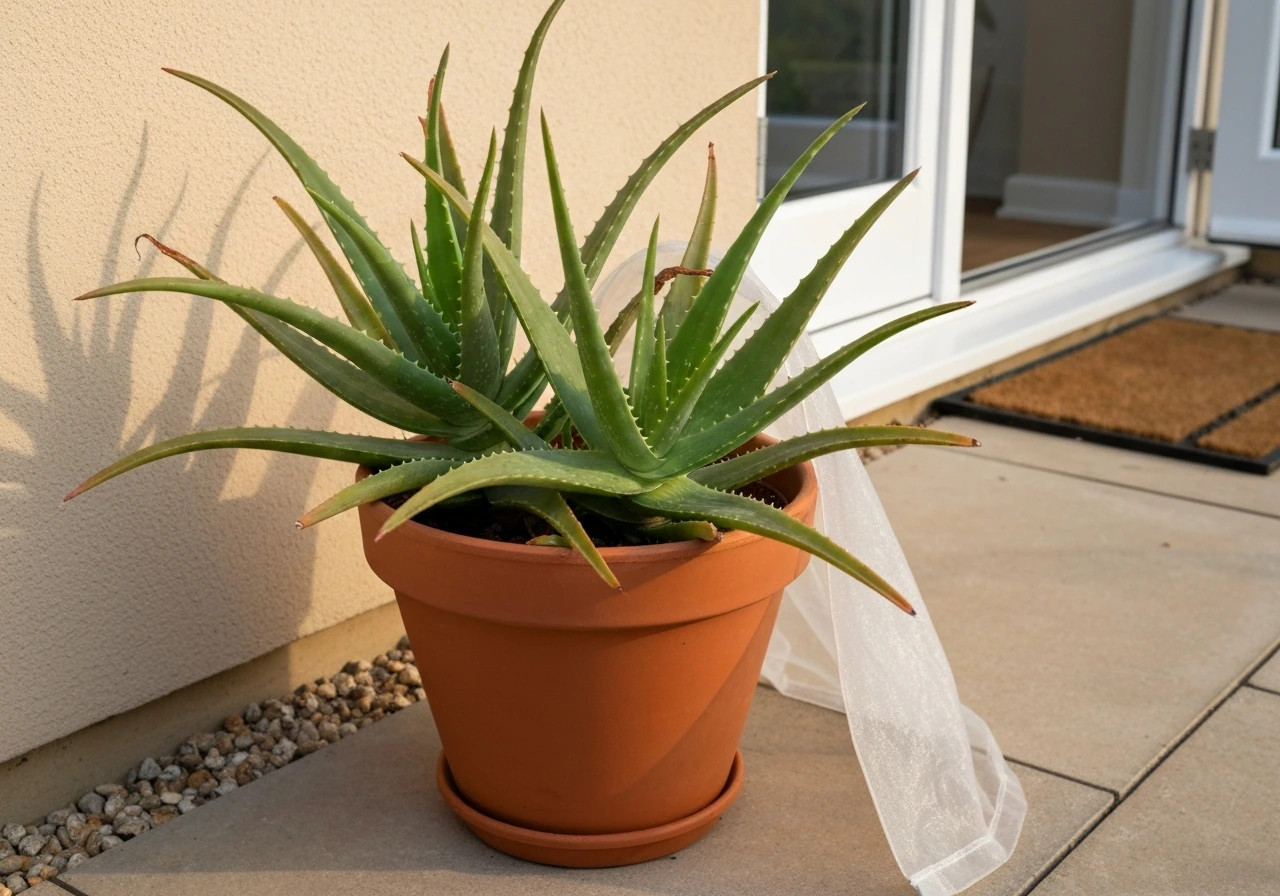
Outdoors in the UK, aloe vera is strictly a fair-weather visitor. You can move it outside from late May once night temperatures are consistently above 10°C, and it will love a warm, sheltered south-facing patio through June, July, August, and into September. That summer spell outside does it real good, stronger light than most UK windowsills can provide means a more compact, healthy plant. But it has to come back in before the first autumn frosts, which in most of England means early to mid-October at the latest. In Scotland, the North of England, Wales, and the Midlands, bring it in by late September to be safe.
There are a handful of very sheltered, very mild coastal microclimates in the far southwest of England, parts of Cornwall, Devon, and the Channel Islands, where gardeners have experimented with year-round outdoor aloe in an extremely protected, south-facing spot against a stone wall. Some survive mild winters. But this is genuinely exceptional, and even then you'd want fleece and a dry mulch on standby. For everyone else in the UK, treat outdoor growing as a summer-only activity and plan your indoor setup accordingly.
How to grow aloe vera in the UK: light, soil, and drainage
Light
Aloe vera needs as much direct sun as you can give it. Indoors, a south-facing or west-facing windowsill is ideal. An east-facing window will do but expect slower, leggier growth. North-facing rooms are a struggle, the plant won't die immediately but it will stretch, pale, and become prone to rot over time. In summer outdoors, full sun is perfect. Just acclimatise it gradually if it's been sitting in lower light indoors, otherwise the leaves can scorch.
Soil and drainage
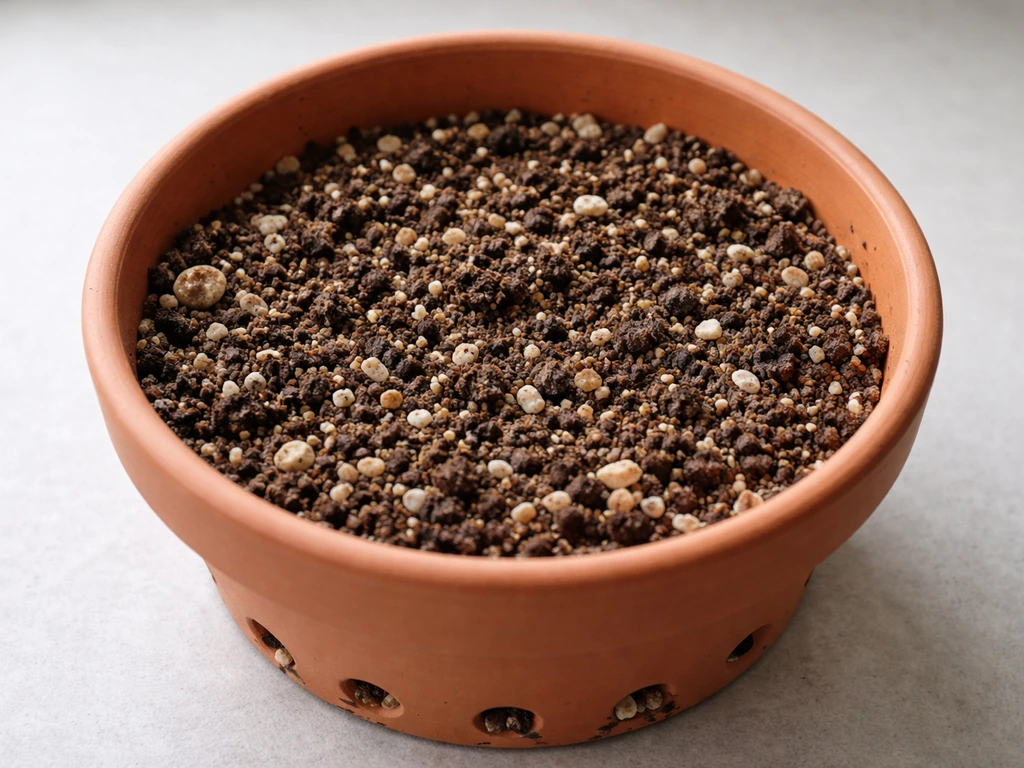
Drainage is everything with aloe vera. The number one killer in UK conditions isn't cold, it's waterlogged compost. The RHS recommends using a peat-free cactus compost, or a good-quality peat-free general compost with added sharp sand or horticultural grit mixed through to improve drainage. A rough ratio of two parts compost to one part grit or sand works well. Avoid standard multi-purpose compost on its own, it retains too much moisture and will cause root rot, especially in winter when the plant's barely growing.
Aloe vera prefers a slightly acidic to neutral pH, somewhere between 6.0 and 7.0. Most peat-free cactus mixes hit that range naturally, so you don't need to overthink it. What matters more than exact pH is that the compost drains freely within a few seconds of watering.
Watering and feeding in UK conditions
UK growers tend to overwater aloe more than anything else, and UK weather doesn't help, cooler temperatures mean compost dries out much more slowly than it would in a Mediterranean or desert climate. The RHS guidance is clear: water sparingly, and only when the compost feels completely dry to the touch. Stick your finger an inch or two into the pot, if there's any moisture at all, wait. In summer, that might mean watering every 10 to 14 days. In winter, many well-established plants in UK homes need watering no more than once a month, if that.
When you do water, water thoroughly, let it soak through and drain out of the bottom of the pot, then don't water again until the compost is dry. Never leave the pot sitting in a saucer of water. That pooled water will wick back up and keep the roots damp, which is exactly what you don't want.
Feeding is minimal. A diluted cactus or succulent feed once a month during the growing season (April through September) is plenty. Don't feed at all in autumn and winter, the plant slows right down and excess nutrients will just sit in the compost and cause problems.
The best practical setup for UK aloe growing
Pots and containers
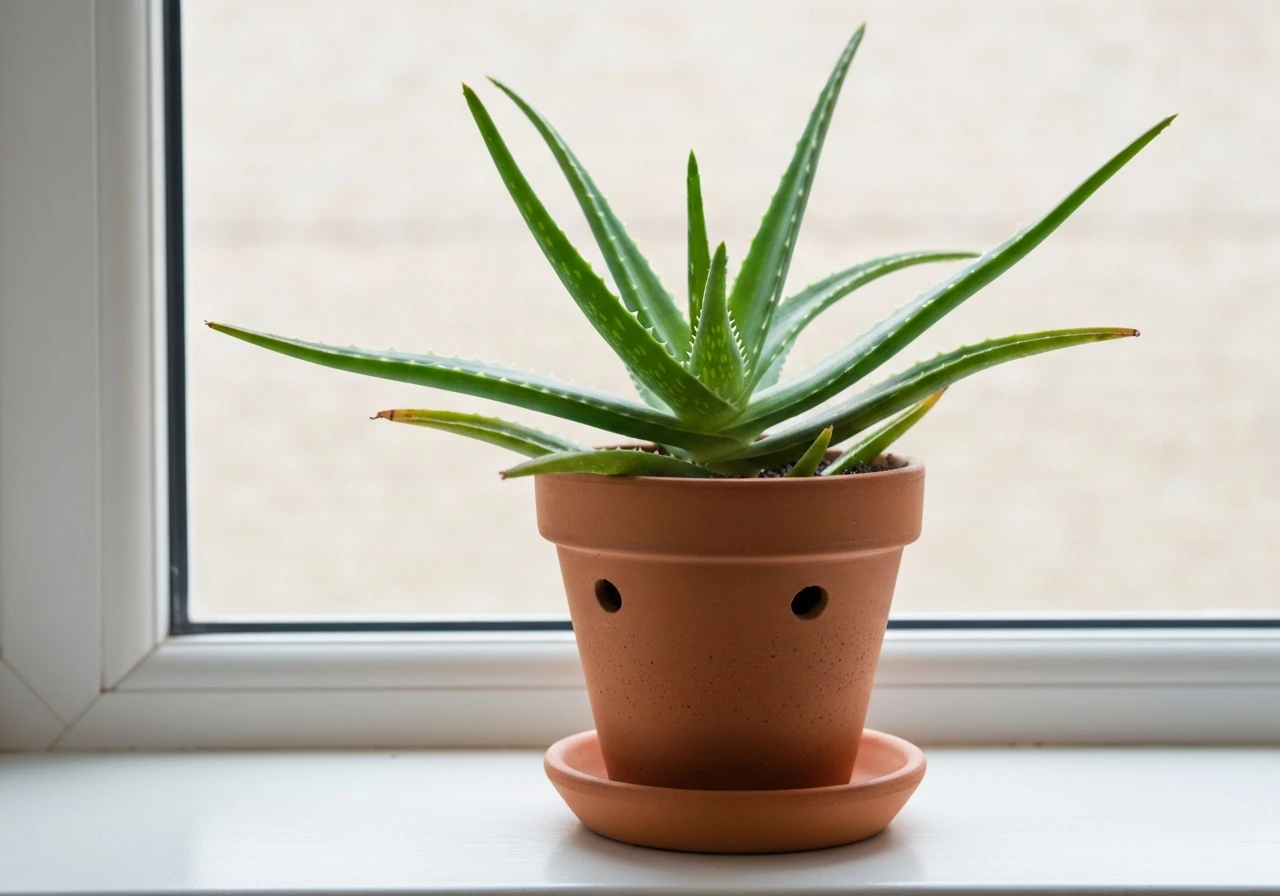
Always grow aloe vera in a pot rather than directly in UK garden soil, drainage control is far easier and you can move it inside for winter. Terracotta pots are ideal because they're porous, which helps moisture evaporate and reduces the risk of root rot. Plastic pots work too, but you'll need to be even more careful not to overwater. The pot should have at least one large drainage hole, and it should be only slightly bigger than the root ball, oversized pots hold too much moisture relative to root volume.
Summer outdoors
From late May to late September (or early October in the south), aloe vera can sit outside in a sunny, sheltered spot. A south-facing wall or patio corner that holds warmth is perfect. Raise the pot slightly off the ground on pot feet to keep drainage clean. If you get a spell of heavy UK summer rain, check that the pot is draining freely, aloe vera can handle summer heat far better than it handles sitting in waterlogged compost after a rainy week.
Overwintering indoors
This is the non-negotiable part of UK aloe growing. Bring the plant indoors before night temperatures drop to around 8°C, don't wait for frost. A heated room with a south-facing window is best. If you have a frost-free conservatory or unheated greenhouse that stays above 5°C all winter, that can work too, but an unheated greenhouse in most of the UK will drop below that threshold during cold snaps in January and February. A heated propagator mat under the pot offers cheap insurance if you're using a conservatory. Cut right back on watering from October through to March, and don't feed at all. The plant will look like it's doing nothing, that's fine. It's just sitting out the winter.
Common problems with UK-grown aloe and how to fix them
| Problem | Likely cause | Fix |
|---|---|---|
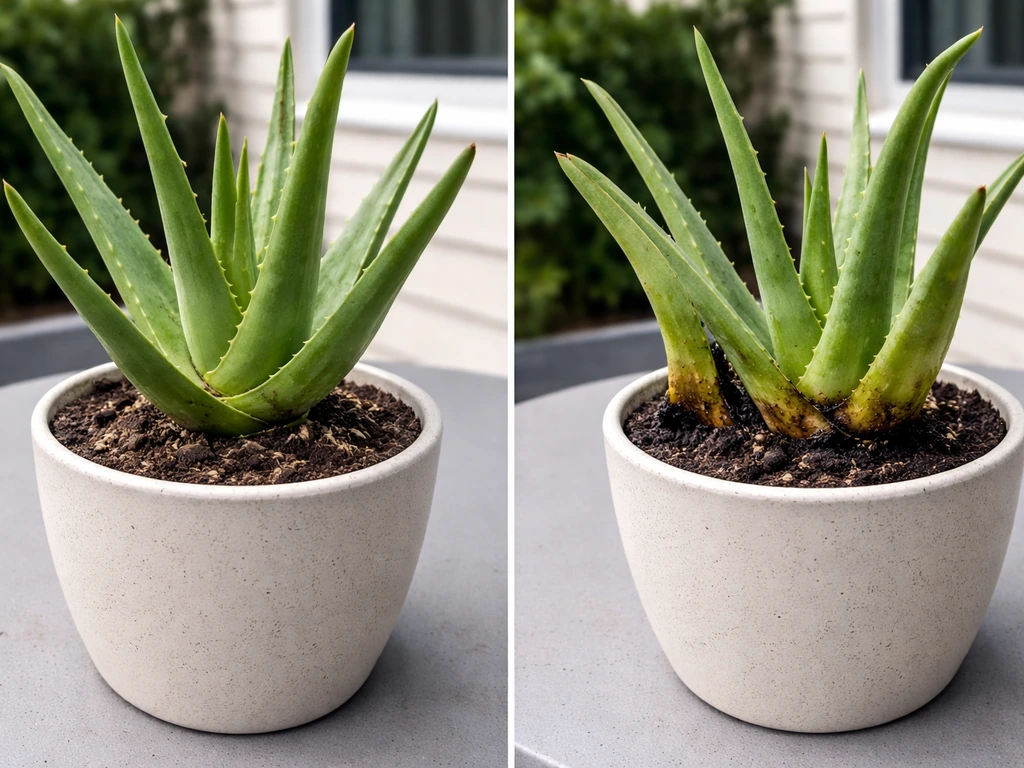
| Soft, mushy leaves at the base | Root rot from overwatering or poor drainage | Reduce watering immediately; repot into fresh gritty compost; trim any rotten roots |
| Brown, crispy leaf tips | Too dry, or underwatering during active growth | Water more thoroughly when you do water; check compost isn't bone dry for weeks in summer |
| Pale, yellow-green leaves | Not enough light | Move to a brighter window or outside in summer; avoid north-facing positions |
| Tall, leggy, floppy growth | Insufficient light over a long period | Gradually move to a sunnier spot; this is common after a UK winter indoors |
| Leaf scorch (brown patches on surface) | Too much direct sun too quickly after low-light winter | Acclimatise gradually — start in bright indirect light before full sun |
| No growth / plant looks dormant | Normal winter behaviour in UK conditions | Nothing to do; resume normal care in spring when growth restarts |
| White crusty deposits on compost or pot | Mineral build-up from hard tap water | Flush with rainwater occasionally; use rainwater if available in your area |
Root rot is by far the most common cause of aloe vera death in UK homes. It's almost always down to watering too frequently, compost that doesn't drain properly, or leaving the pot in a cold, dark spot through winter where it never dries out. If you sort the drainage and cut back watering in winter, most other problems take care of themselves.
Your quick-start checklist and next steps
Whether you're buying your first aloe vera or trying to revive one that's struggled through a UK winter, here's what to do right now:
- Get a terracotta pot with drainage holes — sized just slightly larger than the root ball.
- Mix up a peat-free cactus compost with extra horticultural grit or sharp sand (roughly 2:1 compost to grit).
- Plant the aloe so the base sits just above the compost surface — burying the stem encourages rot.
- Place it on your sunniest windowsill (south or west-facing) or in a heated conservatory.
- Water only when the compost is completely dry — check with your finger, not by looking at the surface.
- From late May, move it outside to a sunny, sheltered south-facing spot for the summer.
- Bring it back indoors by early October (late September in Scotland and northern England).
- Through October to March, reduce watering to once a month or less, stop feeding entirely, and keep it somewhere frost-free above 5°C.
If you follow those steps, aloe vera is genuinely one of the easiest plants you can grow in the UK. You can also grow amaranth in the UK, but success depends on warmth, sunlight, and protecting seedlings from cold snaps. You can grow wheat in the UK, but it depends heavily on choosing the right variety, soil, and sowing times. If you are wondering can you grow corn in the UK too, the timing and conditions matter just as much grow wheat in the UK. It's far more forgiving than many vegetables or herbs, and unlike trying to grow something like cassava in a British climate, where the odds are stacked heavily against you, aloe vera with a sensible indoor-outdoor rotation is a straightforward success. In the UK, cassava is much harder to grow outdoors because it needs consistently warm conditions cassava in a British climate. Get the drainage right, don't overwater, and don't leave it outside when autumn arrives, and you'll have a healthy, productive plant for years.
FAQ
Can I keep aloe vera in a conservatory or greenhouse in the UK year-round?
Yes, but only if the temperature stays above the frost-tender range during winter. If your conservatory or unheated greenhouse ever drops near or below about 5°C, you risk cold stress and slower drying, which increases root-rot risk. In that case, use an indoor room with a south-facing window for the winter period, or keep the plant near the warmest part of the structure.
When is the best time to put aloe vera outside in the UK?
Move it out only when nights are reliably warm, not just sunny days. Late May is a safer starting point, and aim for night temperatures staying above roughly 10°C before leaving it outside for the season. If a cold snap happens, bring it back inside immediately.
How often should I water aloe vera indoors in winter and outdoors in summer?
Watering frequency depends on dryness and light, not the calendar. After winter or after moving indoors, wait until the compost has fully dried (no cool dampness at the surface or below). In winter indoors, many plants need watering as infrequently as once a month, while a sunny summer window or hot patio can increase it to every 10 to 14 days.
What do I do if my aloe vera starts going mushy or looks overwatered?
If the leaves look soft or translucent, the plant is likely overwatered. First, stop watering, then check drainage: the pot should drain freely, and the compost should not stay wet for days. If roots smell bad or are black and mushy, you may need to unpot, trim damaged roots, and repot into fresh sharp, free-draining cactus mix.
Can I plant aloe vera in regular potting soil in the UK?
No. Standard multi-purpose compost is usually too moisture-retentive for UK conditions, especially in winter. Use a peat-free cactus or succulent compost, and improve drainage with sharp sand or horticultural grit (about 1 part grit or sand to 2 parts compost is a good starting ratio).
My aloe looks leggy and pale, can it recover and how should I fix it?
They can recover, but you must slow down and reduce stress. If it has stretched and is pale, move it to the brightest available spot (typically a south or west window), then acclimatise gradually if it has been in low light. Avoid feeding until it shows steady new growth, and keep watering conservative while it rebuilds.
Is terracotta better than plastic pots for aloe vera in the UK?
Terracotta is best if you tend to overwater, because it breathes and helps the compost dry faster. Plastic can work too, but you must be extra strict with watering and ensure the pot has large drainage holes and sits on feet so excess water never pools under it.
Can I propagate aloe vera in the UK, and what’s the easiest method?
Yes, from spring to summer, when it is actively growing and the plant can dry quickly after cutting. Let offsets or leaf cuttings dry and callus for a day or two before potting into dry, gritty mix. Keep warm and bright, water sparingly, and avoid heavy watering during the first couple of weeks.
How do I prevent aloe vera leaf scorch when moving it outdoors for summer?
Aloe can scorch if it goes from dim indoor light to full outdoor sun suddenly. Acclimatise over 7 to 14 days by increasing sun exposure gradually, especially on hot days. If you see brown patches, move it back to light shade for a few days and resume gradual sun.
Why is my aloe vera struggling indoors even when I think I’m watering correctly?
The main indoor challenge is excess moisture staying around the roots, often caused by a saucer of water, a pot without strong drainage, or a cold dark corner that slows drying. If you notice fungus gnats or persistent wetness, empty the saucer, use a better-draining mix, and place the plant where it gets strong light and airflow.
Next Article
Can You Grow Gardenias in the UK? Practical Guide
Learn if you can grow gardenias in the UK and how to succeed indoors or in a greenhouse with acid soil care.