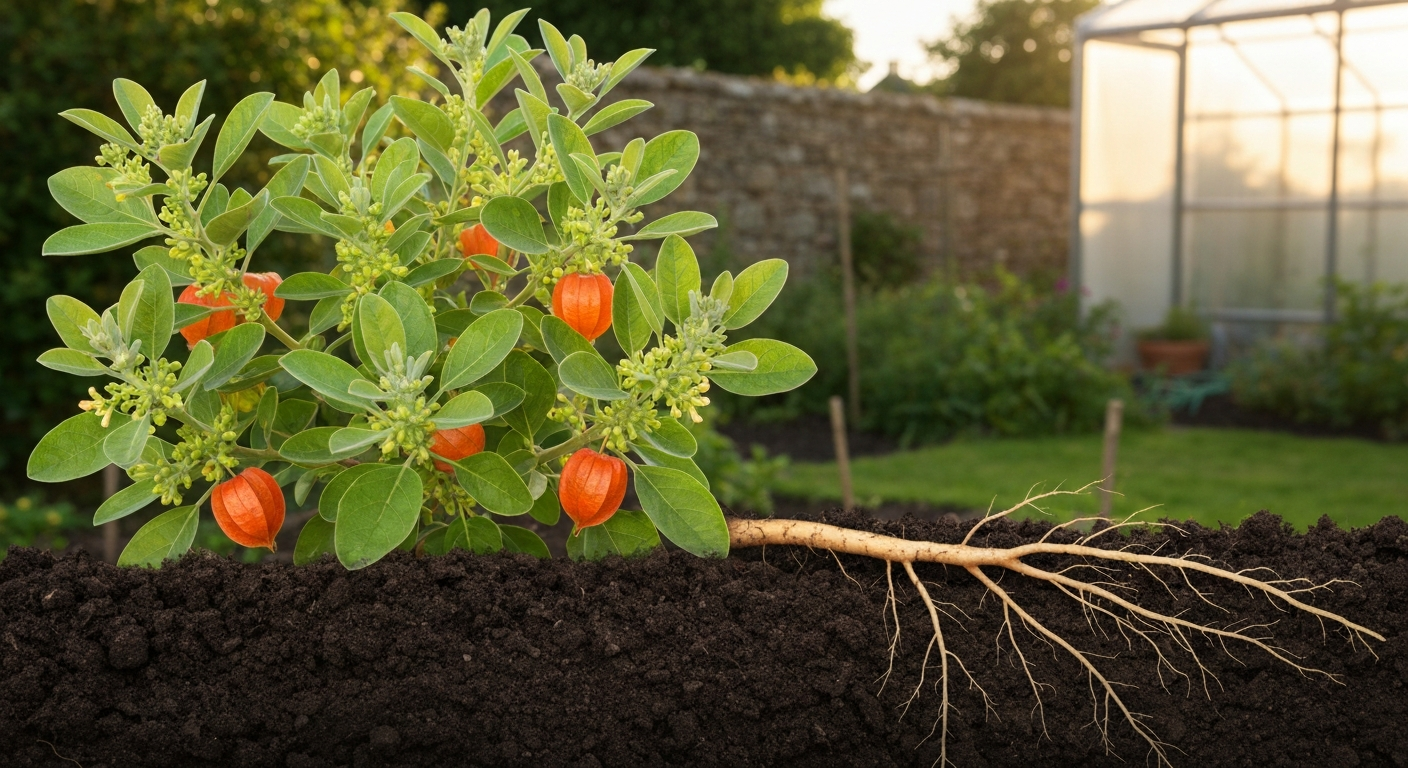
You can technically grow sandalwood in the UK, but let's be honest about what that means. Outside of a heated greenhouse or a particularly sheltered spot on the far South West coast, your chances of getting a tree to heartwood-producing maturity are slim. Santalum album, the Indian sandalwood most people want, needs subtropical warmth, resents frost, and takes 15 to 25 years to produce oil-quality heartwood. The UK can give you a container plant, a botanical curiosity, or even a few years of outdoor growth in Cornwall or coastal Devon, but it cannot reliably give you a commercial sandalwood crop. That said, if you understand the biology, choose your species carefully, and are happy with a long-term experiment, there is real value in trying.
Can You Grow Sandalwood in the UK? Feasibility, How-To
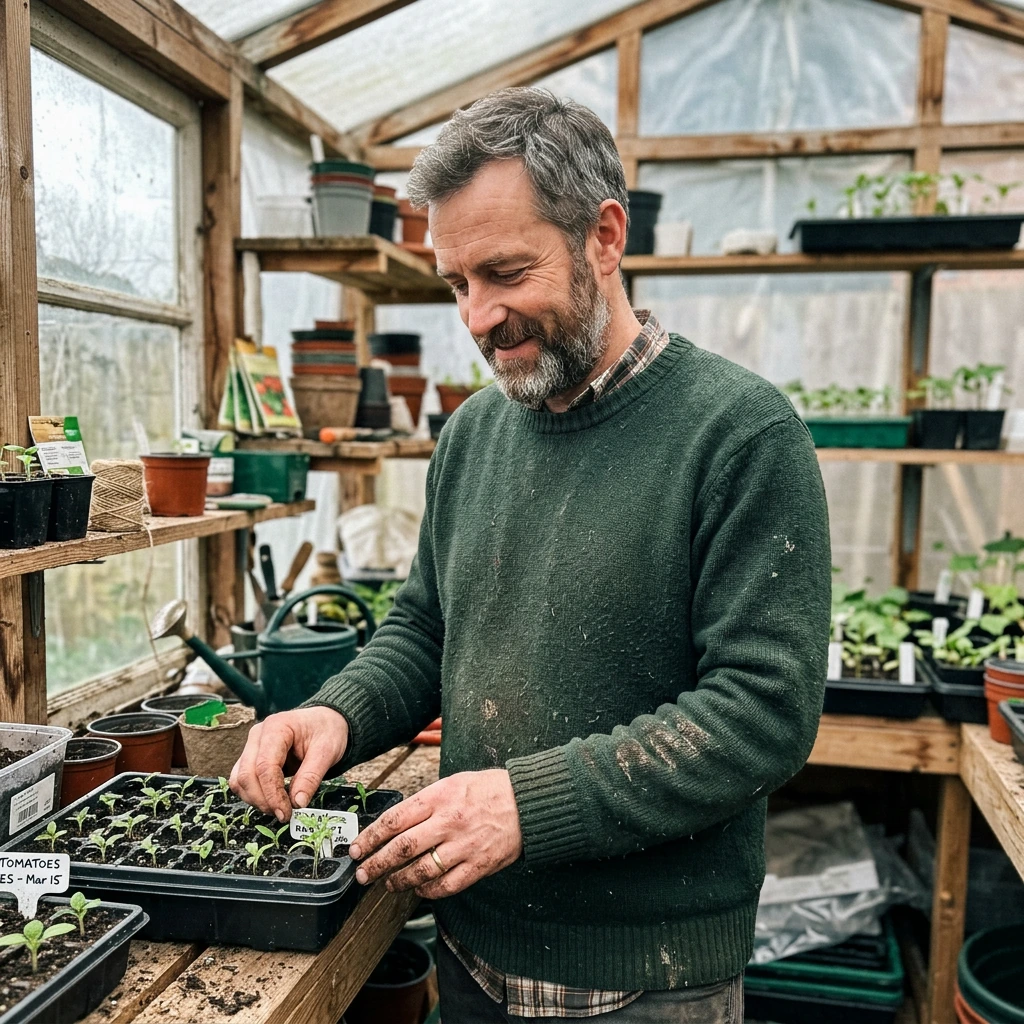
How realistic is this, region by region
The UK is not one climate. What works on the Isles of Scilly is irrelevant to a grower in Aberdeenshire, and that gap matters enormously for a frost-sensitive subtropical tree. Published physiological data for Santalum album show the species can survive where winter minima hover around -1°C, but cold damage becomes a principal limiting factor below that threshold. Santalum spicatum, the Australian species, handles slightly harder frosts but still struggles below around -5°C. The State of the UK Climate data show ground frosts remain common across most of the country, and growing degree day accumulation in most UK regions simply does not match the warm-season totals sandalwood needs for reliable growth, let alone heartwood formation.
| UK Region | Typical Winter Low | Frost Risk | Outdoor Feasibility | Best Approach |
|---|---|---|---|---|
| Isles of Scilly / far SW Cornwall | -1°C to 2°C | Low to rare | Marginal outdoors possible | Sheltered outdoor trial + backup greenhouse |
| South Coast (Dorset to Kent) | -3°C to -5°C | Moderate | Very risky outdoors | Greenhouse or heated polytunnel |
| Midlands / East Anglia | -5°C to -10°C | Regular | Not viable outdoors | Heated greenhouse only |
| Wales / Northern England | -5°C to -12°C | Regular to severe | Not viable outdoors | Heated greenhouse only |
| Scotland | -10°C to -20°C | Severe and prolonged | Not viable outdoors | Controlled indoor environment only |
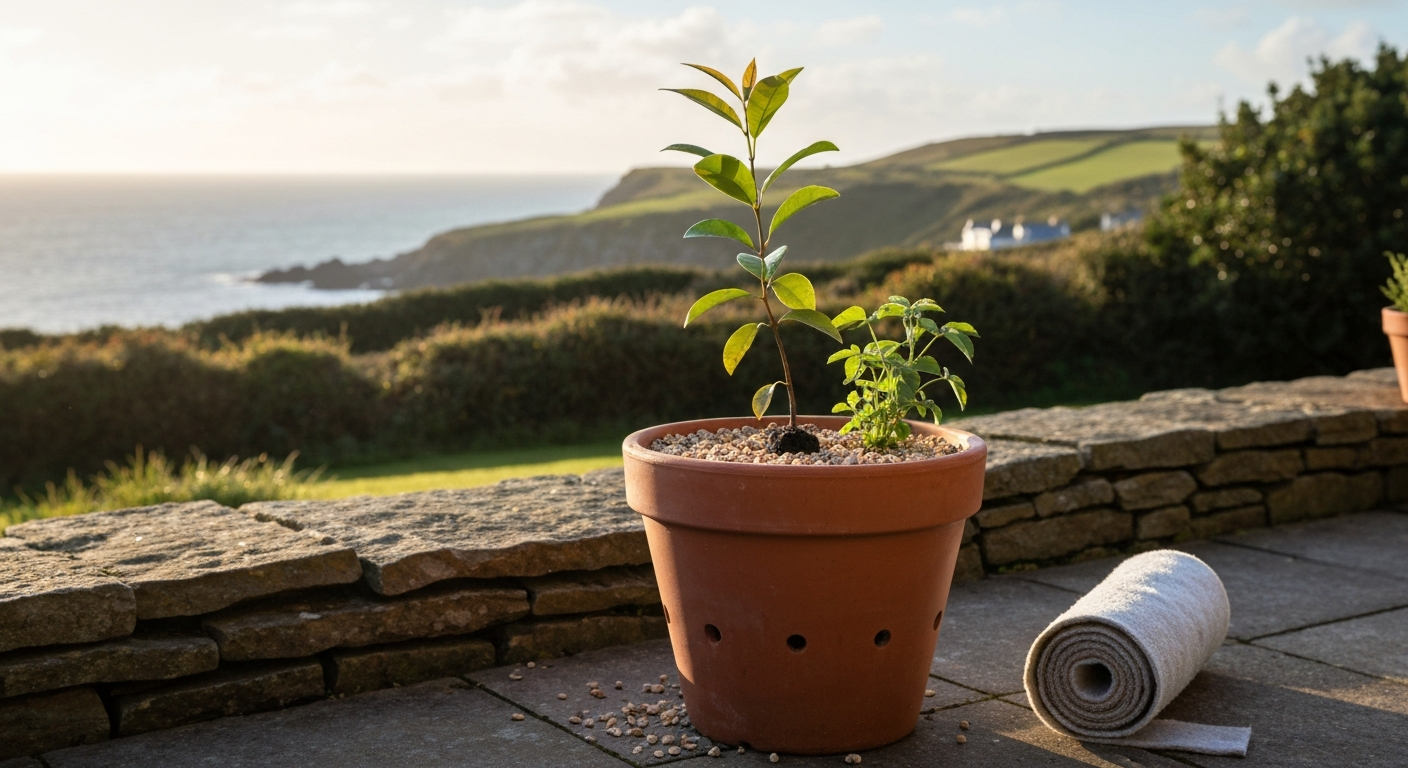
Even in the South West, I would not plant sandalwood outside without a solid frost-cloth contingency plan and a genuine willingness to lose the tree in a cold snap. The mild maritime winters Cornwall and West Wales enjoy are the closest the UK gets to sandalwood-suitable outdoor conditions, but even there you are living on borrowed time without shelter. Everywhere else, treat it as a greenhouse or conservatory project from the start.
Which sandalwood species are actually worth trying
The Santalum genus contains around 25 species, but only a handful appear in UK nursery trade or research contexts, and fewer still are worth attempting here. Species selection is arguably the single most important decision you will make before buying a seed packet or rooted cutting.
Santalum album (Indian / East Indian sandalwood)
This is the commercially prized species whose oil commands high prices in perfumery and Ayurvedic medicine. Its native range spans India, Sri Lanka, and parts of South and Southeast Asia, and it has been introduced across parts of tropical Australia. Published data show it tolerates temperatures down to about 4.5°C on its lower end, with extreme minima around -1°C recorded in South China introductions. That is the upper end of what some UK microclimates can offer in mild winters, but it provides almost no buffer for the colder nights that come every few years. For UK purposes, S. album is a heated greenhouse species unless you are in the very mildest coastal spots and accept real risk.
Santalum spicatum (Australian sandalwood)
This species is adapted to semi-arid southern and central Western Australia. It is meaningfully more cold- and drought-tolerant than S. album, surviving frosts down to around -5°C before severe damage occurs according to Western Australian industry guidance. That makes it the more sensible choice for outdoor UK trials in frost-prone regions, though it still needs good drainage and warm summers to grow well. Its oil yield and santalol composition differ from S. album, with heartwood oil content typically in the 1 to 3 percent range compared to the higher figures for S. album. If your goal is oil, manage expectations accordingly.
Other Santalum species
Santalum lanceolatum, a northern Australian species, shows wide climatic variation across its natural range and has been studied for domestication. Some populations tolerate mild frosts, but published trials show considerable variation in cold tolerance and heartwood formation, making it a research-level gamble rather than a practical UK choice. Other Pacific species (S. paniculatum, S. ellipticum) are rarely available and even less cold-tolerant.
Realistic fragrant-wood alternatives for UK gardens
If the goal is fragrant wood or aromatic garden plants rather than Santalum oil specifically, several alternatives are far more sensible in the UK climate. Osyris alba (European sandalwood) is a Mediterranean hemiparasite that shares some biological traits with Santalum and has been established in sheltered UK gardens. Scots pine heartwood develops a woody resinous scent. Rosewood-type fragrance can be achieved with Aniba rosaeodora, though that is equally tropical. Closer to sandalwood in scent chemistry, amyris (Amyris balsamifera) can be grown as a container plant. None produce true Santalum oil, but for an aromatic garden project they are far more achievable. It is worth noting that other fragrant herbs like white sage also sit in a similar challenge zone for UK growers, and there are honest comparisons to be made between the effort sandalwood requires and the returns you can realistically expect.
Legal, conservation and ethical sourcing: what you need to know before you buy
This is not a straightforward plant to source, and the legal picture matters. Santalum album is listed on CITES Appendix II, which means international trade in wild-sourced specimens, seeds, and derivatives is regulated. You do not need a permit to grow a plant purchased from a legitimate UK or EU nursery, but you do need to ensure the plant was propagated legally. Buying from a reputable nursery that can confirm the plant is nursery-raised and not wild-collected is essential. Importing seeds directly from India or Sri Lanka without checking CITES documentation could put you in breach of wildlife trade regulations.
- Check that any UK nursery selling S. album can confirm their stock is nursery-propagated, not wild-harvested.
- Seeds imported from outside the UK may require phytosanitary certificates and CITES documentation depending on source country.
- S. spicatum is not CITES-listed at the species level, but Australian export controls apply to wild-harvested material; nursery-raised stock from Australian or European suppliers is generally fine.
- Do not attempt to harvest or import wood, bark, or roots from wild-collected trees or via unverified online sellers.
- For commercial production aspirations (however distant), check with the Forestry Commission and APHA (Animal and Plant Health Agency) regarding introduction of non-native woody species at scale.
- Ethical sourcing also means avoiding the handful of online sellers offering 'sandalwood seeds' with no provenance information; germination rates from these are typically poor and legality is uncertain.
In practice, for a single garden tree or a greenhouse specimen, the main steps are: buy from a traceable UK or European nursery, ask for nursery-propagation confirmation, and keep any purchase receipts. The legal exposure for a home grower with one pot-grown tree is low if the sourcing is clean, but it is worth doing it right.
Should you actually attempt this? A quick decision checklist
Before spending money on seeds, specialist compost, and host plants, run through these honestly. If most answers point to 'no,' there are better plants to spend your energy on.
- Do you have a heated greenhouse, polytunnel with supplemental heat, or a conservatory that stays above 5°C through winter? If not, S. album will not survive a typical UK winter outdoors anywhere north of the Scilly Isles.
- Are you in a genuinely mild coastal microclimate (South West England, West Wales, coastal Northern Ireland) where hard frosts below -3°C are rare? If yes, an outdoor trial with S. spicatum is worth considering.
- Are you prepared to grow and maintain compatible host plants alongside the sandalwood for the entire life of the tree? This is non-negotiable: sandalwood cannot survive without hosts.
- Do you have well-draining, slightly acidic to neutral soil (pH 5.5 to 7.5) or the ability to create it in containers? Heavy clay will kill it.
- Are you thinking on a 15 to 25 year timescale for any oil or heartwood, and are you comfortable with the possibility of never reaching that point in a UK climate?
- Have you sourced your plant or seed from a verifiable nursery-propagation source with CITES-compliant paperwork where applicable?
- Are you growing this for botanical interest and the challenge, rather than expecting a commercial yield? If commercial yield is the main driver, the UK is simply not the right location.
Site selection and microclimate: garden, allotment, greenhouse or polytunnel
For an outdoor attempt, the word 'microclimate' is doing enormous heavy lifting. You want a south-facing wall or slope that absorbs and re-radiates heat, shelter from north and east winds, good air drainage so cold air does not pool around the roots on still clear nights, and ideally proximity to thermal mass like brick or stone. A south-facing walled garden in Cornwall or coastal Devon comes closest to what sandalwood needs. Even then, fleece and temporary frost protection should be budgeted as standard winter procedure.
For most of the UK, a greenhouse or polytunnel is the only realistic path. A glasshouse that maintains a minimum of 7 to 10°C through winter gives S. album a genuine chance of survival. Unheated glass will not cut it in most regions: even a mild UK winter regularly drops below 5°C in unheated structures in January and February. A heated propagation bench or under-bench heating cables can help protect roots without heating the entire structure, but ambient air temperature still needs managing. Polytunnels lose heat faster than glass and need supplemental heat in winter if you want reliable results with S. album. S. spicatum is more forgiving and can push into the 'frost-protected but not heated' zone in milder regions.
Allotment growing is not a practical option for sandalwood. The combination of lack of winter protection infrastructure, shared growing space, and the multi-decade timeline make it unsuitable. Sandalwood is a garden or homestead project, not a plot crop.
Soil, drainage and container setup
Sandalwood emphatically does not want wet feet. Published nursery and forestry guidance consistently emphasises well-drained sandy loam to loamy sand, with a soil pH between 5. Nursery and plantation manuals recommend Santalum album prefers well‑drained light to medium soils (sandy loam to loamy sand) with a nursery soil pH of about 5.5–7.5 and emphasise avoiding waterlogged heavy clays Nursery and Plantation Practices in Forestry — forestry manual (soil/pH recommendations). 5 and 7.5. Heavy clay or waterlogged conditions are reliably fatal. In the UK, most garden soils will need amendment for container growing.
Container growing in the UK
Container growing makes the most sense for UK conditions because it lets you move the tree under cover for winter. Start young trees in a 10 to 15 litre pot and step up to 30 to 50 litre containers as the tree establishes. The compost mix should be free-draining: a good starting blend is two parts loam-based compost (John Innes No. 2 or 3) to one part horticultural grit or perlite, with a small amount of coarse sand mixed through. Avoid peat-heavy mixes, which retain too much moisture. Topping the container surface with a thin layer of fine grit helps prevent surface compaction and improves drainage around the root collar. Make sure pots have generous drainage holes and are elevated on feet or gravel to prevent standing water.
One critical point for containers: sandalwood's hemiparasitic roots need to reach a host plant. In a pot setup, this means either planting the sandalwood in a large shared container with its host plant, or growing them in adjacent pots where roots can spread through drainage holes and make contact. The 'shared large pot' method is more reliable and mirrors the nursery protocols used in research trials, where a pot host is introduced at or shortly after transplanting.
Outdoor soil preparation
For outdoor attempts in mild locations, prepare the planting site by working in coarse grit or horticultural sand to improve drainage, particularly if your native soil has clay content. Raised beds improve drainage further. Check pH and aim for 6.0 to 7.0. Avoid adding heavy organic matter like garden compost in large quantities around the root zone, as this retains moisture and can encourage the wrong soil biology.
Watering, feeding and seasonal care through the UK calendar
In its native climate, sandalwood deals with distinct wet and dry seasons. The UK provides the opposite challenge: too much rain in winter and cool, overcast summers with moderate rainfall. The key watering principle is to never let containers sit in standing water, reduce watering significantly through October to March, and avoid wetting foliage in cold conditions. During the UK growing season (April to September), water container-grown plants when the top 2 to 3 cm of compost dries out, but err on the side of slightly dry rather than moist.
Feeding should be restrained. Sandalwood is not a heavy feeder, partly because it supplements its nutrition through its host plant connections. A slow-release balanced fertiliser at the start of the growing season (April) is sufficient for container plants. Avoid high-nitrogen feeds applied directly to the sandalwood: excess nitrogen can actually reduce the tree's dependence on its hosts, which are part of the mechanism that drives growth and heartwood formation. If you are using a nitrogen-fixing host plant like a small Acacia species or a leguminous companion, the nitrogen transfer through the haustorial connection means you are already providing a nutrient boost via the biological system.
In winter, whether indoors or in a heated greenhouse, reduce watering to roughly once every two to three weeks for container plants, just enough to prevent the root ball drying out completely. Keep the greenhouse ventilated on mild days to prevent fungal issues, which are a genuine concern in the UK's damp winters.
| Season | Watering | Feeding | Key Tasks |
|---|---|---|---|
| Spring (Mar-May) | Increase gradually as temperatures rise | Apply slow-release fertiliser in April | Move containers outside after last frost, introduce or check host plant contact |
| Summer (Jun-Aug) | Water when top 2-3cm dries out | No additional feeding needed if host is active | Monitor for aphids and spider mite; ensure good ventilation in greenhouse |
| Autumn (Sep-Nov) | Reduce from September onwards | None | Move containers under cover before first frost (typically October in most regions) |
| Winter (Dec-Feb) | Minimal: once every 2-3 weeks | None | Maintain greenhouse above 7°C minimum; ventilate on mild days; check for fungal issues |
The hemiparasitic biology: hosts, haustoria and how this works in a UK context
This is the part that catches most UK gardeners off guard, and getting it wrong is the most common reason sandalwood seedlings fail. Sandalwood is a root hemiparasite: it is photosynthetic and can produce its own sugars, but it forms specialist root structures called haustoria that tap into the xylem (water and mineral-conducting tissue) of host plant roots. Peer-reviewed anatomical studies confirm that this connection allows selective uptake of water and minerals from the host rather than simple passive leakage. The tree remains green and photosynthesises normally, but without functional haustorial connections to at least one host, growth stalls and the plant usually dies within a year or two of establishment, sometimes faster in pots.
Which hosts work in UK conditions
Commercial plantations globally use nitrogen-fixing legumes as primary hosts because there is peer-reviewed evidence that N2-fixing hosts transfer both carbon and nitrogen to the sandalwood through the haustorial connection, meaningfully improving growth. In Western Australian S. spicatum plantations, Acacia acuminata is the standard primary host. For UK growers, the most practical options are leguminous species that can survive UK conditions, whether in containers or in mild outdoor situations.
- Tagetes (marigolds): used as short-term 'pot hosts' in nursery trials; easy to grow from seed, UK-available, and can be planted in the same container to provide an initial haustorial target while permanent hosts establish.
- Alternanthera spp.: used in research nursery protocols as herbaceous pot hosts; not UK-hardy but can be grown as annuals in greenhouse conditions.
- Acacia species in containers: smaller ornamental acacias (A. pravissima, A. baileyana) are available from UK nurseries, can be grown in containers or sheltered outdoor sites, and provide the leguminous nitrogen-fixing benefit. Hardy to around -7°C to -10°C depending on species.
- Sesbania grandiflora and Leucaena leucocephala: used in tropical plantations but not UK-hardy; only viable in heated greenhouses.
- Grass species: some studies show grasses can serve as secondary hosts; in containers, including a pot of couch grass or similar alongside the sandalwood provides a low-effort backup host.
- Casuarina: the nitrogen-fixing sheoak is used as a host in Australian trials; not UK-hardy outdoors but can be maintained as a container companion in a greenhouse.
The practical protocol for a UK container setup: pot up your sandalwood seedling into the shared container described above with a fast-growing leguminous pot host already in place, ideally one that has been growing for four to six weeks to establish a root system. Research on S. album field establishment confirms that timing matters: introducing the pot host at or shortly before transplanting produces better haustorial development than attempting to add a host later. In the UK greenhouse context, this means having your host plant rooted and growing before the sandalwood seedling goes into the shared container. Check every few months that the host is still alive and replace with a fresh pot host if it dies.
Timing haustorial establishment in UK seasons
Haustoria form most actively during the warm growing season. In UK terms, the window from May to August gives the best soil temperatures for haustorial development even in a greenhouse, as soil temperatures in unheated pots can drop quite low in winter. If you are potting up a sandalwood seedling, aim to do it in April or May so the first growing season gives the roots maximum time to locate and parasitise the host. Autumn and winter potting delays haustorial establishment and increases the risk of the seedling failing before it can tap its host.
Propagation: seed, cuttings and what actually works in the UK
Growing from seed is the most common starting point, but sandalwood seeds have morphophysiological dormancy. Untreated seeds have low and erratic germination. Published protocols consistently recommend two interventions: endocarp (hard seed coat) removal or scarification, and a gibberellic acid (GA3) presoak. Nursery and tissue-culture studies report germination rates above 70 to 80 percent with treated seeds, versus much lower rates untreated. For UK growers, GA3 is available as a powder from specialist horticultural suppliers and is mixed to a dilute solution (a few hundred parts per million, following product instructions) for a 24-hour presoak before sowing.
Sow into a warm propagator at 25 to 28°C, in a free-draining seed compost with added perlite. Germination typically takes two to four weeks with treated seed at these temperatures. The key UK-specific challenge is that those soil temperatures are only easily achieved in a heated propagator: a cool windowsill or unheated greenhouse will significantly delay or prevent germination. Once seedlings are large enough to handle (usually at the first true leaf stage), pot on into the shared container with the host plant without delay. The longer seedlings stay without host contact, the weaker they become.
Cuttings from sandalwood are difficult and rarely used outside specialist research contexts. Semi-hardwood cuttings of S. album have been achieved in trials but success rates are low without rooting hormones and mist propagation equipment. Grafting onto related rootstocks has been explored in research but is not a practical option for home growers. For most UK growers, seed from a reputable source is the only realistic propagation method.
Realistic timelines and what you can expect from a UK-grown tree
This is where honest expectations matter most. Heartwood and oil formation in S. album is a slow process even in optimal tropical conditions. Published Indian forestry research reports oil content of around 0.66 to 1.76 percent in six-year-old trees, rising to roughly 3 to 6 percent in older, mature specimens. A 16-year-old tree in a good Indian plantation site yields on average around 0.28 kg of oil. In the UK, where growing seasons are shorter, temperatures lower, and the tree will spend months in minimal-growth mode indoors, heartwood formation will be slower still, if it happens at all. S. spicatum typically produces 1 to 3 percent heartwood oil, with a different santalol profile to S. album, which affects its value for perfumery or aromatherapy uses.
For a UK grower, a realistic decade-one outcome is: a surviving, growing tree in a large container or greenhouse bed, with established host connections, putting on modest annual growth. The aromatic heartwood that forms in the centre of older stems will not be present in any useful quantity for at least 10 to 15 years, and even then, a UK-grown tree is unlikely to yield commercially significant oil without ideal conditions throughout its life. Grow it because the project interests you, because the glossy leaves and delicate flowers are genuinely attractive, and because keeping a tropical hemiparasitic tree alive in Scotland is a reasonable achievement in its own right.
Pests, diseases and common problems in the UK
UK-grown sandalwood in a greenhouse faces a different pest profile to field-grown trees in the tropics. Spider mite is the most common greenhouse pest to watch for, particularly in warm dry periods: check leaf undersides regularly and use biological controls (Phytoseiulus persimilis) if you prefer to avoid pesticides. Aphids can colonise new growth in spring; these are best removed by hand or with a dilute insecticidal soap spray. Root rot from overwatering is the most common cause of loss in UK container culture: if a plant drops leaves suddenly and soil feels wet, check roots for rot and consider repotting into fresh, dry compost. Fungal leaf spots can occur in damp UK winters in poorly ventilated greenhouses; improve airflow before reaching for fungicide.
Host plant death is a specific and often overlooked problem. If your host plant dies and you do not replace it, the sandalwood will decline over the following months as haustorial connections deteriorate. Build in a routine check of the host plant's health every few weeks, and have a backup host (marigold seedlings are the easiest emergency option) ready to introduce if the primary host fails.
How sandalwood compares to other exotic growing projects in the UK
Sandalwood sits at the harder end of the exotic-in-the-UK spectrum. It is more demanding than growing ashwagandha, which is an annual or short-lived perennial that can be managed much more easily in a UK polytunnel or warm greenhouse. For practical, step-by-step advice on cultivating ashwagandha in UK conditions, see our guide titled can you grow ashwagandha in uk. It is comparable in challenge to nutmeg, which also requires tropical warmth and years before producing a usable crop. White sage is significantly easier: it can be grown outdoors in warm, dry UK microclimates without the heating requirements or hemiparasitic complexity. For practical growing advice, see the section on can you grow white sage in the UK which explains the microclimate and care requirements for success. If you're considering other aromatic garden options, see does salvia grow in the UK for guidance on growing salvia in British conditions. If you are new to exotic crops in the UK and want a project with more reliable returns, those are sensible places to start before committing to the long-haul challenge of sandalwood.
FAQ
Can you grow sandalwood in the UK — short answer by region/microclimate?
Yes, but with important caveats. Tropical Santalum album (Indian sandalwood) is only marginally feasible in the warmest, most sheltered UK microclimates (very sheltered south/coastal Cornwall, Isles of Scilly, parts of southwest and Channel Islands) and even there requires frost protection and greenhouse or container overwintering to stand a realistic chance. More cold‑tolerant Australian species (S. spicatum, some S. lanceolatum provenances) are better candidates for milder southern England and parts of western coastal Wales—still they are vulnerable to hard inland frosts (severe damage commonly below about −5°C for S. spicatum). Inland/colder UK regions (central & northern England, Scotland, Northern Ireland) are generally unsuitable for outdoor long‑term heartwood production; container/greenhouse culture with protected microclimates is the only realistic approach.
Which sandalwood species or substitutes are realistic for UK gardeners?
Most realistic: Santalum spicatum (Australian) and some provenances of S. lanceolatum — more cold/drought tolerant than S. album and used in temperate introductions. Marginally possible with intensive protection: Santalum album (Indian) in the warmest sheltered UK gardens/greenhouses. Substitutes for scent or use: cultivated aromatic woods and shrubs (e.g., juniper, lavender, rosemary, Osyris (African sandalwood relative is not the true Santalum), or Indian substitutes like East Indian bay) or commercially sourced sandalwood oil for aromatics; these are far more reliable and quicker than waiting for heartwood/oil in the UK.
How does sandalwood biology affect growing it in the UK?
Key constraints: sandalwoods are root hemiparasites — they form haustoria and draw water, minerals and some carbon from host plants while remaining photosynthetic. Success depends strongly on appropriate host species, proximity/timing of host introduction, and good drainage plus a warm microclimate. Heartwood and oil accumulate slowly with age and are influenced by host quality, site and provenance.
What site and microclimate do sandalwoods need in the UK?
Select the warmest, frost‑protected spot: south‑facing, sheltered against northerly winds, free‑draining (sandy loam/loamy sand), elevated slightly to avoid cold pockets, near heat‑retaining walls or under glass if possible. Avoid waterlogged soils and frost hollows. In marginal gardens use conservatory/greenhouse or moveable containers that can be sheltered for winter.
Soil, potting and watering specifics for UK trials
Soil: well‑drained sandy loam or loamy sand, pH ~5.5–7.5. Avoid heavy clay or waterlogging. Potting mix for containers: free‑draining mix (50% ericaceous/sandy loam + 30% horticultural grit/perlite + 20% good loam compost), with slow‑release balanced fertilizer. Pot size: start in 10–15 cm pots then move to 20–30 L minimum for multi‑year growth; final containers for long‑term container culture 100+ L. Watering: keep moist but not wet; allow slight drying between waters. In cool weather reduce watering but never allow severe drought when hosts are present.
Which host plants should I use and how do I manage them?
Prefer N‑fixing, fast‑growing shrubs/trees used in nurseries and plantations: Acacia spp. (or Robinia/black locust where permitted), Leucaena, Sesbania, Gliricidia, or small Acacia acuminata (where climate appropriate). In containers, use pot hosts such as Alternanthera/Clitoria or small legumes to promote early growth. Introduce hosts early (simultaneous planting or within the first growing season) so haustoria can form; maintain hosts at 20–50 cm distance for root contact without crowding the shoot. Manage hosts by pruning to keep open light to the sandalwood, replacing hosts after 5–10 years as needed, and selecting species matched to soil and climate. If using non‑legume hosts, expect slower early growth.
Can You Grow Ashwagandha in UK? Practical Guide for Gardeners
Can you grow ashwagandha in the UK? Practical guide with verdict, seasonal plan, varieties, sowing & overwintering tips.