Yes, lion's mane (Hericium erinaceus) does grow in the UK, but in the wild it's genuinely rare and legally protected, so your realistic route is cultivation rather than foraging. If you want a straightforward answer, yes, you can grow lion's mane mushrooms in the UK with indoor cultivation using a kit or spawn can you grow lion's mane mushrooms in the UK. The good news is that it's one of the more rewarding mushrooms to grow indoors in Britain, and with the right setup you can get your first harvest in as little as four to six weeks from a ready-colonised kit, or around three to four months if you're starting from scratch with spawn and substrate.
Does Lion’s Mane Grow in the UK? How to Grow It
James Hartwell
23 Jun 2026
Reality check: lion's mane in the UK climate
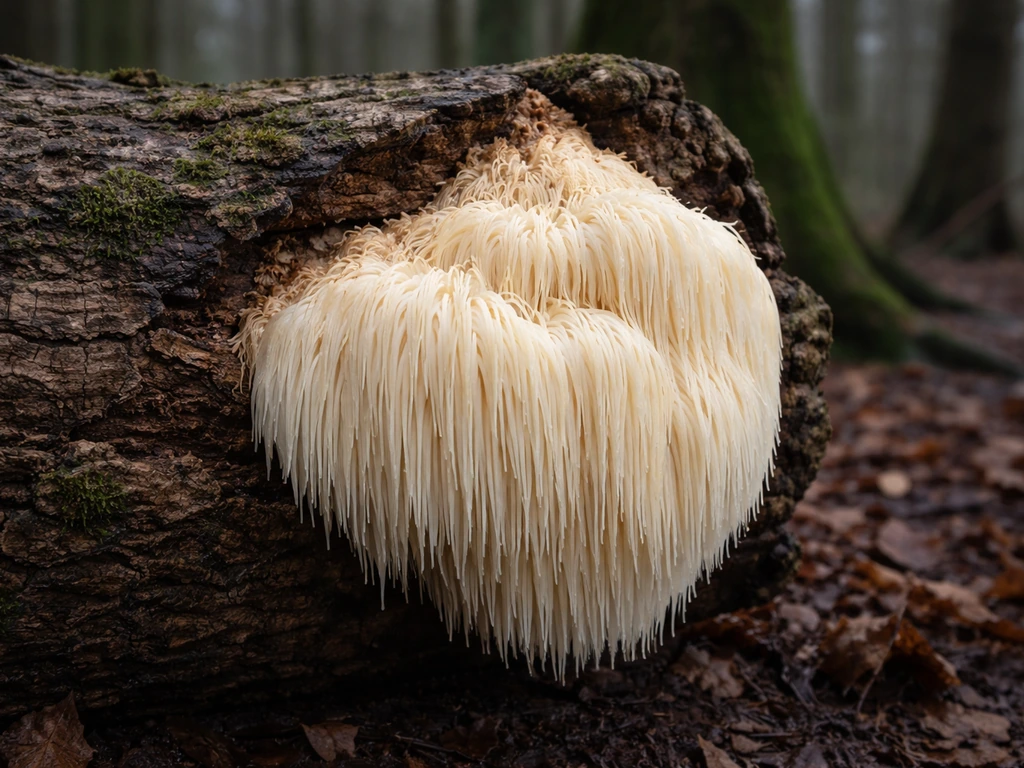
Wild Hericium erinaceus is rare enough in Britain that sightings genuinely make people's day. The New Forest is its best-known stronghold, where it grows on wounds in old hardwood trees, particularly beech. Records on the NBN Atlas exist scattered across England, but [ecologists describe it as very rare outside of cultivation](https://www. tma-fungi.
co. uk/37. html). The UK Biodiversity Action Plan flags it as a species associated with old-growth, veteran trees with continuity of ancient woodland, which tells you everything about why it doesn't just pop up anywhere.
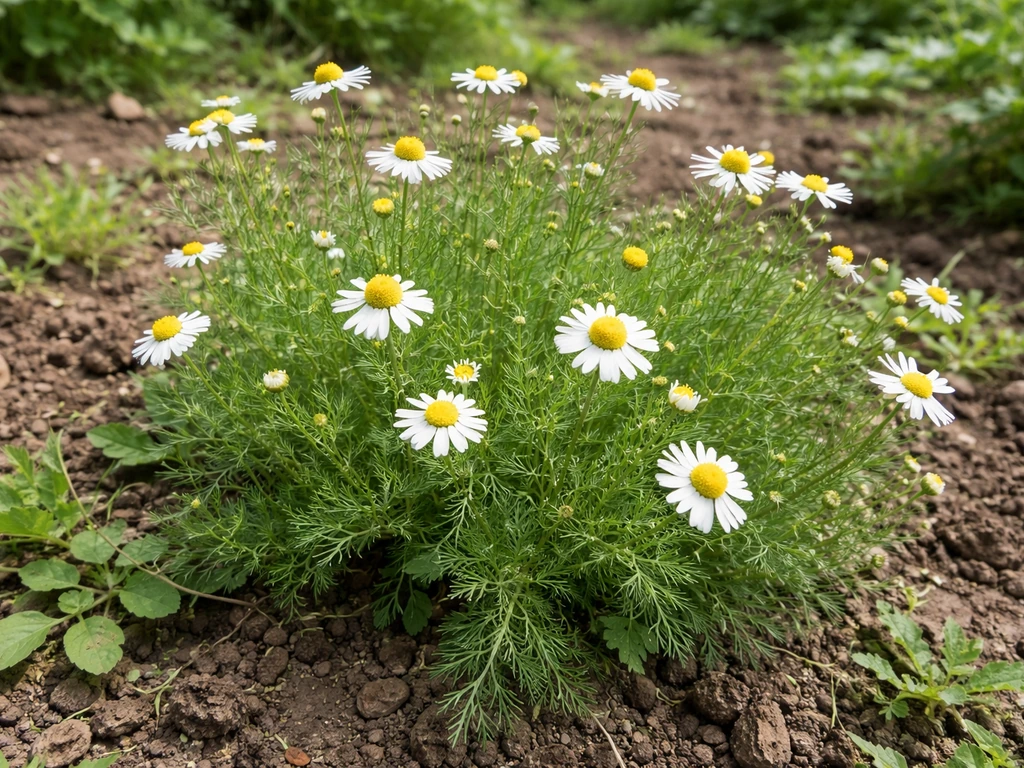
The climate itself isn't the barrier in southern England; the limiting factor is the habitat. If you were wondering whether chamomile grows in the UK, it can, but it depends on the variety and your growing conditions. Lion's mane needs old, damaged hardwood, the kind of tree that takes centuries to develop.
That context matters because it sets realistic expectations. This is not like finding oyster mushrooms on a fallen log in your local park. Even in the New Forest, experienced mycologists go years between sightings. For everyone else in the UK, cultivated lion's mane is both the practical and the legal answer. If you are wondering about cordyceps specifically, that is a different species group with different growing conditions than lion's mane, and it is not something most home growers try in the UK cultivated lion's mane.
Where it can actually grow: outdoors vs indoors
Outdoors in the UK, lion's mane can technically fruit on inoculated hardwood logs, but it's an inconsistent and slow method. In the south of England (think Hampshire, Kent, Devon), the climate is mild enough that logs left in a sheltered, shaded spot can produce mushrooms in autumn. Realistically, you're waiting 6 to 18 months for a log to colonise, and the fruiting window depends on hitting the right temperature and humidity naturally, which in a British autumn is actually quite plausible. Scotland, northern England, and anywhere with harsh winter frosts makes outdoor log cultivation significantly less reliable; you'd likely lose colonisation to cold snaps or need to bring logs inside to fruit.
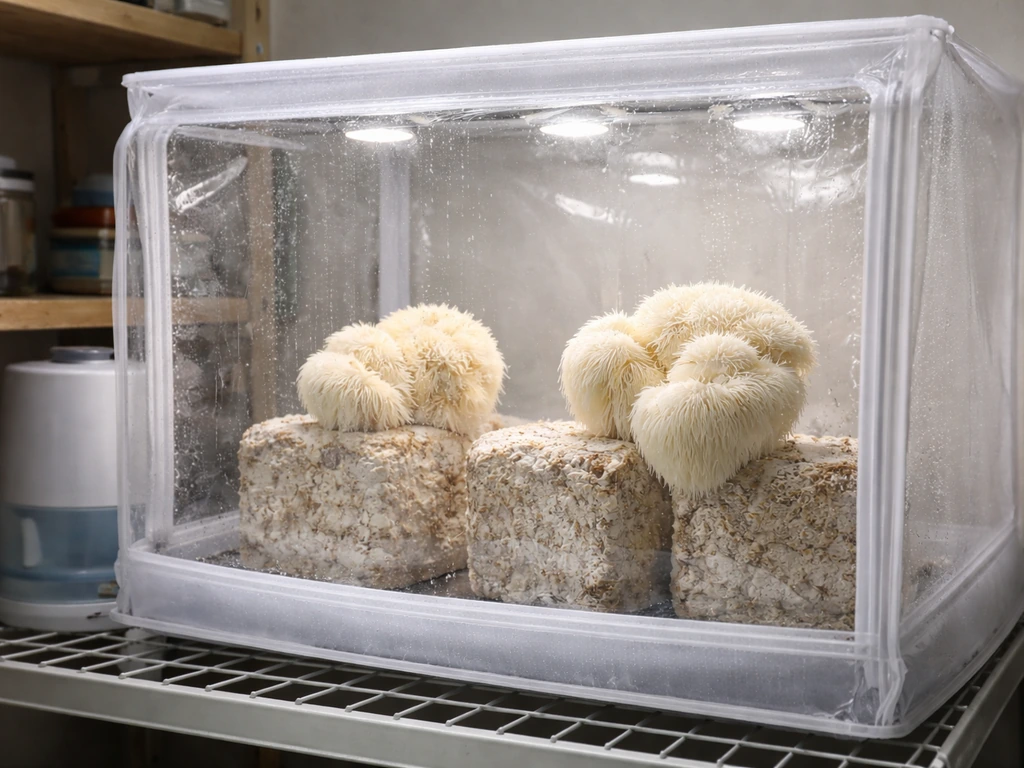
Indoors is where lion's mane reliably works across the whole of the UK, regardless of whether you're in Inverness or Brighton. You control the temperature, humidity, and air exchange, which means you're not gambling on a mild October. Most UK growers do this with a grow bag, a fruiting chamber of some kind (even a converted plastic storage box), and a small humidifier. It's genuinely achievable in a spare room, a garage, or even a large wardrobe, as long as the space can hold the right conditions.
Sourcing spawn and UK-friendly cultivation methods
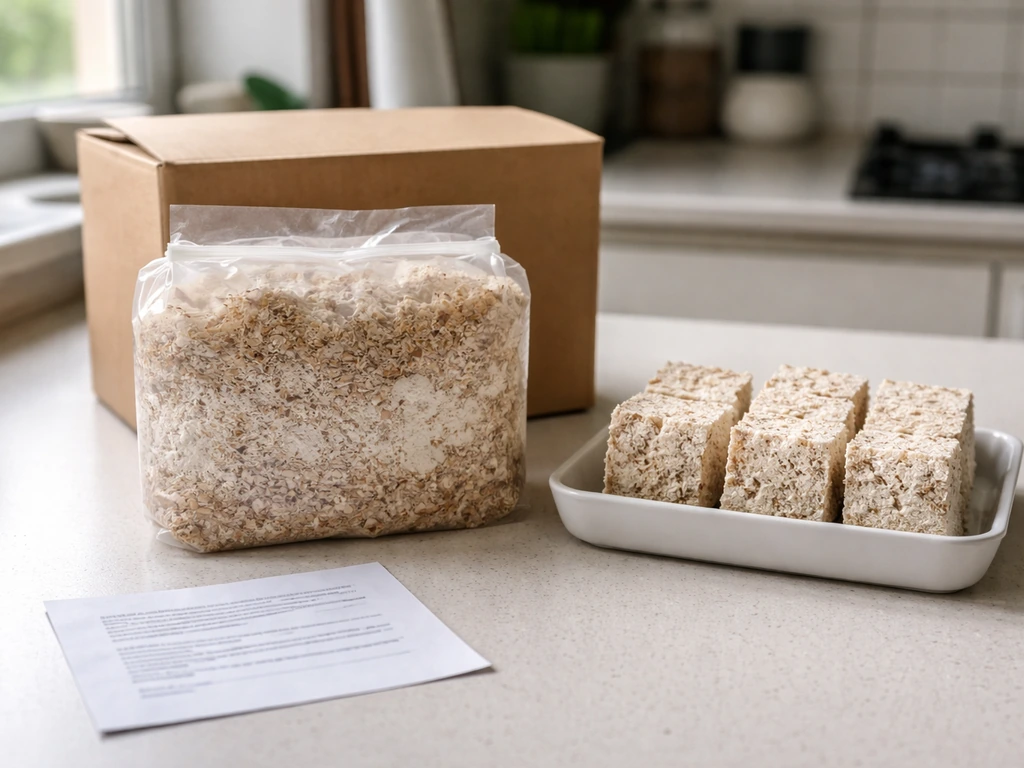
UK suppliers do sell lion's mane spawn and ready-to-fruit kits. Marvellous Mushrooms is one example offering grow kits with instructions and support, which significantly lowers the barrier for first-timers. MushroomBox and MycoCultures are also worth looking at for substrate kits. If you want to go further and inoculate your own substrate, grain spawn or plug spawn for logs is available from a handful of UK mushroom suppliers; search specifically for UK lion's mane spawn rather than buying from US sellers who ship internationally, since import restrictions and transit time can reduce viability.
There are three main methods UK growers use, each with different effort levels and timelines.
| Method | Effort | Time to first harvest | Best for |
|---|---|---|---|
| Ready-made grow kit | Low | 4–6 weeks | Beginners, indoor growers |
| Bulk substrate grow bag (hardwood sawdust + bran) | Medium | 8–14 weeks | Those wanting bigger yields |
| Inoculated hardwood log (outdoor or indoor) | Medium–High | 6–18 months | Patient growers with outdoor space |
For most UK readers, starting with a ready-colonised kit is the honest recommendation. You skip the inoculation and colonisation phase entirely, and you start learning fruiting conditions straight away without risking contamination on an expensive substrate. Once you've seen the mushroom fruit and understand what the conditions should look like, then scaling up to a bulk grow bag makes sense.
Getting the conditions right: temperature, humidity, air, and light
Lion's mane is fussier than oyster mushrooms but not impossible once you understand what it wants. There are two distinct phases: colonisation and fruiting, and each has different requirements.
Colonisation (incubation)
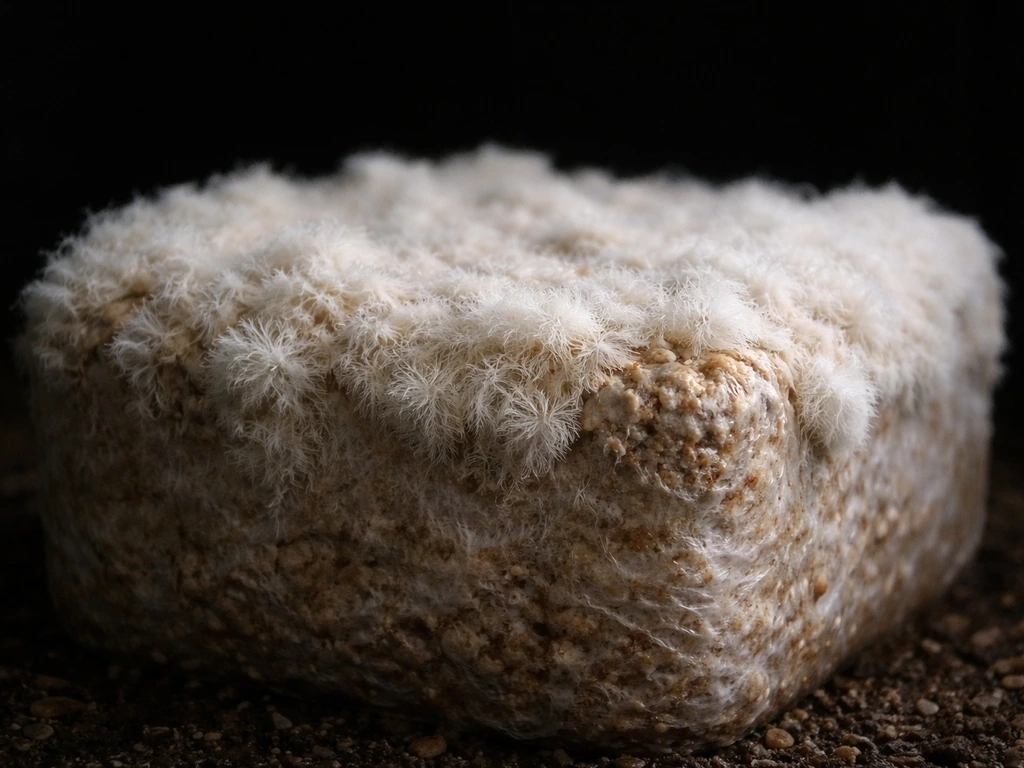
During colonisation, keep the inoculated substrate in the dark at 18 to 25°C. Lion's mane mycelium is white and fluffy and will look alarming if you've only grown oysters before, but that's normal. Don't open the bag at this stage. A spare bedroom in summer works well; in winter, you may need a heat mat or a warm airing cupboard to stay in range.
Fruiting
Fruiting is triggered by a combination of things happening at once: a slight temperature drop to around 15 to 20°C, high relative humidity of 85 to 95%, increased fresh air exchange to lower CO₂ levels, and indirect ambient light. In practice, this means opening or cutting your bag and moving it somewhere with more airflow and cooler temperatures, while misting the surrounding air (not the mushroom itself) two to three times a day. A small humidifier on a timer is the most reliable way to maintain that humidity window consistently. Lion's mane is particularly sensitive to drying out, more so than most gourmet mushrooms, so letting the humidity drop below 80% for long periods will stall pinning.
- Colonisation temperature: 18–25°C
- Fruiting temperature: 15–20°C (a slight drop triggers pinning)
- Humidity during fruiting: 85–95% RH
- Fresh air: crucial — low CO₂ triggers fruiting; stale air causes abnormal growth
- Light: indirect, ambient natural light or a basic grow light on a 12-hour cycle; just enough to give directional cues
- Do not mist directly onto the forming teeth or pins — mist the air and walls around the mushroom
When to expect your first harvest and what yields to look like
With a ready-colonised kit, pins typically appear within one to three weeks of moving to fruiting conditions, and the first flush is ready to harvest in another one to two weeks after that. You're looking at a combined four to six weeks from opening the box to picking your first mushroom. Harvest when the spines (the dangling teeth) are around 1 to 2 cm long and the overall fruiting body is still white or very pale cream. Once it starts yellowing or going orange at the tips, it's overripe and will taste bitter.
Yield from a single kit (typically a 1 to 1.5 kg block) usually runs to 100 to 250g on the first flush, sometimes more if conditions are good. A second flush is possible after a rest period of one to two weeks with reduced misting, but yields on subsequent flushes drop noticeably. From a bulk grow bag that you've prepared yourself, first flush yields of 200 to 400g from a 2 kg block are achievable. Log-based systems outdoors are harder to predict, but a well-colonised beech log can produce small to medium fruiting bodies of 100 to 300g per flush across multiple seasons if managed well.
Common problems and how to troubleshoot them
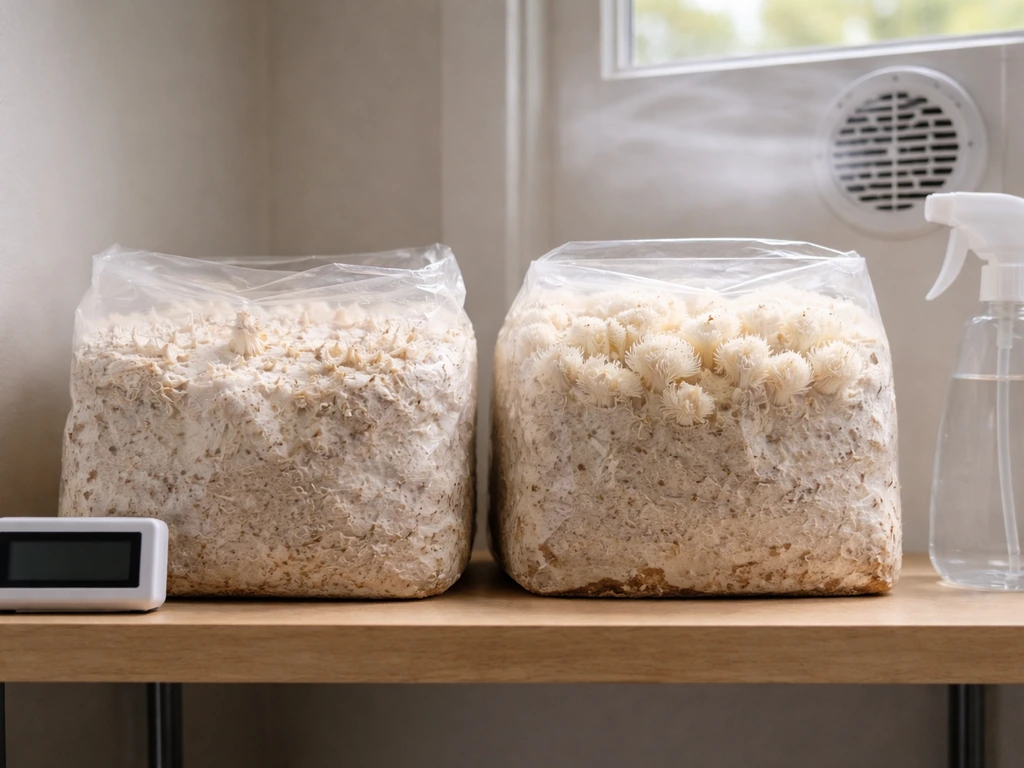
Lion's mane has a reputation for being slightly temperamental, and most problems trace back to one of a handful of causes.
| Problem | Likely cause | What to do |
|---|---|---|
| Pins stalling or not forming | CO₂ too high / humidity too low | Increase fresh air exchanges; check humidity with a hygrometer and adjust misting |
| Mushroom turns yellow or orange early | Too warm, overripe, or bruised | Lower temperature to 15–18°C; harvest sooner next flush |
| Fuzzy or elongated growth instead of normal teeth | Excess CO₂, not enough fresh air | Improve ventilation; fan for 30 seconds several times a day if no passive airflow |
| Fruiting before full colonisation | Incubation temperature too low or inconsistent | Move to warmer, stable spot and let mycelium catch up before fruiting conditions |
| Green or black patches on substrate | Trichoderma or other mould contamination | Isolate immediately; do not open near other growing substrates |
| Block drying out | Humidity too low or bag opened too much | Maintain high RH; cover loosely to retain moisture while allowing some air exchange |
| Bitter taste at harvest | Harvested too late (yellowing already started) | Pick earlier next flush — when teeth are 1 cm, not waiting for full size |
The most common issue in UK conditions is actually temperature creep during summer. A warm room in July can push above 24°C, which discourages fruiting and can cause the mushroom to yellow prematurely. If you're growing in summer, moving the fruiting block to the coolest room in the house, or even a cool shaded outbuilding overnight, can make a real difference. Winter growing is often easier in this respect because ambient temperatures naturally sit in the ideal fruiting range.
Foraging vs cultivation: what you need to know legally and safely
Hericium erinaceus is legally protected in Great Britain under Schedule 8 of the Wildlife and Countryside Act 1981. That means it is an offence to intentionally pick, uproot, or destroy a wild specimen. Kew Grow Wild highlights that organisations supply spawn for cultivation, but also notes that Hericium erinaceus is protected, so you should avoid any wild collection or propagation without proper compliance [protected in Great Britain under Schedule 8 of the Wildlife and Countryside Act 1981](https://growwild. kew.
org/sites/growwild/files/2025-09/16380-Grow-Wild-Guide_ACCESSIBLE. pdf). This is not a grey area or a technicality; it applies directly and meaningfully to any wild lion's mane you might come across in places like the New Forest. Reporting a sighting to a local fungal recording group or through the NBN Atlas is exactly the right response.
Picking it is not.
Beyond legality, foraging for lion's mane in the UK is impractical for most people. It genuinely is very rare in the wild, fruiting bodies can appear high on trunks where old branches have broken, and the season is short and unpredictable. Even experienced mycologists in known sites have long gaps between encounters. The Food Standards Agency also advises never eating wild mushrooms unless you are completely certain of your identification, and while lion's mane has a distinctive appearance, a cautious approach always applies to any wild fungi. If you're not expert-level confident, the risk of misidentification with other species or confusion with degraded or diseased specimens is real enough to take seriously.
Cultivated lion's mane sidesteps all of this. You know exactly what you're growing, the substrate is controlled, and there's no legal issue whatsoever. Buying a grow kit or cultivated fresh lion's mane from a UK supplier is both legal and far more reliable than any foraging attempt. It's worth noting that other medicinal fungi like reishi and chaga sit in a similar position in the UK, where wild occurrence is rare or very localised, and cultivation or buying from reputable sources is the sensible route for most people. Like chaga, it is best sourced through cultivation or reputable suppliers in the UK since wild occurrence can be rare and localised.
Your practical next steps for this season
We're currently in late June 2026, which means you're heading into summer. This is actually a reasonable time to start if you can keep your fruiting space cool, or an excellent time to start colonising a substrate now so it's ready to fruit in September and October when ambient temperatures naturally drop into the ideal 15 to 20°C fruiting range. If you're wondering about another unusual edible, can you grow chayote in the UK, too, it's best to focus on the climate and growing method from the start.
- Order a lion's mane grow kit from a UK supplier (Marvellous Mushrooms, MushroomBox, or MycoCultures are starting points). If you want to grow from scratch, source grain spawn and hardwood sawdust substrate separately.
- Set up a fruiting space: a plastic storage box with holes drilled in the lid, a small USB humidifier, and a hygrometer costs under £30 total and is genuinely all you need to start.
- If starting a kit now in summer, find the coolest room or outbuilding you have and monitor temperature closely. Above 22°C in the fruiting phase will cause problems.
- Keep a simple grow journal: note when pins appear, what the temperature and humidity were, and when you harvested. This makes troubleshooting much easier on your second flush.
- If you want to try outdoor logs, inoculate a freshly cut beech or oak log with plug spawn this summer and keep it moist and shaded. Don't expect fruiting until autumn 2027 at the earliest, but you'll have a long-term, rewarding project running alongside your indoor grows.
Lion's mane is genuinely one of the most satisfying mushrooms to grow at home in the UK. The flavour (sweet, seafood-like, lobster-ish when cooked in butter) is genuinely unlike anything you'll buy in a supermarket, and the health interest around it only adds to the appeal. Get the conditions right and it will reward you reliably, season after season. If you're also curious about reishi, you may be wondering does reishi grow in the UK and what conditions it needs to fruit there does reishi grow in UK.
FAQ
If I find lion’s mane growing outdoors, can I take a small piece to try it?
No. In Great Britain it is legally protected, so picking or destroying a wild specimen is an offence. If you spot it, record the location and notify a local fungal recording group or log it through the proper national recording route.
What temperature is “too hot” for fruiting in the UK summer?
When your fruiting area creeps above roughly 24°C, lion’s mane may stall or yellow prematurely. If you notice tips browning or overall colour shifting while you still expect pins, move the block to the coolest room and increase fresh air exchange rather than adding more mist alone.
Does lion’s mane need light during fruiting, or can I grow it in a dark wardrobe?
It does not need bright light, but it does benefit from indirect ambient light during fruiting, which helps guide normal development. A dark setup often works if the cycle still includes temperature drop, high humidity, and regular fresh air, but most people get more consistent pinning with a windowed or lit room.
Should I mist the mushrooms directly, or the growing bag area?
Mist the air around the bag or chamber, not the mushroom itself. Direct spraying can encourage surface issues and uneven moisture, and it also defeats the goal of maintaining stable humidity between misting cycles.
How do I know if a block is contaminated during colonisation?
During colonisation it should look like clean, white, fluffy mycelium. If you see strong off colours (especially green, black, or wet patchy areas), a foul smell, or dry cracked surfaces that never knit, stop the process and dispose safely rather than trying to “rescue” it, since contamination can spread to your other grows.
Can I reuse substrate from a kit for another round?
Generally no. The kit substrate has already been colonised and typically loses performance after the flushes. You can sometimes get a second flush with the same block using a rest period, but re-inoculating old kit substrate usually produces poor, unpredictable results.
Is it safe to eat lion’s mane grown at home, or should I have it tested?
Cultivated lion’s mane from a reputable kit is typically intended for consumption when it is harvested at the correct pale stage. However, if you have any doubt about identification, contamination, or off smells, do not eat it. When learning, the safest approach is to follow the supplier’s harvest timing and colour cues closely.
What should I do if pins appear but never develop into full spines?
The most common cause is humidity dropping below the useful range or fresh air exchange being too low. Check that your humidity stays roughly 85 to 95% during fruiting, and make sure CO₂ is being diluted with regular airflow, then keep temperature in the 15 to 20°C band.
How long should I keep a block fruiting before I retire it?
Most UK home grows get their best yields on the first flush, with diminishing returns on subsequent flushes. If you get no new pinning after a rest period and the block looks exhausted or fails to bounce back, it is usually time to retire it and start fresh rather than extending indefinitely.
Can I grow lion’s mane outside in Scotland or northern England if I protect it?
Even with shelter, outdoor logs are still more weather-dependent than indoor fruiting. Harsh frosts can halt or kill colonisation, so the practical approach is either a sheltered, shaded outdoor log setup with realistic long timelines, or moving inoculated material indoors when temperatures fall.
Should I buy spawn from a UK supplier, or is US spawn fine?
UK suppliers are usually easier because shipping conditions affect viability and import or transit delays can increase risk. If you do buy internationally, ensure cold chain is maintained during transit, and plan for a trial run on a small batch first.
Next Article
Does Chamomile Grow in the UK? How to Grow It Successfully
Get a UK-specific yes or no on growing chamomile, plus steps for soil, sowing, care, winter survival, and harvesting tea